Welcome to MITR Hospital
Foods That Increase the Risk of Kidney Stones
Kidney stones are a common urological condition that can cause severe pain, urinary problems, and, in some cases, serious complications if left untreated. While genetics, medical conditions, and lifestyle factors can contribute to stone formation, diet plays a significant role in determining an individual's risk.
Many people are surprised to learn that certain everyday foods and beverages can increase the likelihood of developing kidney stones. Understanding which foods may contribute to stone formation can help you make informed dietary choices and reduce the chances of recurrence.
At MITR Urology Associates, patients receive comprehensive kidney stone care, including advanced diagnosis, preventive guidance, and minimally invasive treatments such as kidney stone laser surgery when necessary.
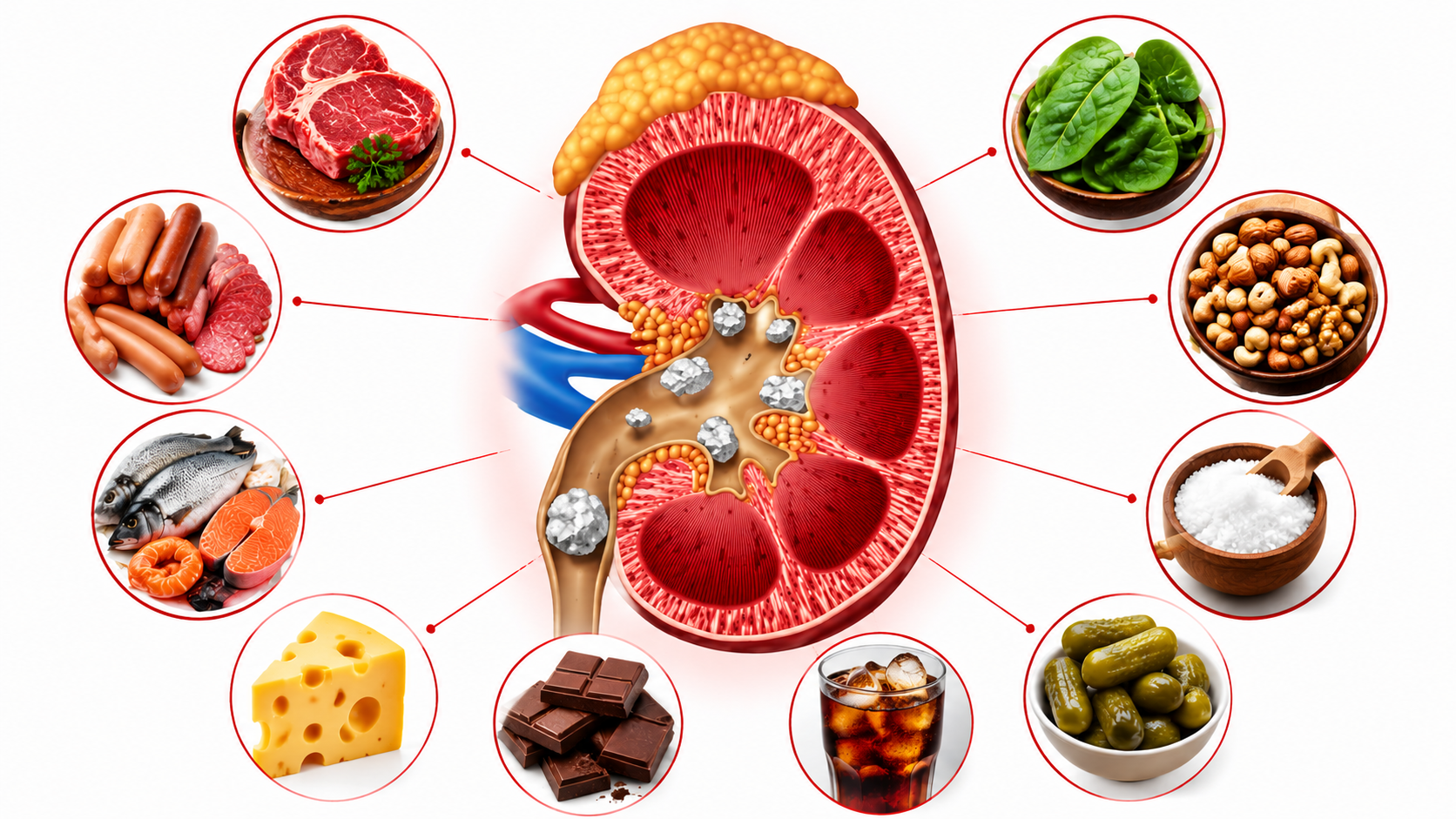
What Are Kidney Stones?
Kidney stones are hard deposits of minerals and salts that form inside the kidneys when urine becomes concentrated. These crystals gradually stick together and grow into stones of varying sizes.
The most common types of kidney stones include:
- Calcium oxalate stones
- Calcium phosphate stones
- Uric acid stones
- Struvite stones
- Cystine stones
Among these, calcium oxalate stones are the most frequently diagnosed. While not all kidney stones can be prevented, dietary modifications can significantly reduce the risk of developing them.
How Does Diet Affect Kidney Stone Formation?
The foods and beverages we consume influence the concentration of minerals, salts, and waste products in urine. When certain substances become excessively concentrated, crystals can form and eventually develop into kidney stones.
Poor Hydration
Insufficient water intake concentrates minerals in the urine, significantly increasing the likelihood of crystal and stone formation.
Excessive Salt Intake
High sodium causes the kidneys to excrete more calcium into the urine, raising the risk of calcium-based stone formation.
Stone-Forming Compounds in Diet
Diets rich in oxalates, purines, and excess animal protein supply the raw materials that crystals need to form and grow into stones.
Foods That May Increase the Risk of Kidney Stones
1. High-Sodium Foods
Excess salt is one of the most important dietary factors associated with kidney stone formation. A high-sodium diet causes the kidneys to excrete more calcium into the urine, increasing the likelihood of calcium stone formation.
Common high-sodium foods include:
- Packaged snacks and chips (namkeen)
- Instant noodles and processed foods
- Fast food and restaurant meals
- Pickles and processed meats
- Frozen meals and canned soups
Reducing salt intake is often one of the first recommendations given to patients with recurrent kidney stones.
2. Processed and Fast Foods
Fast foods are high in sodium, unhealthy fats, preservatives, and refined carbohydrates. Regular consumption may contribute to dehydration and increase stone-forming risk factors.
Examples include:
- Burgers and pizza
- French fries and fried snacks
- Processed sandwiches
3. Foods High in Oxalates
Oxalates are naturally occurring compounds found in many foods. When oxalates combine with calcium in urine, calcium oxalate stones may form.
Foods high in oxalates include:
- Spinach and beetroot
- Chocolate and nuts
- Sweet potatoes and rhubarb
- Tea and soy products
This does not mean these foods must be completely avoided. However, individuals prone to calcium oxalate stones may need to consume them in moderation under medical guidance.
4. Excess Animal Protein
Diets rich in animal protein can increase the risk of certain types of kidney stones. Excessive intake may:
- Increase uric acid levels
- Reduce urinary citrate
- Increase calcium excretion
- Make urine more acidic
Foods that may contribute include:
- Red meat and organ meats
- Mutton and processed meats
- Excessive poultry intake
5. Sugary Beverages
Sugary drinks are associated with an increased risk of kidney stone formation. Many contain large amounts of fructose, which can increase urinary calcium, oxalate, and uric acid levels.
Avoid or limit:
- Soft drinks and cola beverages
- Energy drinks
- Sweetened fruit juices and packaged beverages
Replacing sugary drinks with water is one of the simplest ways to reduce stone risk.
6. Excess Sugar Intake
High sugar consumption may contribute to metabolic changes that increase stone formation.
Foods high in added sugar include:
- Cakes, pastries, and candy
- Cookies and sweet desserts
- Sweetened breakfast cereals
7. Excessive Vitamin C Supplements
Vitamin C is essential for health, but excessive supplementation may increase oxalate production in some individuals. Large doses of vitamin C supplements may contribute to calcium oxalate stone formation. Patients with a history of recurrent kidney stones should consult their doctor before taking high-dose supplements.
8. High-Purine Foods
Purines break down into uric acid in the body. High levels of uric acid can contribute to uric acid stone formation.
Foods rich in purines include:
- Organ meats and red meat
- Sardines, anchovies, and shellfish
- Certain seafood
Patients with uric acid stones are often advised to limit these foods.
9. Excessive Caffeinated and Dehydrating Beverages
Moderate caffeine consumption is generally safe, but excessive intake combined with inadequate water consumption can contribute to dehydration.
- Excessive coffee and strong tea
- Energy drinks
Maintaining adequate hydration is essential regardless of caffeine intake.
Foods That May Help Reduce Kidney Stone Risk
A kidney-friendly diet should include the following:
Plenty of Water
Adequate hydration is the single most effective strategy for preventing kidney stones. Aim to produce clear or pale-yellow urine throughout the day.
Citrus Fruits
Lemon, orange, and sweet lime contain citrate, a natural substance that inhibits stone formation. Fresh lemon water is often recommended as part of a prevention plan.
Fruits & Vegetables
Cucumbers, watermelon, papaya, apples, pears, and cabbage support healthy urine chemistry and may reduce stone risk.
Adequate Dietary Calcium
Milk, curd, yogurt, and cheese (in moderation) provide dietary calcium that may help reduce oxalate absorption and lower stone risk. Do not restrict calcium without medical advice.
Whole Grains & Fibre
Brown rice, oats, and whole-wheat options help maintain metabolic balance and reduce stone-forming risk factors over time.
Lifestyle Habits That Increase Kidney Stone Risk
Apart from diet, several habits can increase the likelihood of stone formation:
Insufficient Water Intake
Not drinking enough fluids is the single most common modifiable risk factor for kidney stone disease.
Sedentary Lifestyle
Lack of physical activity and obesity are associated with increased stone formation risk.
Excessive Alcohol Consumption
Alcohol promotes dehydration and can raise uric acid levels, contributing to stone formation.
Delaying Urination
Frequently holding urine for extended periods increases mineral concentration and stone risk.
When Should You Consult a Kidney Stone Specialist?
You should seek medical evaluation if you experience:
Warning Signs
-
Severe back or side pain
-
Blood in urine
-
Burning urination
-
Recurrent urinary infections
Additional Indicators
-
Difficulty passing urine
-
Previous history of kidney stones
-
Fever with urinary symptoms
-
Nausea and vomiting with back pain
Early diagnosis can prevent complications and allow timely treatment. A kidney stone specialist in Kharghar can assess your condition, identify risk factors, and recommend personalized prevention and treatment strategies.
Advanced Treatment Options for Kidney Stones
While dietary changes can help prevent stones, some stones require medical intervention. Modern treatment options include:
Medical Management
Medications and increased fluid intake may help small stones pass naturally. Preventive medicines can also reduce the risk of recurrence.
Ureteroscopy (URSL)
A thin scope is passed through the urinary tract to break and remove ureteric stones using laser energy with minimal trauma.
RIRS (Retrograde Intrarenal Surgery)
A flexible scope with laser technology reaches deep inside the kidney to treat stones without any external incision. Learn more about RIRS vs PCNL.
PCNL (Percutaneous Nephrolithotomy)
The gold standard for large kidney stones, PCNL uses a small incision to access the kidney directly and remove large stone burdens effectively.
Kidney Stone Laser Surgery
One of the most advanced and minimally invasive options, laser surgery uses high-energy laser beams to break stones into tiny fragments — less pain, faster recovery, excellent success rates.
Why Choose MITR Urology Associates?
MITR Urology Associates provides comprehensive care for patients with kidney stones, from prevention and diagnosis to advanced minimally invasive treatment. The focus is not only on removing stones but also on helping patients reduce the risk of recurrence through long-term management.
Experienced Urology Specialists
Expert urologists with extensive experience in kidney stone management, from dietary counselling to advanced surgical care.
Advanced Kidney Stone Laser Surgery
State-of-the-art laser technology for safe, precise, and minimally invasive kidney and ureteric stone treatment.
Personalized Treatment Plans
Every patient receives a customized plan tailored to stone type, size, diet, and lifestyle — not a one-size-fits-all approach.
Comprehensive Stone Prevention Guidance
Detailed dietary and lifestyle counselling to reduce the risk of recurrence and protect long-term kidney health.
Convenient Access
Serving patients across:
- Navi Mumbai
- Kharghar
- Mumbai
- Panvel and nearby areas
Frequently Asked Questions
High-sodium foods and sugary beverages are among the most harmful. They raise urinary calcium and uric acid levels, significantly increasing stone formation risk.
Spinach is high in oxalates and should be consumed in moderation by patients prone to calcium oxalate stones. Total avoidance is not always necessary; consult your urologist for personalised advice.
No. Dietary calcium from milk and dairy actually helps reduce oxalate absorption in the gut and may lower stone risk. Calcium supplements, however, may carry a higher risk when taken without food.
Most adults should aim to drink 2.5–3 litres of water per day. A practical guide is to ensure your urine remains pale yellow or clear throughout the day.
Diet plays a major role in prevention, especially for recurrent stones. However, some patients may also need medical therapy. Consult a kidney stone specialist for a comprehensive, personalised prevention plan.
Yes. Lemon juice is rich in citrate, which inhibits calcium oxalate crystal formation. Drinking diluted lemon water daily is commonly recommended as part of a kidney stone prevention plan.
Conclusion
Diet plays a major role in kidney stone formation, and certain foods can significantly increase the risk of developing stones. High-sodium foods, excessive animal protein, sugary beverages, processed foods, and oxalate-rich foods are among the most common dietary contributors.
Making healthy food choices, staying hydrated, and seeking timely medical advice can help prevent kidney stones and protect long-term kidney health. For individuals experiencing symptoms or recurrent stone disease, consultation with an experienced kidney stone specialist is essential to determine the most effective prevention and treatment strategy.
Consult the urology team at MITR Urology Associates for expert dietary guidance, comprehensive kidney stone evaluation, and advanced minimally invasive treatment.
Copyright © All Rights Reserved, By MITR Urology Associates