Welcome to MITR Hospital
When Should You See a Urologist? Warning Signs You Shouldn't Ignore
Many people are unsure about when they should consult a urologist. Some ignore symptoms, assuming they are temporary or simply a part of aging, while others delay seeking medical care out of embarrassment. However, early evaluation by a urologist can help diagnose urinary and reproductive health conditions before they become more serious.
A urologist specializes in diagnosing and treating disorders affecting the kidneys, ureters, bladder, urethra, prostate, and male reproductive system. Whether you're experiencing persistent urinary symptoms, kidney stones, prostate issues, or blood in your urine, timely consultation can make a significant difference in your treatment outcomes.
This guide explains the warning signs that should never be ignored and when it's time to schedule an appointment with a urologist.
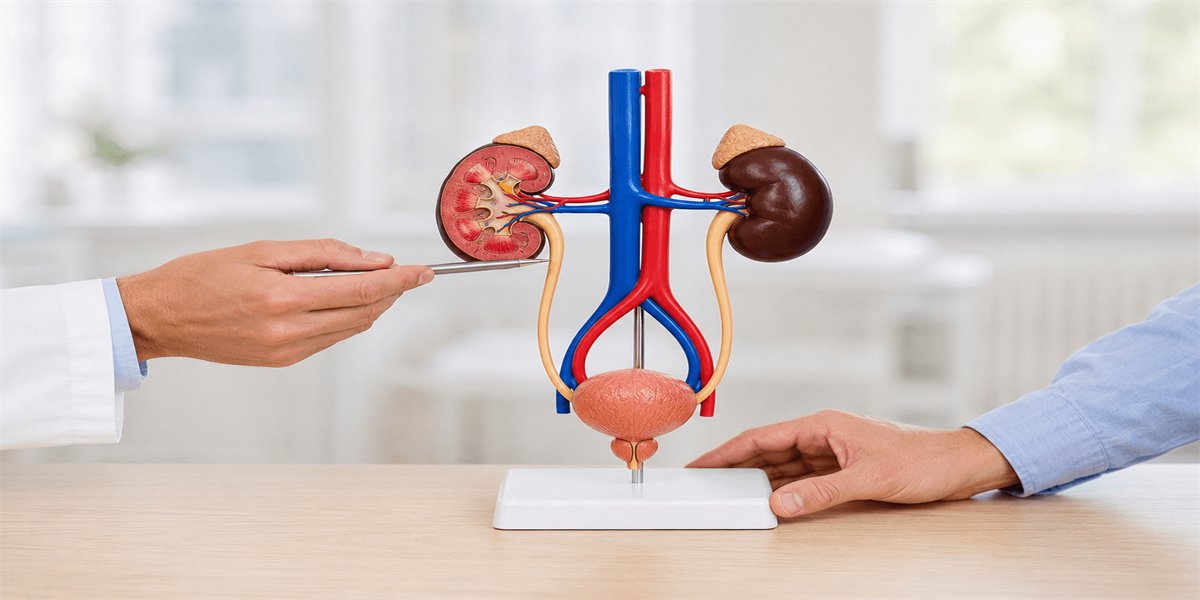
What Does a Urologist Treat?
A urologist diagnoses and manages a wide range of conditions, including:
- Kidney stones
- Urinary tract infections (UTIs)
- Enlarged prostate (BPH)
- Blood in the urine (hematuria)
- Bladder disorders
- Kidney, bladder, and prostate cancers
- Male infertility
- Erectile dysfunction
- Urinary incontinence
- Overactive bladder
- Urinary obstruction
- Testicular conditions
If your symptoms involve the urinary tract or male reproductive organs, a urologist is the appropriate specialist to consult.
Warning Signs You Shouldn't Ignore
1. Blood in Your Urine
One of the most important reasons to see a urologist is if you notice blood in your urine.
The blood may appear:
- Pink
- Red
- Brown
- Visible only on a urine test
Although blood in the urine may be caused by a urinary tract infection or kidney stones, it can also be an early sign of bladder or kidney cancer.
Even if it happens only once, medical evaluation is essential.
2. Frequent or Painful Urination
If you frequently experience:
- Burning during urination
- Pain while passing urine
- Frequent urges to urinate
- Difficulty holding urine
You may have:
- Urinary tract infection
- Bladder disorder
- Prostate enlargement
- Kidney stones
Persistent symptoms should always be evaluated.
3. Difficulty Passing Urine
Difficulty starting urination, a weak urine stream, or straining while urinating may indicate:
- Enlarged prostate
- Urethral stricture
- Bladder outlet obstruction
Delaying treatment may increase the risk of urinary retention and bladder damage.
4. Frequent Urination at Night
Waking up multiple times every night to urinate is known as nocturia.
This symptom is commonly associated with:
- Enlarged prostate
- Diabetes
- Overactive bladder
- Certain kidney conditions
A proper evaluation helps identify the underlying cause.
5. Severe Back or Side Pain
Sharp pain in the back or side, especially when accompanied by nausea or blood in the urine, may be caused by kidney stones.
Kidney stones often require prompt diagnosis and, in some cases, minimally invasive treatment.
6. Recurrent Urinary Tract Infections
Occasional urinary tract infections are common, but repeated infections may indicate:
- Kidney stones
- Enlarged prostate
- Bladder dysfunction
- Structural abnormalities of the urinary tract
Identifying the underlying cause helps prevent future infections.
7. Loss of Bladder Control
Accidental urine leakage or difficulty controlling urination may result from:
- Overactive bladder
- Weak pelvic floor muscles
- Neurological disorders
- Prostate conditions
Many effective treatments are available, and patients should not hesitate to seek medical advice.
8. Erectile Dysfunction
Persistent difficulty achieving or maintaining an erection may be linked to:
- Diabetes
- High blood pressure
- Hormonal imbalance
- Poor blood circulation
- Stress and anxiety
A urologist can identify the cause and recommend appropriate treatment.
9. Male Infertility
If a couple has been unable to conceive despite regular unprotected intercourse for one year (or six months if the female partner is over 35), male fertility evaluation may be recommended.
Common causes include:
- Low sperm count
- Varicocele
- Hormonal disorders
- Blockages
- Genetic conditions
Early assessment improves treatment options.
10. Testicular Pain or Swelling
Pain, swelling, or a lump in the testicle should never be ignored.
Possible causes include:
- Infection
- Testicular torsion
- Hydrocele
- Varicocele
- Testicular cancer
Sudden severe testicular pain is a medical emergency and requires immediate treatment.
11. Persistent Pelvic or Lower Abdominal Pain
Ongoing discomfort in the pelvic region may be associated with:
- Chronic prostatitis
- Bladder disorders
- Urinary tract conditions
- Kidney stones
A detailed evaluation can help determine the cause.
Conditions That Require Prompt Urological Evaluation
Seek medical attention without delay if you experience:
- Visible blood in your urine
- Severe pain caused by suspected kidney stones
- Inability to pass urine
- High fever with urinary symptoms
- Persistent urinary retention
- Sudden swelling or severe pain in the testicle
These symptoms may require urgent medical treatment.
What Happens During Your First Urology Consultation?
Your first appointment usually includes:
Medical History
Your doctor will ask about:
- Current symptoms
- Medical conditions
- Medications
- Previous surgeries
- Family history
Physical Examination
A physical examination helps assess your urinary and reproductive health.
For men with prostate-related symptoms, the prostate may be examined if clinically indicated.
Diagnostic Tests
Depending on your symptoms, your urologist may recommend:
- Urine analysis
- Urine culture
- Blood tests
- PSA testing
- Ultrasound
- CT scan
- Uroflowmetry
- Cystoscopy
Not every patient requires all these investigations. Your doctor will recommend tests based on your condition.
Can Urological Conditions Be Prevented?
While not every condition can be prevented, healthy habits can reduce your risk.
Drinking Enough Water
Proper hydration helps flush out bacteria and prevents kidney stone formation.
Avoiding Smoking
Quitting smoking significantly reduces the risk of bladder and kidney cancers.
Maintaining a Healthy Weight
Weight management helps prevent prostate issues, kidney stones, and hypertension.
Managing Chronic Conditions
Keep diabetes and high blood pressure controlled to protect kidney and urinary health.
Practicing Good Hygiene
Maintain good personal hygiene to lower the risk of urinary tract infections.
Prompt UTI Treatment
Seek treatment for urinary infections promptly to avoid upper urinary tract complications.
Regular Health Check-Ups
Attend routine screenings and check-ups, especially after the age of 50.
Why Early Diagnosis Matters
Many urological conditions become easier to treat when detected early.
Prompt evaluation can help:
- Prevent kidney damage
- Reduce the risk of urinary retention
- Detect cancers at an earlier stage
- Preserve bladder and kidney function
- Improve fertility outcomes
- Enhance overall quality of life
Ignoring symptoms may delay diagnosis and lead to more complex treatment later.
Why Choose MITR Urology Associates?
MITR Urology Associates offers comprehensive diagnosis and treatment for a wide range of urological conditions.
Patients benefit from:
- Experienced urology specialists
- Advanced diagnostic facilities
- Personalized treatment plans
- Minimally invasive and robotic surgical options
- Expertise in kidney stones, prostate disorders, uro-oncology, and men's health
- Compassionate, patient-centered care with long-term follow-up
The team is committed to providing timely diagnosis and evidence-based treatment tailored to each patient's needs.
Conclusion
Many urinary and reproductive health problems begin with subtle symptoms that are easy to overlook. Blood in the urine, difficulty urinating, recurrent infections, kidney stone pain, erectile dysfunction, and persistent urinary changes should never be ignored.
Seeking timely medical advice can lead to early diagnosis, effective treatment, and better long-term health outcomes. If you're experiencing any persistent urinary or men's health symptoms, book an appointment with the experienced urology team at MITR Urology Associates for a comprehensive evaluation and personalized treatment plan.
Copyright © All Rights Reserved, By MITR Urology Associates