Welcome to MITR Hospital
Urinary Incontinence Treatment
Urinary incontinence is the involuntary leakage of urine due to loss of bladder control. It is a common condition that can affect both men and women and may range from occasional urine leakage to complete loss of bladder control. While many people consider it a normal part of aging, urinary incontinence is a treatable medical condition that should not be ignored.
At MITR Urology Associates, we provide comprehensive urinary incontinence treatment in Navi Mumbai. Our experienced urologists and reconstructive urology specialists offer advanced diagnostic evaluation and personalized treatment plans to help patients regain bladder control and improve their quality of life.
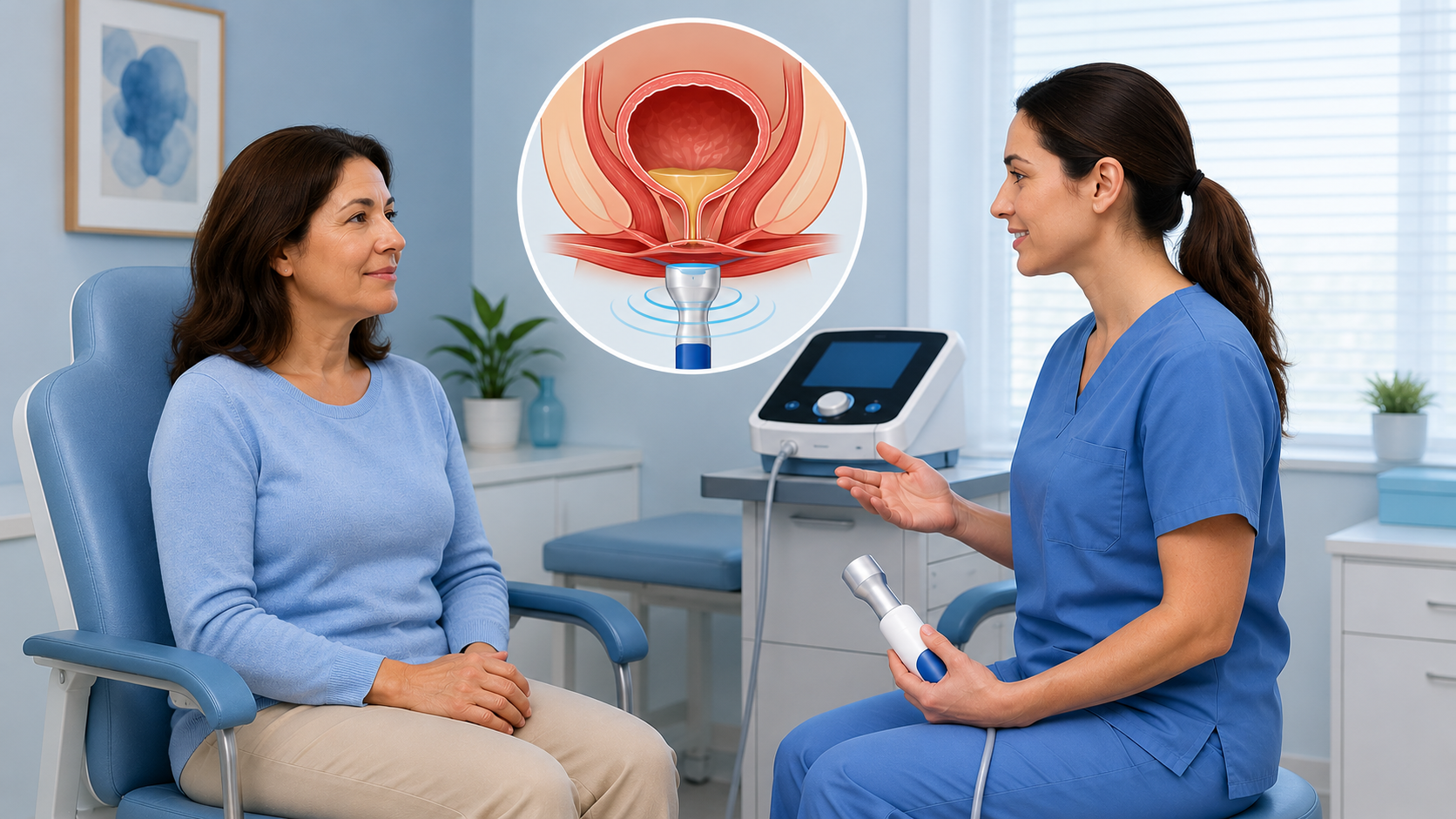
What is Urinary Incontinence?
Urinary incontinence refers to the unintentional leakage of urine due to problems affecting the bladder, urethra, pelvic floor muscles, or nervous system.
The condition can interfere with daily activities, social interactions, sleep quality, and emotional well-being. Early diagnosis and treatment can significantly improve symptoms and prevent complications.
Types of Urinary Incontinence
Understanding the type of incontinence helps determine the most appropriate treatment approach.
Stress Urinary Incontinence
Urine leakage occurs during activities that increase abdominal pressure, such as coughing, sneezing, laughing, exercising, or lifting heavy objects.
Urge Urinary Incontinence
Also known as overactive bladder, this condition causes a sudden urge to urinate, difficulty delaying urination, and leakage before reaching the toilet.
Overflow Incontinence
Occurs when the bladder does not empty completely, leading to frequent dribbling of urine, weak urine stream, and incomplete bladder emptying.
Functional Incontinence
Physical or cognitive limitations prevent timely access to a toilet.
Mixed Incontinence
A combination of stress and urge incontinence symptoms.
Symptoms of Urinary Incontinence
Symptoms vary depending on the type and severity of the condition:
- Urine Leakage: Involuntary loss of urine during daily activities.
- Frequent Urination: Needing to urinate more often than usual.
- Urinary Urgency: A sudden, strong urge to urinate.
- Nocturia: Frequent urination during the night.
- Difficulty Controlling Urination: Loss of bladder control affecting routine activities.
- Incomplete Bladder Emptying: A sensation that the bladder has not emptied completely.
What Causes Urinary Incontinence?
Several factors can contribute to urinary incontinence.
Weak Pelvic Floor Muscles
Reduced support for the bladder and urethra.
Enlarged Prostate
A common cause of urinary symptoms in men.
Overactive Bladder
Abnormal bladder muscle activity leading to urgency and leakage.
Neurological Disorders
Conditions affecting nerve signals between the brain and bladder.
Previous Pelvic Surgery
Certain surgical procedures may affect bladder control.
Urinary Tract Infections
Temporary bladder irritation may contribute to leakage.
Obesity
Excess body weight increases pressure on the bladder.
Aging
Age-related changes may increase the risk of bladder control problems.
Who is at Risk of Urinary Incontinence?
You may be at increased risk if you:
- Are over 50 years of age
- Have an enlarged prostate
- Have neurological conditions
- Have chronic cough
- Are overweight or obese
- Have diabetes
- Have undergone pelvic surgery
- Experience recurrent urinary tract infections
How is Urinary Incontinence Diagnosed?
A thorough evaluation helps identify the underlying cause of urine leakage.
Medical History Assessment
Your doctor will review urinary symptoms, medical conditions, medications, and lifestyle factors.
Physical Examination
A detailed examination helps identify contributing factors.
Urine Analysis
Testing helps detect infection, blood, or other abnormalities.
Bladder Diary
Patients may be asked to record urination patterns and leakage episodes.
Ultrasound Examination
Imaging helps assess bladder function and urine retention.
Urodynamic Study
Specialized testing evaluates bladder capacity, bladder pressure, urine flow, and bladder function.
Cystoscopy
A small camera may be used to examine the bladder and urethra.
Urinary Incontinence Treatment Options
Treatment depends on the type, severity, and underlying cause of incontinence.
Lifestyle Modifications
Simple lifestyle changes can significantly improve symptoms. Recommendations may include weight management, fluid management, reducing caffeine intake, and bladder training.
Pelvic Floor Muscle Exercises
Strengthening pelvic floor muscles may improve bladder control.
Bladder Training
Behavioral techniques help improve bladder capacity and reduce urgency.
Medical Management
Medications may help manage certain forms of urinary incontinence.
Treatment of Underlying Conditions
Managing enlarged prostate, urinary infections, bladder dysfunction, and neurological disorders can improve bladder control.
Minimally Invasive Procedures
Selected patients may benefit from advanced treatments designed to improve continence.
Reconstructive Urology Procedures
Complex or severe cases may require surgical correction to restore bladder control and urinary function.
Can Urinary Incontinence Be Cured?
Many patients achieve significant improvement or complete symptom relief with appropriate treatment.
Success depends on:
- Type of incontinence
- Underlying cause
- Severity of symptoms
- Timely diagnosis
Early intervention often leads to better outcomes.
Complications of Untreated Urinary Incontinence
Without treatment, urinary incontinence may lead to:
- Recurrent Skin Irritation: Constant moisture can affect skin health.
- Urinary Tract Infections: Frequent leakage may increase infection risk.
- Social and Emotional Impact: Many patients experience embarrassment, anxiety, or reduced confidence.
- Reduced Quality of Life: Bladder control problems can affect work, travel, and daily activities.
Why Choose MITR Urology Associates for Urinary Incontinence Treatment?
Experienced Urology Specialists
Our team has extensive experience in diagnosing and treating bladder control disorders.
Advanced Diagnostic Facilities
Modern investigations help identify the exact cause of symptoms.
Personalized Treatment Plans
Every patient receives individualized care based on their condition and goals.
Comprehensive Continence Care
We provide complete evaluation, treatment, and long-term management.
Minimally Invasive and Reconstructive Expertise
Advanced treatment options are available for both simple and complex cases.
Convenient Access
Serving patients across:
- Navi Mumbai
- Kharghar
- Ulwe
- Panvel
- Mumbai and nearby regions
Frequently Asked Questions
No. While it becomes more common with age, urinary incontinence is a treatable medical condition.
Yes. Men may experience urine leakage due to prostate problems, neurological conditions, or bladder dysfunction.
Stress and urge incontinence are among the most common forms.
A urodynamic study is a specialized test used to evaluate bladder and urinary function.
Yes. Many patients improve with lifestyle changes, exercises, bladder training, and medications.
A urologist specializing in bladder and urinary disorders treats urinary incontinence.
Book a Consultation for Urinary Incontinence Treatment
If you are experiencing urine leakage, frequent urination, urgency, or difficulty controlling your bladder, consult the specialists at MITR Urology Associates for a comprehensive evaluation.
Our experienced urology and reconstructive urology team provides advanced diagnostic services and personalized treatment plans to help restore bladder control, improve confidence, and enhance your quality of life.
Copyright © All Rights Reserved, By MITR Urology Associates