Urodynamic Study for Urine Problems
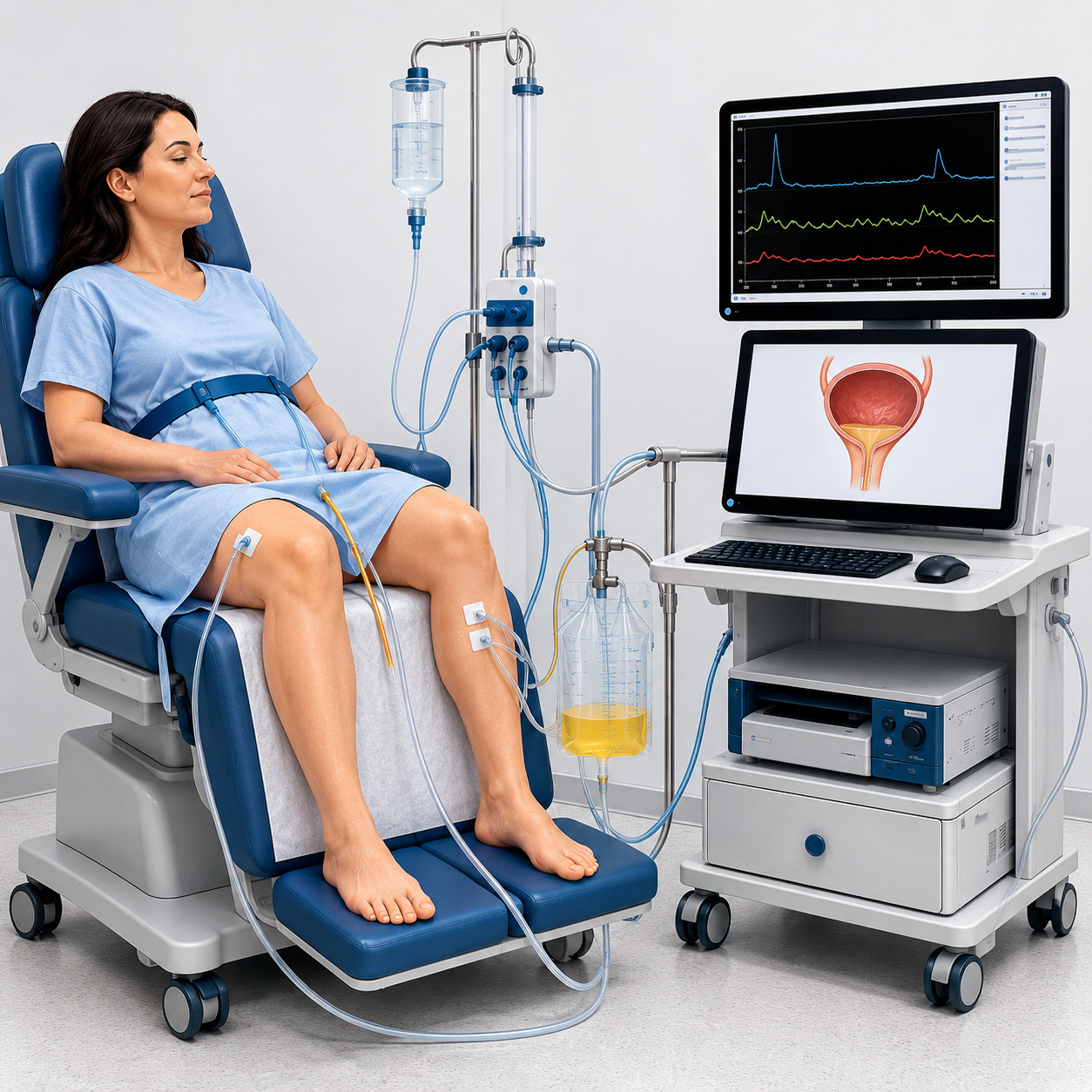
A urodynamic study is a specialized diagnostic test used to evaluate how well the bladder, urethra, and urinary sphincter store and release urine. It helps identify the underlying cause of various urinary symptoms such as urine leakage, frequent urination, difficulty emptying the bladder, weak urine flow, and overactive bladder.
At MITR Urology Associates, we offer advanced urodynamic studies in Navi Mumbai to accurately diagnose bladder and urinary function disorders and develop personalized treatment plans for long-term relief.
What is a Urodynamic Study?
A urodynamic study is a group of tests that measure the function of the lower urinary tract, including:
- Bladder capacity
- Bladder pressure
- Urine flow rate
- Bladder contractions
- Urinary sphincter function
- Ability to empty the bladder
These tests help determine how the bladder stores urine and how effectively it empties during urination.
Why is a Urodynamic Study Performed?
A urodynamic study may be recommended when patients experience persistent urinary symptoms that require detailed evaluation:
- Urinary Incontinence: Assessment of urine leakage and bladder control problems.
- Overactive Bladder: Evaluation of urgency, frequency, and urge incontinence.
- Difficulty Urinating: Investigation of weak urine stream and voiding difficulties.
- Urinary Retention: Assessment of incomplete bladder emptying.
- Frequent Urination: Evaluation of abnormal urinary patterns.
- Neurogenic Bladder: Diagnosis of bladder dysfunction caused by neurological conditions.
- Recurrent Urinary Problems: Investigation of chronic urinary symptoms that do not respond to standard treatment.
Symptoms That May Require a Urodynamic Study
Your urologist may recommend testing if you experience:
- Urine Leakage: Loss of bladder control during daily activities.
- Frequent Urination: Needing to urinate unusually often.
- Sudden Urgency: Strong and uncontrollable urge to urinate.
- Weak Urine Flow: Reduced force of urination.
- Difficulty Emptying the Bladder: Feeling that the bladder is not completely empty.
- Interrupted Urine Stream: Urine flow that starts and stops repeatedly.
- Recurrent Urinary Tract Infections: Repeated infections associated with bladder dysfunction.
Conditions Diagnosed with a Urodynamic Study
A urodynamic evaluation can help diagnose:
- Urinary Incontinence: Stress urinary incontinence, urge incontinence, and mixed incontinence.
- Overactive Bladder: Abnormal bladder contractions causing urgency and frequency.
- Neurogenic Bladder: Bladder dysfunction related to nerve disorders.
- Bladder Outlet Obstruction: Blockage affecting normal urine flow.
- Urinary Retention: Difficulty completely emptying the bladder.
- Dysfunctional Voiding: Abnormal coordination between bladder and urinary sphincter muscles.
- Post-Prostate Surgery Urinary Problems: Assessment of urinary symptoms following prostate procedures.
Types of Urodynamic Tests
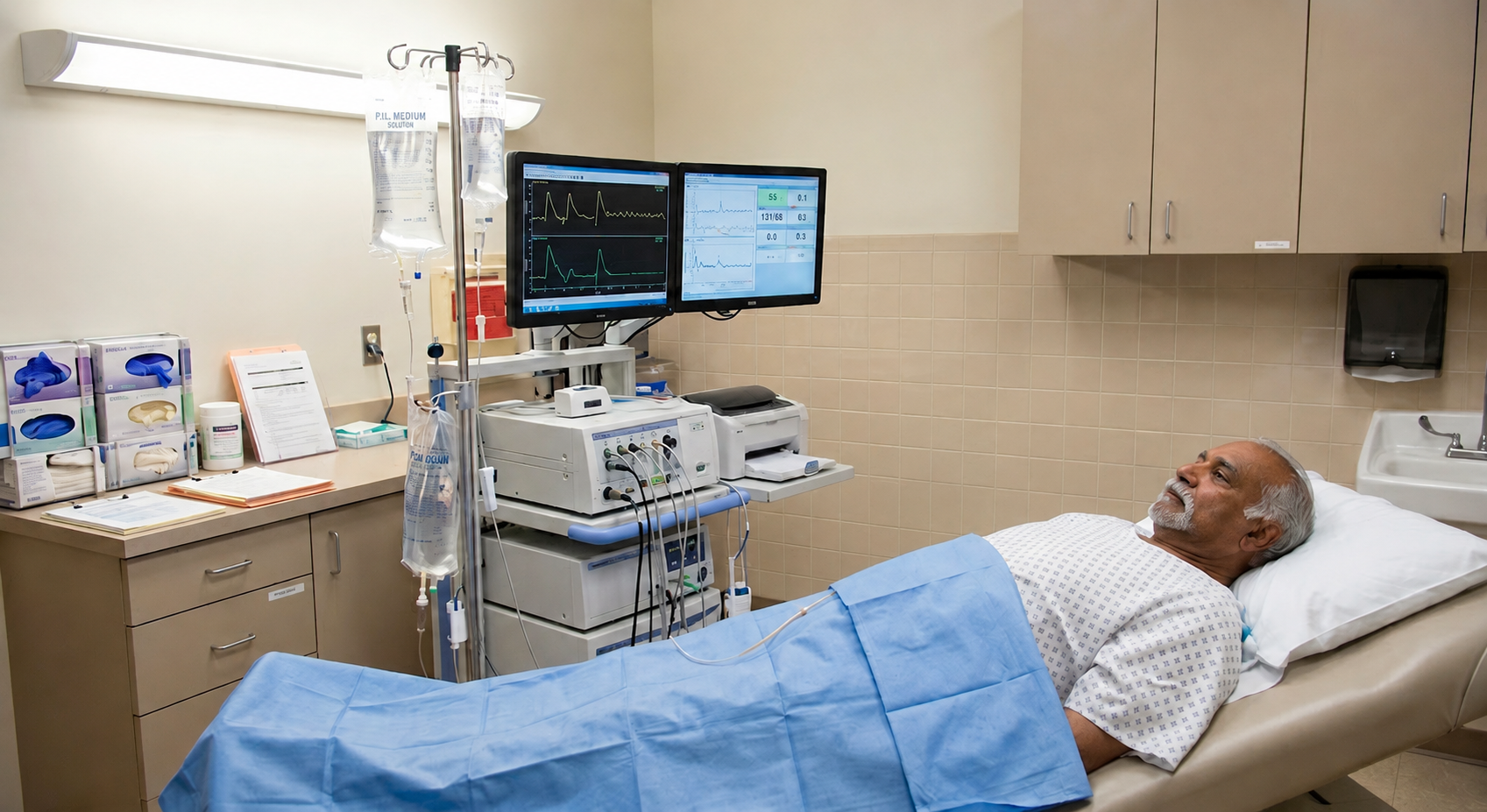
A complete urodynamic evaluation may include one or more tests:
Uroflowmetry
Measures the speed of urine flow, volume of urine passed, and urination pattern. This test helps identify urinary obstruction or weak bladder function.
Post-Void Residual (PVR) Measurement
Measures the amount of urine remaining in the bladder after urination. A significant residual volume may indicate bladder dysfunction or obstruction.
Cystometry
Evaluates bladder capacity, bladder pressure, and sensation during bladder filling. This test helps determine how well the bladder stores urine.
Pressure Flow Study
Measures bladder pressure during urination and helps identify obstruction or weak bladder muscles.
Electromyography (EMG)
Evaluates the coordination of pelvic floor muscles and urinary sphincters during urination.
Video Urodynamic Study
Combines pressure measurements with imaging to provide detailed information about bladder function.
How is a Urodynamic Study Performed?
The procedure is typically performed on an outpatient basis:
1
Step 1: Initial Evaluation
The patient may be asked to arrive with a comfortably full bladder.
2
Step 2: Uroflowmetry
The patient urinates into a specialized device that measures urine flow.
3
Step 3: Catheter Placement
Small catheters may be placed in the bladder and rectum to measure pressure.
4
Step 4: Bladder Filling
The bladder is gradually filled with sterile fluid while pressure measurements are recorded.
5
Step 5: Bladder Function Assessment
The patient is asked to report sensations such as urgency and fullness during testing.
6
Step 6: Voiding Assessment
The patient urinates while measurements are taken to evaluate bladder emptying.
How Long Does a Urodynamic Study Take?
Most urodynamic studies take approximately 30 to 60 minutes. The duration may vary depending on the type and complexity of testing required.
Is a Urodynamic Study Painful?
Most patients tolerate the procedure well. You may experience:
- Mild discomfort during catheter placement
- Temporary urinary urgency during testing
- Slight burning during the first few urinations afterward
Serious complications are uncommon.
Benefits of a Urodynamic Study
- Accurate Diagnosis: Identifies the exact cause of urinary symptoms.
- Personalized Treatment Planning: Helps your urologist recommend the most appropriate treatment.
- Avoids Unnecessary Procedures: Provides objective information before surgery or advanced interventions.
- Improves Treatment Outcomes: Ensures treatment is directed at the underlying cause.
- Comprehensive Bladder Assessment: Evaluates both bladder storage and emptying function.
Preparing for a Urodynamic Study
Your doctor may provide specific instructions before the test. Recommendations may include:
- Arriving with a partially full bladder
- Informing your doctor about current medications
- Reporting any urinary infection symptoms
- Bringing previous urinary investigation reports
Why Choose MITR Urology Associates for Urodynamic Studies?
- Experienced Urology Specialists: Our team has expertise in evaluating complex urinary disorders.
- Advanced Diagnostic Equipment: Modern urodynamic systems provide accurate and reliable results.
- Comprehensive Bladder Evaluation: We assess both functional and structural causes of urinary symptoms.
- Personalized Care: Results are interpreted within the context of each patient's condition and symptoms.
- Integrated Treatment Planning: Testing results are used to develop effective treatment strategies.
- Convenient Locations: We serve patients from Navi Mumbai, Kharghar, Ulwe, Panvel, Mumbai, and nearby regions.
Frequently Asked Questions
A urodynamic study helps diagnose urinary incontinence, overactive bladder, urinary retention, bladder outlet obstruction, and other urinary disorders.
Yes. It is a safe and commonly performed diagnostic procedure.
No. Urodynamic studies are generally performed without anesthesia.
Most studies are completed within 30 to 60 minutes.
Yes. Patients can usually return home immediately after the test.
A urologist and trained urology team perform and interpret the study.
Book a Urodynamic Study Consultation
If you are experiencing urine leakage, urgency, frequent urination, difficulty emptying your bladder, or other urinary symptoms, consult the specialists at MITR Urology Associates for a comprehensive evaluation.
Our advanced urodynamic testing services help identify the root cause of urinary problems and guide the most effective treatment plan for long-term urinary health and improved quality of life.