Welcome to MITR Hospital
Urinary Retention in Men: Causes, Symptoms & Treatment
Being unable to pass urine normally can be uncomfortable, frightening and, in some situations, a medical emergency. Urinary retention occurs when a man cannot empty his bladder completely or is unable to urinate at all.
Although urinary retention can affect anyone, it becomes more common in men as they get older. Conditions affecting the prostate, urethra, bladder or nervous system can interfere with the normal flow of urine.
Understanding the causes and warning signs is important because untreated urinary retention can sometimes lead to bladder damage, urinary infections and problems with kidney function.
For men looking for Penile Disorders Treatment in Navi Mumbai, it is also important to understand that urinary symptoms may sometimes be related to conditions affecting the urethra or other parts of the male urinary and reproductive system. A proper urological evaluation is needed to identify the actual cause.

What Is Urinary Retention?
Urinary retention means that the bladder does not empty properly. It can occur in two main forms:
Acute Urinary Retention
Acute urinary retention develops suddenly. A man may have a strong urge to urinate but be unable to pass urine.
This can cause significant lower abdominal pain and severe distress.
Sudden inability to urinate requires urgent medical attention. A catheter may be needed immediately to drain the bladder and relieve the obstruction.
Chronic Urinary Retention
Chronic urinary retention develops gradually over weeks, months or years. A man may still be able to urinate, but the bladder does not empty completely.
Because the symptoms can develop slowly, some men may not realise that they are retaining urine until complications arise.

Common Symptoms of Urinary Retention
The symptoms can vary depending on whether retention is acute or chronic. Possible symptoms include:
- Difficulty starting urination (urinary hesitancy)
- Weak, interrupted or slow urine stream
- A persistent feeling that the bladder has not emptied completely
- Frequent urination during the day and waking at night (nocturia)
- Urinating only small amounts despite feeling a strong urge
- Urgent, sudden need to urinate
- Dribbling of urine after finishing urination (post-void dribbling)
- Difficulty maintaining a steady urine stream
- Lower abdominal discomfort, fullness or visible swelling
- Complete inability to pass any urine (acute crisis)
Sudden inability to pass urine, particularly when accompanied by severe lower abdominal pain, should always be treated as an emergency.
What Causes Urinary Retention in Men?
Urinary retention can have several causes. Identifying the underlying problem is essential because treatment depends on what is blocking or disrupting normal urination.
1. Enlarged Prostate (BPH)
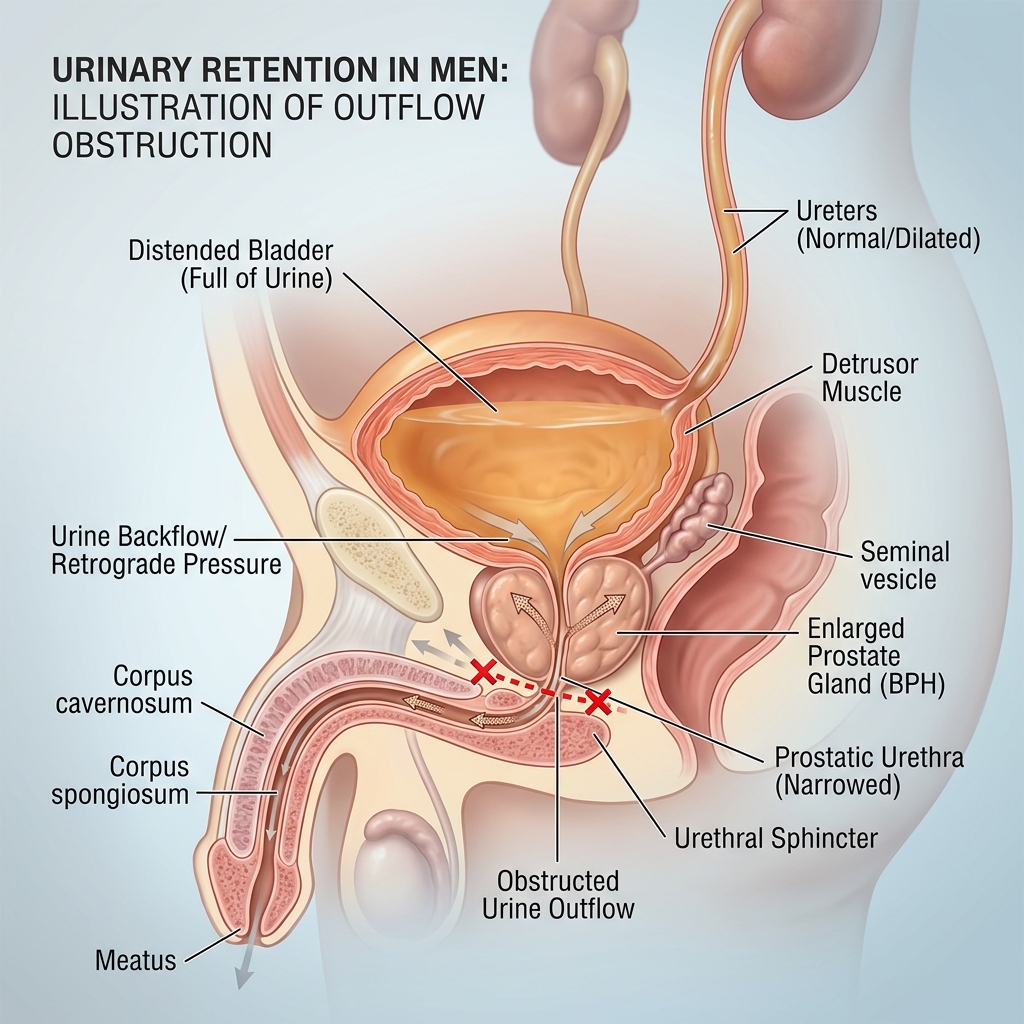
One of the most common causes of urinary obstruction in older men is benign prostatic hyperplasia (BPH).
As the prostate grows, it can compress the urethra and make it more difficult for urine to pass from the bladder. In advanced cases, prostate enlargement can contribute to acute urinary retention.
2. Urethral Stricture
A urethral stricture occurs when scar tissue narrows part of the urethra. This can restrict urine flow, causing straining and incomplete emptying.
Possible causes include previous injury, infection, instrumentation or surgery. When narrowing becomes severe, urinary retention can occur.
3. Penile or Urethral Conditions
Certain conditions affecting the penis or urethra may interfere with normal urine flow. For example, narrowing or scarring around the urethral opening (meatal stenosis) or severe phimosis may make urination difficult.
This is one reason men with persistent changes in urinary flow should undergo a proper examination rather than assuming that the problem is simply related to ageing. Patients seeking Penile Disorders Treatment in Navi Mumbai may require evaluation of both the external genital structures and the urinary tract when symptoms overlap.
4. Urinary Tract Infections (UTIs)
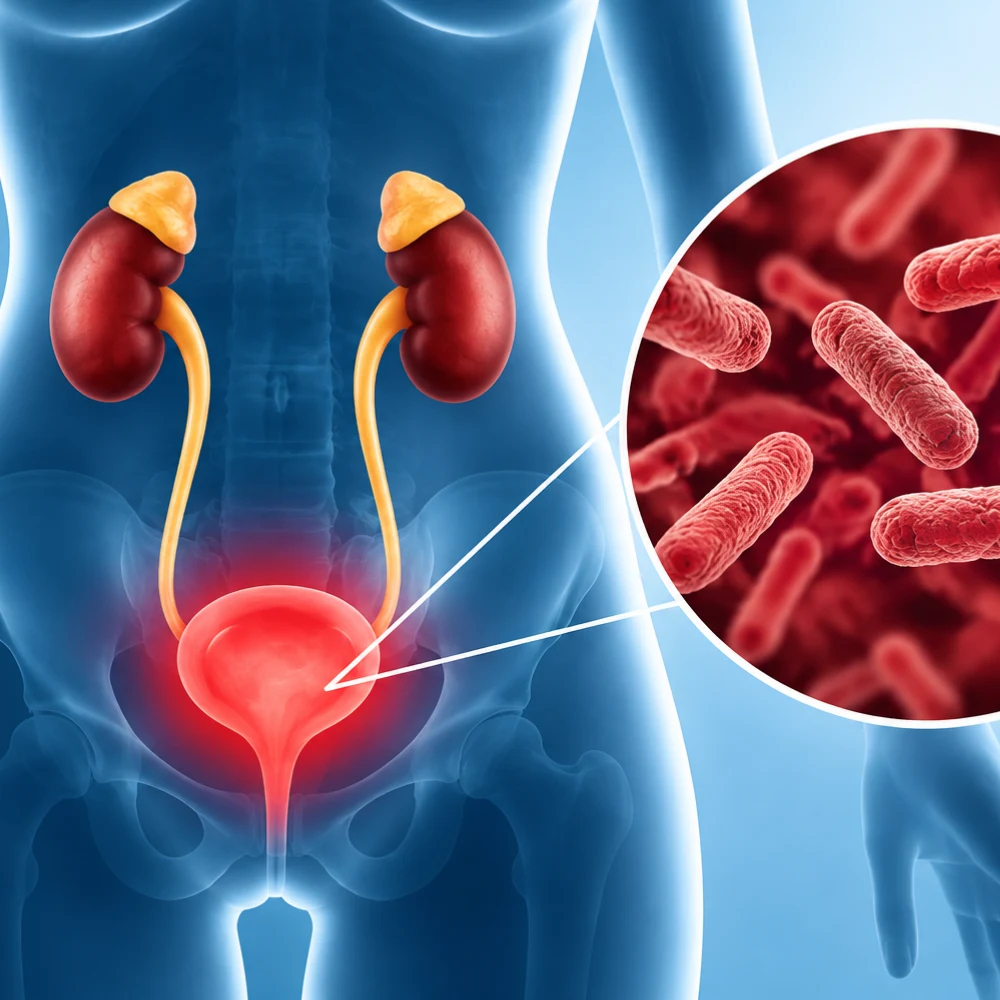
A urinary tract infection can cause inflammation and swelling, potentially making urination difficult. Symptoms may include burning, urgency, cloudy urine and pelvic pain. Severe infection involving the prostate can occasionally trigger urinary retention.
5. Prostatitis
Prostatitis refers to inflammation or infection of the prostate. Depending on the type and cause, it may cause pelvic discomfort, painful urination, urinary frequency and difficulty passing urine. In severe cases, swelling can contribute to acute urinary obstruction.
6. Bladder Muscle Problems
The bladder muscle (detrusor) needs to contract effectively to push urine out. Conditions affecting bladder muscle tone can reduce its ability to empty completely. This may occur with longstanding obstruction or aging bladder muscle.
7. Nerve-Related (Neurogenic) Conditions
Normal bladder function depends on coordinated communication between the brain, spinal cord and urinary tract. Neurological conditions or nerve damage can interfere with bladder control and emptying. Examples include spinal cord injuries, stroke, multiple sclerosis and diabetic neuropathy.
8. Urinary and Bladder Stones
A stone located in the urinary bladder or urethra can abruptly lodge at the bladder neck and block urine flow.
9. Certain Medications
Some medicines can interfere with bladder contraction or increase urethral resistance. Examples include antihistamines, decongestants, antidepressants and certain pain medications. If urinary symptoms begin after starting a new medication, discuss this with your doctor rather than stopping the medicine yourself.
Who Is at Higher Risk?
Urinary retention may be more likely in men who have:
- Enlarged prostate (BPH)
- Previous urinary tract, prostate or pelvic surgery
- History of urethral stricture or catheter use
- Recurrent urinary infections
- Neurological conditions (Parkinson's, MS, spinal disorders)
- Diabetes with peripheral or autonomic neuropathy
- Previous pelvic or perineal injury
- Previous episodes of acute or chronic urinary retention
Age can also increase the risk, particularly because prostate enlargement becomes significantly more common as men grow older.
How Is Urinary Retention Diagnosed?
A urologist will first determine whether the bladder is retaining urine and then identify the underlying cause through targeted evaluations.
Diagnostic Investigations
- Medical History: Pattern of symptoms, previous episodes, medications, surgeries.
- Physical Examination: Abdominal examination and digital rectal exam (DRE) to evaluate prostate size.
- Bladder Scan / Ultrasound: Measures post-void residual (PVR) volume to assess incomplete emptying.
- Urine Tests: Urinalysis and urine culture to check for infection, hematuria, or proteinuria.
- Blood Tests: Serum creatinine, urea, and electrolytes to evaluate kidney function, plus PSA testing.
- Uroflowmetry: Measures flow rate, voiding duration, and pattern of urine outflow.
- Cystoscopy: Direct visual inspection of the urethra and bladder lining using a specialized thin camera.

How Is Urinary Retention Treated?
Treatment depends on whether the retention is acute or chronic and what is causing it.
1. Immediate Bladder Drainage
If a man suddenly cannot urinate, the immediate priority is to relieve the distended bladder. A urinary catheter (Foley or suprapubic) is inserted to drain accumulated urine, alleviate pain, and protect the kidneys. Further treatment is then directed at the underlying cause.
2. Treatment for Enlarged Prostate (BPH)
If BPH is responsible, management may include:
- Medications (alpha-blockers and 5-ARIs) to relax the prostate and improve flow
- Minimally invasive prostate procedures
- Laser prostate surgery (HoLEP, ThuLEP)
- Transurethral Resection of the Prostate (TURP)

3. Treatment for Urethral Stricture
A urethral stricture may require procedures designed to widen (dilation, optical urethrotomy) or surgically reconstruct the narrowed section (urethroplasty surgery). The choice depends on the length, location and severity of the stricture.
4. Treatment for Infection
If an infection such as severe cystitis or acute prostatitis is identified, appropriate culture-directed antibiotics and anti-inflammatory medications are prescribed.
5. Treatment for Neurological or Bladder Muscle Problems
If poor bladder muscle contraction is responsible, management may involve bladder retraining, medications, clean intermittent self-catheterisation (CISC) or sacral neuromodulation depending on the specific condition.
Can Urinary Retention Damage the Kidneys?
Yes, severe or prolonged urinary obstruction can potentially affect kidney function.
Backpressure and Hydronephrosis
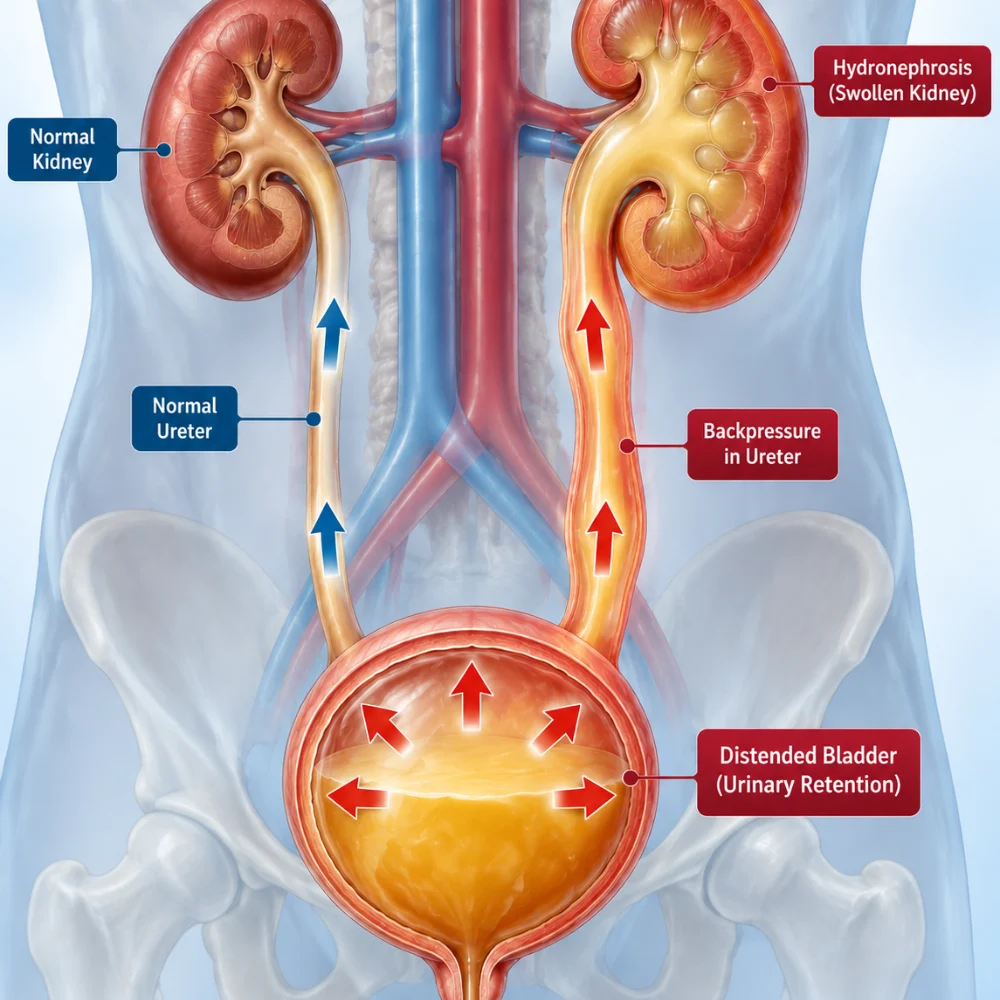
When urine cannot drain properly from the bladder, high pressure builds up inside the urinary tract. Over time, this backward pressure travels up the ureters to the kidneys.
Persistent obstruction may cause:
- Swelling of the kidneys (hydronephrosis)
- Impaired renal filtration capacity
- Acute or progressive kidney injury
- Severe urinary tract sepsis
This is why urinary retention should never be ignored, particularly when symptoms are worsening or urine output stops.
Can Urinary Retention Be Prevented?
Not every case can be prevented, but men can reduce their risk significantly by adopting healthy habits and seeking timely care:
- Getting persistent urinary symptoms evaluated early instead of waiting
- Managing prostate enlargement (BPH) proactively with prescribed medical therapy
- Treating urinary tract infections promptly
- Following up regularly after urethral dilation or stricture procedures
- Taking prescription and OTC medications only as directed
- Managing diabetes and maintaining stable blood glucose levels
- Attending recommended annual urological check-ups after age 50
When Is Urinary Retention an Emergency?
Seek urgent emergency medical attention if you suddenly cannot pass any urine. This is especially critical if you also experience any of the following emergency warning signs:
- Severe, agonizing lower abdominal or pelvic pain
- A tense, painfully swollen bladder area above the pubic bone
- Fever, chills, shivering, or signs of systemic infection
- Visible blood in the urine (gross hematuria) or passing clots
- Nausea, persistent vomiting, or severe physical weakness
- Significant pain in the back, flank, or kidney area
Do not attempt to wait for acute urinary retention to resolve on its own. Delaying medical care can result in bladder rupture, severe infection, or irreversible kidney damage.
Is Urinary Retention Related to Penile Disorders?
Urinary retention is not usually classified as a primary penile disorder. However, conditions affecting the urethra, urethral opening (meatus), foreskin or surrounding structures can interfere directly with urine flow.
This overlap is important because urinary and penile symptoms frequently occur together. For men seeking Penile Disorders Treatment in Navi Mumbai, an experienced urologist can evaluate symptoms such as changes in urinary flow, difficulty urinating, penile pain, swelling, discharge or structural abnormalities and determine whether the problem originates in the penis, urethra, prostate or bladder.
Why Early Evaluation Matters
Men often ignore a gradually weakening urine stream because they assume it is simply part of getting older. But a weak stream can have several treatable causes, including prostate enlargement and urethral narrowing.
If the underlying obstruction progresses unchecked, it may eventually culminate in acute urinary retention. Getting evaluated early by a specialist urologist can identify the exact cause of obstruction before irreversible bladder muscle changes or renal complications develop.
Frequently Asked Questions
Yes. Significant prostate enlargement can obstruct the urethra and, in some men, lead to acute urinary retention requiring emergency care.
Acute urinary retention should not be expected to resolve safely on its own. A man who suddenly cannot urinate needs urgent medical assessment and bladder drainage.
No. Treatment depends on the cause. Immediate catheterisation may be needed for acute retention, while the underlying condition may be treated with medication, procedures or surgery depending on the diagnosis.
Yes. A severe urethral stricture can significantly restrict urine flow and may eventually cause urinary retention if left untreated.
Prolonged or severe obstruction can cause backpressure and kidney swelling, potentially impairing kidney function. Prompt medical treatment is therefore important.
Conclusion
Urinary retention in men can result from several conditions, including an enlarged prostate, urethral stricture, infections, prostatitis, bladder dysfunction, neurological problems and certain medications.
The symptoms may develop gradually or appear suddenly. While chronic retention should be evaluated promptly, sudden inability to urinate is a medical emergency and requires immediate attention.
Accurate diagnosis is the key to effective treatment. Depending on the underlying cause, management may involve catheterisation, medication, treatment of infection, procedures for urethral narrowing or prostate treatment.
If you are experiencing difficulty urinating, a weak urine stream or symptoms affecting the penis or urethra, book an appointment with the experienced urology team at MITR Urology Associates for a comprehensive evaluation and personalised treatment plan.
Consult a Urology Specialist
Don't ignore difficulty in passing urine. Book an appointment with the experienced urology and andrology team at MITR Urology Associates to receive prompt, comprehensive diagnosis and advanced personalized care.
Take Charge of Your Health Today
Book a Consultation with a SpecialistCopyright © All Rights Reserved, By MITR Urology Associates