Welcome to MITR Hospital
Urethral Stricture Treatment
A urethral stricture is a condition in which the urethra becomes narrowed due to scar tissue formation. This narrowing can obstruct the normal flow of urine and lead to a variety of urinary symptoms, including difficulty urinating, weak urine stream, recurrent infections, and incomplete bladder emptying. If left untreated, urethral strictures can affect bladder function, kidney health, and overall quality of life.
At MITR Urology Associates, we provide comprehensive diagnosis and advanced urethral stricture treatment in Navi Mumbai. Our experienced urologists offer personalized treatment plans using modern diagnostic techniques and minimally invasive or reconstructive surgical procedures to restore normal urinary function.
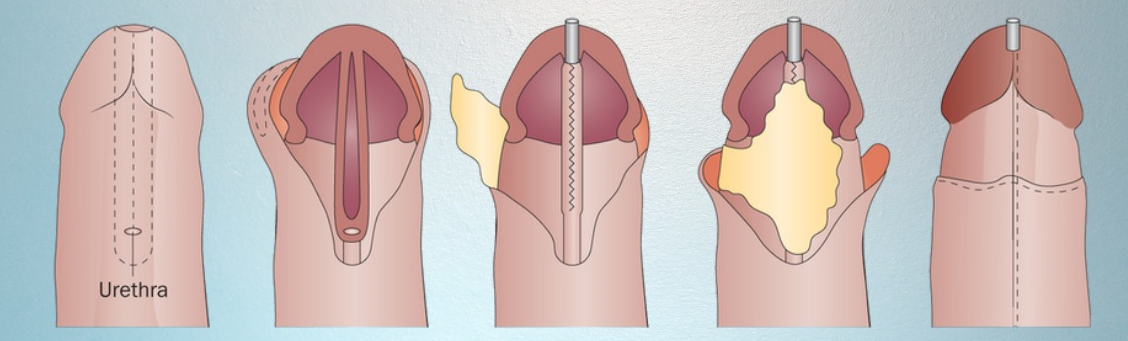
What is a Urethral Stricture?
The urethra is the tube that carries urine from the bladder out of the body. A urethral stricture occurs when scar tissue develops within the urethra, causing it to narrow.
This narrowing restricts urine flow and can progressively worsen if not treated.
Urethral strictures can occur in men of all ages and may vary in length, severity, and location within the urethra.
Symptoms of Urethral Stricture
The symptoms may develop gradually or become noticeable over time.
- Weak Urine Stream: One of the most common symptoms is a reduced force of urine flow.
- Difficulty Urinating: Patients may experience straining or difficulty starting urination.
- Incomplete Bladder Emptying: A feeling that the bladder has not emptied completely after urination.
- Frequent Urination: The need to urinate more often than usual.
- Urinary Urgency: A sudden and strong urge to urinate.
- Burning During Urination: Discomfort or burning sensation while passing urine.
- Blood in Urine: Some patients may notice blood in the urine.
- Recurrent Urinary Tract Infections: Restricted urine flow can increase the risk of infections.
- Urinary Retention: Severe narrowing may completely block urine flow, requiring emergency treatment.
What Causes Urethral Stricture?
Urethral strictures can develop due to several factors.
Previous Infection
Certain urinary tract infections can lead to scar tissue formation.
Trauma or Injury
Injuries involving the pelvis, perineum, or urethra may cause narrowing.
Previous Catheterization
Repeated catheter use can sometimes damage the urethra.
Previous Urological Procedures
Certain surgeries or endoscopic procedures may result in scar tissue formation.
Inflammatory Conditions
Chronic inflammation may contribute to urethral narrowing.
Congenital Abnormalities
Some individuals may be born with urethral abnormalities that predispose them to strictures.
Who is at Risk of Urethral Stricture?
You may be at higher risk if you:
- Have a history of urethral injury
- Have undergone urinary catheterization
- Have had previous urological surgery
- Experience recurrent urinary infections
- Have a history of sexually transmitted infections
- Have undergone radiation treatment involving the pelvic region
How is Urethral Stricture Diagnosed?
Accurate diagnosis is essential to determine the severity and location of the stricture.
Medical History Assessment
Your doctor will review urinary symptoms, previous surgeries, medical history, and prior infections or injuries.
Physical Examination
A thorough examination helps identify contributing factors.
Urine Analysis
Testing may detect infection or blood in the urine.
Uroflowmetry
This test measures the speed and pattern of urine flow.
Ultrasound Examination
Ultrasound may help evaluate bladder emptying and urinary tract health.
Cystoscopy
A thin camera is inserted into the urethra to directly visualize the narrowing.
Retrograde Urethrogram (RGU)
Specialized imaging helps determine the exact location and length of the stricture.
Urethral Stricture Treatment Options
Treatment depends on the length, location, and severity of the stricture.
Medical Management
Although medications cannot permanently cure a urethral stricture, they may help manage associated symptoms or infections.
Urethral Dilatation
This procedure gently widens the narrowed portion of the urethra. It may provide temporary symptom relief in selected patients.
Optical Internal Urethrotomy (OIU)
A minimally invasive endoscopic procedure used to incise the scar tissue causing the narrowing.
Urethroplasty Surgery
Urethroplasty is considered the gold standard treatment for many urethral strictures. Benefits include high long-term success rates, durable results, and restoration of normal urine flow.
Reconstructive Urology Procedures
Complex or recurrent strictures may require advanced reconstructive surgical techniques.
Can Urethral Strictures Recur?
Yes. Some urethral strictures may recur after treatment, particularly if the underlying scar tissue reforms.
Regular follow-up helps monitor recovery and detect recurrence early.
Urethroplasty generally offers the best long-term outcomes for many patients.
Complications of Untreated Urethral Stricture
Without appropriate treatment, urethral strictures can cause:
- Chronic Urinary Symptoms: Persistent difficulty urinating and reduced quality of life.
- Recurrent Urinary Tract Infections: Urine retention can increase infection risk.
- Bladder Damage: Chronic obstruction may affect bladder function.
- Kidney Problems: Long-term urinary obstruction can impact kidney health.
- Acute Urinary Retention: Complete blockage of urine flow requiring urgent medical attention.
How Can Urethral Stricture Be Prevented?
Although not all cases can be prevented, the following measures may help:
- Prompt treatment of urinary infections
- Safe catheterization practices
- Early treatment of urethral injuries
- Regular medical follow-up for high-risk individuals
Why Choose MITR Urology Associates for Urethral Stricture Treatment?
Experienced Reconstructive Urologists
Our team has expertise in managing simple and complex urethral strictures.
Advanced Diagnostic Facilities
Modern investigations help ensure accurate diagnosis and treatment planning.
Minimally Invasive & Surgical Options
We provide a full range of treatment solutions based on individual needs.
Personalized Care
Treatment plans are customized according to the severity and location of the stricture.
Comprehensive Follow-Up
We focus on long-term outcomes and prevention of recurrence.
Convenient Locations
Serving patients from:
- Navi Mumbai
- Kharghar
- Ulwe
- Panvel and nearby areas
When Should You Consult a Urologist?
Seek medical attention if you experience:
- Weak urine stream
- Difficulty urinating
- Frequent urinary infections
- Blood in urine
- Incomplete bladder emptying
- Urinary retention
Early diagnosis and treatment can prevent complications and improve long-term urinary health.
Frequently Asked Questions
A urethral stricture is a narrowing of the urethra caused by scar tissue formation.
Many urethral strictures can be successfully treated, especially with appropriate surgical management.
Treatment depends on the severity and location of the narrowing. Urethroplasty often provides the most durable long-term results.
Yes. Urethroplasty is considered one of the most effective treatments for many urethral strictures.
Recurrence is possible, although long-term success rates are generally high with appropriate treatment.
A urologist with expertise in reconstructive urology treats urethral strictures.
Book a Consultation for Urethral Stricture Treatment
If you are experiencing urinary difficulties, weak urine flow, recurrent infections, or have been diagnosed with a urethral stricture, consult the specialists at MITR Urology Associates for expert evaluation and treatment.
Our experienced urology team provides advanced diagnostic services, minimally invasive procedures, and reconstructive surgical solutions to help restore normal urinary function and improve your quality of life.
Copyright © All Rights Reserved, By MITR Urology Associates