Welcome to MITR Hospital
Urinary Bladder Stone Symptoms and Their Effect on Urinary Health
Urinary bladder stones are a common yet often overlooked urological condition that can significantly affect urinary health if not treated on time. These stones form when minerals in urine crystallise and harden inside the bladder, usually due to incomplete bladder emptying. Recognising urinary bladder stone symptoms early is essential to prevent pain, infections, and long-term complications involving the bladder and kidneys. This detailed guide explains bladder stone symptoms, how they affect urinary health, who is at risk, and when medical evaluation becomes necessary.
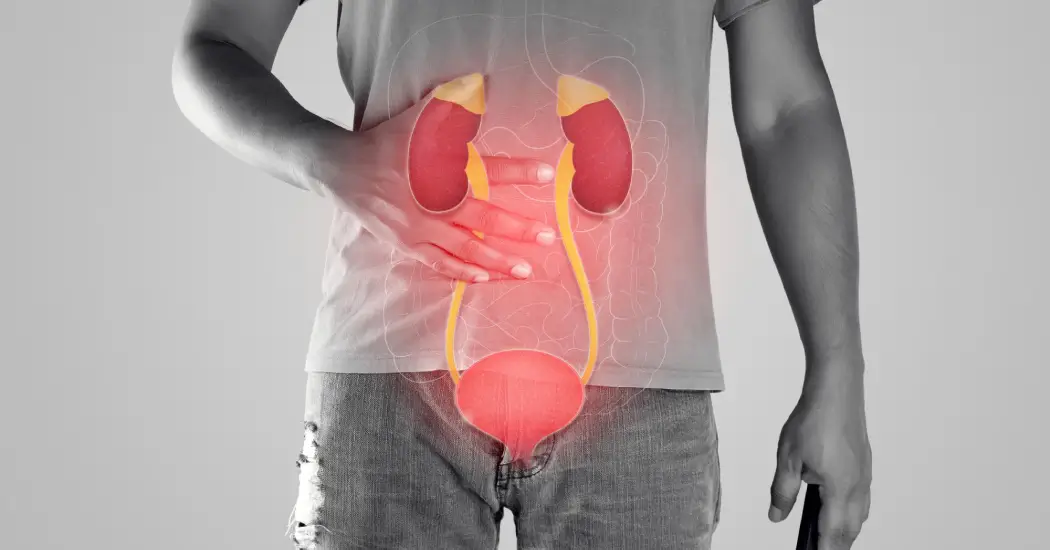
What Are Urinary Bladder Stones?
Urinary bladder stones are hard mineral deposits that develop inside the bladder when urine remains stagnant for prolonged periods. Over time, minerals such as calcium, uric acid, or oxalate accumulate and form stones of varying sizes.
Bladder stones often occur due to:
- - Incomplete bladder emptying
- - Obstruction to urine flow
- - Chronic urinary tract infections
- - Prostate enlargement in men
- - Nerve damage affecting bladder function
Understanding urinary bladder stone symptoms helps patients seek early treatment and avoid worsening urinary problems.
How Bladder Stones Affect Urinary Health
Bladder stones interfere directly with normal urinary function. As stones irritate the bladder lining or obstruct urine flow, they can cause discomfort, inflammation, and infections. Over time, untreated stones may lead to:
- - Recurrent urinary tract infections
- - Chronic bladder inflammation
- - Urinary retention
- - Reduced bladder capacity
- - Kidney damage in severe cases
Early identification of symptoms protects overall urinary health and improves treatment outcomes.
Common Urinary Bladder Stone Symptoms
The symptoms of bladder stones vary depending on the stone’s size, number, and movement within the bladder. Some patients experience mild discomfort, while others develop severe urinary problems.
Frequent Urination
One of the earliest urinary bladder stone symptoms is frequent urination. Patients may feel the urge to urinate more often than usual, particularly during the night. Even after passing urine, the urge may return quickly due to bladder irritation.
Painful Urination
Bladder stones often cause pain or burning during urination. This discomfort may intensify toward the end of urination as the bladder contracts around the stone. Painful urination is commonly mistaken for a urinary tract infection.
Lower Abdominal Pain
Persistent pain or pressure in the lower abdomen, just above the pubic bone, is a frequent symptom. The pain may worsen with movement or while urinating and may come and go depending on the stone’s position.
Blood in Urine
Blood in urine, known as hematuria, occurs when stones irritate or damage the bladder lining. Urine may appear pink, red, or brown, or blood may only be detected through laboratory testing.
Weak or Interrupted Urine Stream
Bladder stones can partially block the flow of urine, leading to a weak, slow, or stop-start urine stream. Some patients find it difficult to begin urinating despite feeling a strong urge.
Cloudy or Foul-Smelling Urine
Changes in urine appearance or smell may indicate infection caused by stagnant urine or stone irritation. Cloudy urine with a strong odour should never be ignored.
Sudden Severe Pain
If a bladder stone shifts position, it can cause sudden, sharp pain in the lower abdomen or pelvic region. This pain may occur unexpectedly and can be intense.
Common Urinary Bladder Stone Symptoms
In some cases, bladder stones cause subtle or atypical symptoms, including:
- - A constant feeling of incomplete bladder emptying
- - Pelvic discomfort while sitting
- - Mild nausea
- - General discomfort in the lower abdomen
Because these symptoms can be vague, many patients delay seeking medical care, allowing the condition to worsen.
Urinary Bladder Stone Symptoms in Men and Women
In Men
Bladder stones are more common in men, particularly those over 50 years of age. Prostate enlargement often prevents complete bladder emptying, increasing stone risk. Symptoms may include severe urinary obstruction and difficulty passing urine.
In Women
In women, bladder stone symptoms may closely resemble urinary tract infections. Lower abdominal pain and burning during urination are often misinterpreted as gynaecological issues, delaying diagnosis. Regardless of gender, persistent urinary bladder stone symptoms require evaluation by a urology specialist.
When Should You See a Urologist?
Medical consultation is essential if you experience:
- - Persistent lower abdominal pain
- - Blood in urine
- - Fever, chills, or signs of infection
- - Difficulty urinating or sudden inability to pass urine
- - Recurrent urinary symptoms despite treatment
Early diagnosis prevents complications and protects long-term urinary health.
How Are Urinary Bladder Stone Symptoms Diagnosed?
Diagnosis begins with a detailed review of symptoms and medical history. Common diagnostic methods include:
- - Urine tests to detect infection or blood
- - Ultrasound or X-ray to visualise stones
- - CT scan for detailed imaging
- - Cystoscopy to directly examine the bladder when needed
Accurate diagnosis ensures appropriate treatment and rules out other urinary conditions.
Treatment Options for Bladder Stones
Treatment depends on stone size, severity of symptoms, and underlying causes.
Conservative Treatment:
Small stones may pass naturally with increased fluid intake and symptom-relieving medications.
Minimally Invasive Procedures:
Cystolitholapaxy is commonly used to break stones into smaller fragments that can be safely removed through the urinary tract.
Surgical Treatment:
Larger or recurrent stones may require surgical removal, especially when associated with bladder outlet obstruction.
Your urologist will recommend the most suitable treatment based on individual needs.
Preventing Future Urinary Bladder Stone Symptoms
Preventive measures play a vital role in maintaining urinary health:
- - Drink adequate water daily
- - Treat urinary infections promptly
- - Manage prostate or bladder conditions
- - Follow prescribed medications
- - Attend regular urology follow-ups if at risk
Conclusion
Urinary bladder stone symptoms and their effect on urinary health should never be underestimated. Frequent urination, painful urination, lower abdominal pain, blood in urine, and weak urine flow are warning signs that require prompt medical attention.
At MITR Urology Associates, experienced urology specialists provide accurate diagnosis, advanced treatment, and personalised care to restore urinary health and prevent complications. If you notice ongoing urinary symptoms, seeking timely expert care can make all the difference.
Copyright © All Rights Reserved, By MITR Urology Associates