Welcome to MITR Hospital
Types of Kidney Stones: Understanding the Different Forms and Their Causes
Kidney stones are a common urological condition affecting people of all ages. They form when minerals and salts in urine crystallise and harden inside the kidneys. While many people are aware of kidney stones, fewer understand that there are different types of kidney stones, each with unique causes, risk factors, and treatment approaches. Understanding the types of kidney stones is essential for accurate diagnosis, effective treatment, and long-term prevention. This blog explains each type in detail and how they affect urinary health.
What Are Kidney Stones?
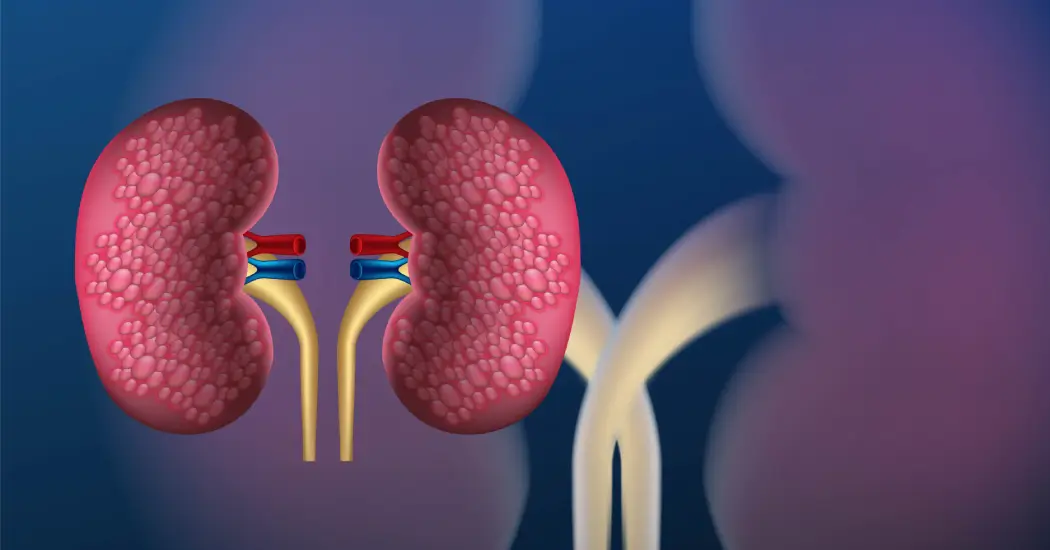
Kidney stones are hard, pebble-like deposits that form in one or both kidneys. They develop when urine becomes concentrated, allowing minerals to stick together and crystallise. Stones may remain in the kidney or travel through the urinary tract, often causing severe pain.
The composition of a kidney stone determines its type, underlying cause, and likelihood of recurrence.
Why Understanding the Types of Kidney Stones Matters
Identifying the correct type of kidney stone helps doctors:
- - Determine the root cause of stone formation
- - Choose the most effective treatment method
- - Recommend specific dietary and lifestyle changes
- - Reduce the risk of future stone formation
Each type of kidney stone behaves differently and requires a tailored management plan.
Main Types of Kidney Stones
There are four primary types of kidney stones commonly diagnosed in clinical practice.
Calcium Kidney Stones
Calcium stones are the most common among all types of kidney stones, accounting for the majority of cases. These stones are usually made of calcium oxalate, though some are composed of calcium phosphate.
Causes of Calcium Kidney Stones:
- - High levels of calcium or oxalate in urine
- - Dehydration and low fluid intake
- - Excessive salt consumption
- - Certain metabolic disorders
- - High intake of oxalate-rich foods
Key Symptoms:
- - Severe pain in the back or side
- - Blood in urine
- - Pain during urination
- - Nausea and vomiting
Calcium stones are often linked to dietary habits and can recur if preventive measures are not followed.
Uric Acid Kidney Stones
Uric acid stones form when urine becomes too acidic. These stones are more common in people with certain metabolic conditions and dietary patterns.
Causes of Uric Acid Stones:
- - High protein diet, especially red meat
- - Gout or high uric acid levels
- - Chronic dehydration
- - Diabetes or metabolic syndrome
Key Characteristics:
- - Often not visible on standard X-rays
- - More common in men
- - Increased risk with acidic urine
Uric acid stones are unique among the types of kidney stones because they can sometimes be dissolved with medications that alkalise urine.
Struvite Kidney Stones
Struvite stones form as a result of urinary tract infections caused by specific bacteria. These stones can grow quickly and become quite large.
Causes of Struvite Stones:
- - Recurrent urinary tract infections
- - Long-term catheter use
- - Poor bladder emptying
Key Features:
- - Rapid stone growth
- - Can occupy large parts of the kidney
- - May cause mild symptoms initially
Because struvite stones are infection-related, treating the underlying infection is critical to preventing recurrence.
Cystine Kidney Stones
Cystine stones are rare and occur due to a genetic disorder called cystinuria. This condition causes excess cystine to leak into the urine.
Causes of Cystine Stones:
- - Inherited metabolic disorder
- - Excess cystine in urine
- - Lifelong tendency to form stones
Key Characteristics:
- - Often develop at a younger age
- - High recurrence rate
- - Difficult to manage without long-term care
Among all types of kidney stones, cystine stones require specialised and ongoing management.
Less Common and Mixed Kidney Stones
Some kidney stones may contain a mixture of minerals, such as calcium combined with uric acid. In rare cases, drug-induced stones can form due to certain medications that crystallise in urine.
Understanding stone composition through laboratory analysis helps guide future prevention strategies.
Symptoms Common to All Types of Kidney Stones
Although each stone type has unique causes, symptoms are often similar:
- - Severe pain in the lower back or abdomen
- - Pain radiating to the groin
- - Blood in urine
- - Burning sensation during urination
- - Nausea and vomiting
- - Frequent urge to urinate
The intensity of symptoms usually depends on stone size and movement.
How Are the Types of Kidney Stones Diagnosed?
Diagnosis involves identifying both the presence and type of stone through:
- - Urine tests to detect minerals and infection
- - Blood tests to evaluate kidney function
- - Imaging tests such as ultrasound or CT scan
- - Stone analysis after passage or removal
Correct diagnosis allows urologists to tailor treatment and prevention plans.
Treatment Options Based on Stone Type
Treatment varies depending on stone size, location, and composition.
Conservative Treatment:
- - Increased fluid intake
- - Pain management medications
- - Medical therapy to help stone passag
Medical Management:
- - Urine-alkalising agents for uric acid stones
- - Antibiotics for infection-related stones
Minimally Invasive Procedures:
- - Shock wave lithotripsy
- - Ureteroscopy
- - Percutaneous stone removal
Your urologist will select the safest and most effective approach based on the type of kidney stone.
Preventing Different Types of Kidney Stones
Prevention strategies differ depending on stone type but generally include:
- - Drinking adequate water daily
- - Reduce salt intake
- - Follow a balanced diet
- - Managing underlying medical conditions
- - Regular follow-up with a urologist
Personalised prevention plans significantly reduce recurrence.
When to Consult a Urologist
You should seek medical care if you experience:
- - Severe or persistent pain
- - Blood in urine
- - Fever or signs of infection
- - Recurrent kidney stones
Early evaluation helps prevent complications such as kidney damage or repeated infections.
Conclusion
Understanding the types of kidney stones is essential for effective treatment and long-term prevention. Calcium, uric acid, struvite, and cystine stones each have distinct causes and management strategies. Identifying the stone type allows urologists to address the root cause and reduce the risk of recurrence.
At MITR Urology Associates, experienced specialists provide accurate diagnosis, advanced treatment options, and personalised care for all types of kidney stones. Early consultation and expert guidance can help protect your kidney and urinary health.
Copyright © All Rights Reserved, By MITR Urology Associates