Welcome to MITR Hospital
Testicular Cancer Treatment
Testicular cancer is a relatively uncommon but highly treatable form of cancer that develops in one or both testicles. The testicles are responsible for producing sperm and testosterone, making them essential for male reproductive and hormonal health. Early diagnosis and timely treatment significantly improve outcomes, with many patients achieving excellent long-term survival rates.
At MITR Urology Associates, we provide comprehensive testicular cancer treatment in Navi Mumbai, offering advanced diagnostic evaluation, surgical expertise, and personalized uro-oncology care. Our specialists focus on accurate diagnosis, effective treatment planning, and long-term follow-up to ensure the best possible outcomes.
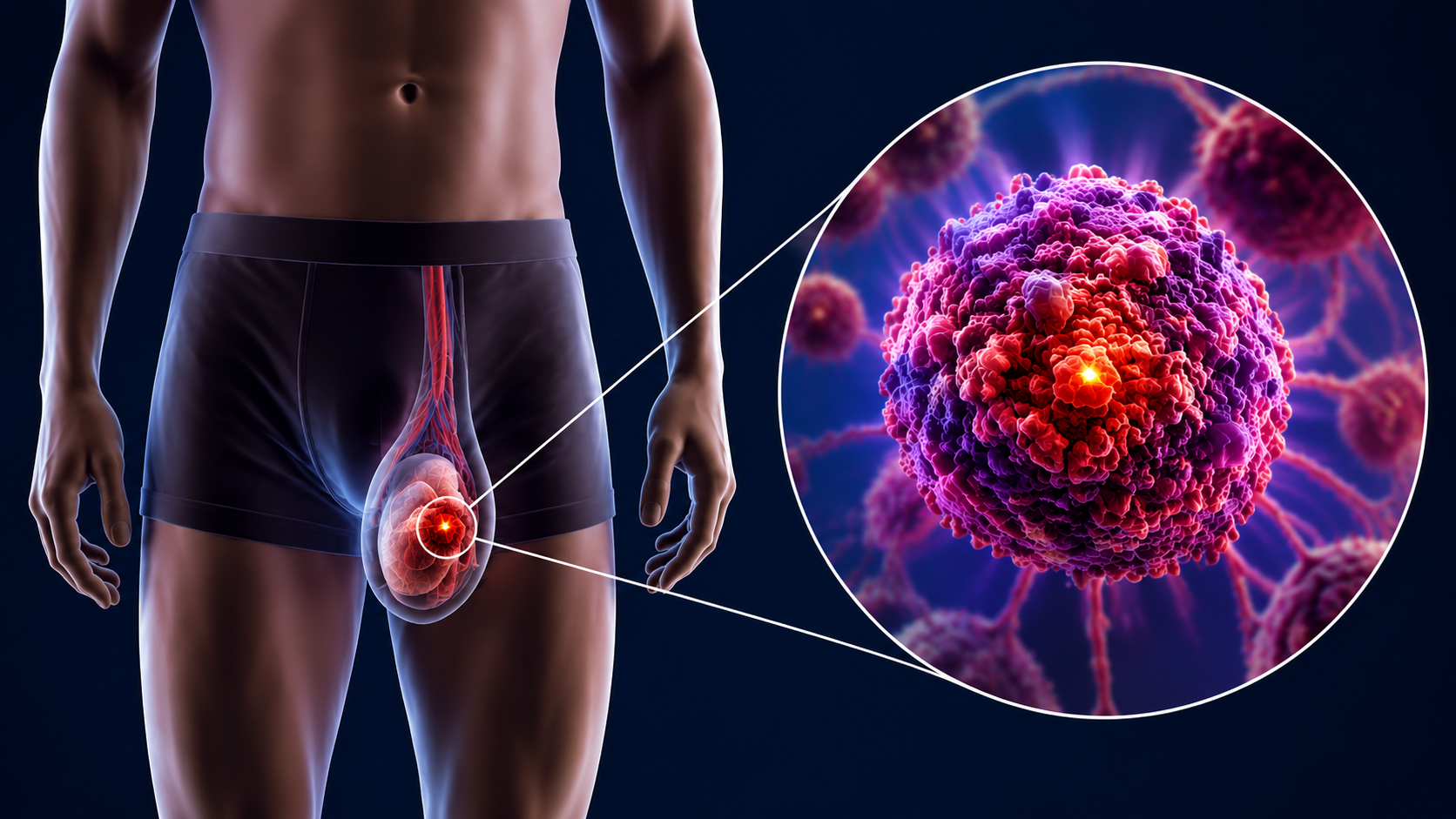
What is Testicular Cancer?
Testicular cancer occurs when abnormal cells within the testicle begin to grow uncontrollably and form a tumor. It most commonly affects younger and middle-aged men, although it can occur at any age.
Most testicular cancers begin in the germ cells, which are responsible for producing sperm.
With modern treatment approaches, testicular cancer is one of the most successfully treated cancers when detected early.
Types of Testicular Cancer
- Seminoma: Seminomas are generally slow-growing tumors and often respond very well to treatment.
- Non-Seminoma: These tumors tend to grow more rapidly and may require a combination of treatment approaches.
- Mixed Germ Cell Tumors: Some cancers contain both seminoma and non-seminoma components.
- Rare Testicular Tumors: Less common forms of testicular cancer may arise from other cells within the testicle.
Signs and Symptoms of Testicular Cancer
Many patients first notice changes during self-examination or routine physical activity.
- Testicular Lump: A painless lump or swelling in one testicle is one of the most common signs.
- Enlargement of a Testicle: One testicle may become noticeably larger than the other.
- Heaviness in the Scrotum: A persistent feeling of heaviness may develop.
- Testicular Pain or Discomfort: Some patients experience aching or discomfort in the testicle or scrotum.
- Lower Abdominal or Groin Pain: Pain may radiate into the lower abdomen or groin region.
- Fluid Collection in the Scrotum: Sudden swelling due to fluid accumulation may occur.
- Back Pain: Advanced disease may occasionally cause lower back discomfort.
What Causes Testicular Cancer?
The exact cause of testicular cancer is not fully understood, but several factors can increase risk.
Undescended Testicle (Cryptorchidism)
Men born with an undescended testicle have a higher risk of developing testicular cancer.
Family History
A family history of testicular cancer may increase susceptibility.
Previous Testicular Cancer
Patients who have had cancer in one testicle are at higher risk of developing cancer in the other.
Genetic Factors
Certain inherited conditions may contribute to risk.
Age
Testicular cancer commonly affects men between the ages of 15 and 45.
Who is at Risk of Testicular Cancer?
You may be at increased risk if you:
- Have a history of undescended testicles
- Have a family history of testicular cancer
- Previously had testicular cancer
- Have certain inherited genetic conditions
- Are between 15 and 45 years of age
How is Testicular Cancer Diagnosed?
Accurate diagnosis is essential for determining the type and stage of cancer.
Medical History and Physical Examination
Your doctor will evaluate symptoms, risk factors, and examine the testicles.
Scrotal Ultrasound
Ultrasound is the primary imaging test used to assess testicular masses.
Blood Tumor Markers
Blood tests may evaluate tumor markers such as Alpha-fetoprotein (AFP), Beta-hCG, and LDH. These markers help support diagnosis and treatment planning.
CT Scan
CT imaging helps determine whether cancer has spread to nearby lymph nodes or other organs.
Additional Imaging
Further investigations may be recommended based on individual findings.
Stages of Testicular Cancer
Accurate staging helps guide treatment decisions and prognosis.
- Stage I: Cancer is confined to the testicle.
- Stage II: Cancer has spread to nearby lymph nodes.
- Stage III: Cancer has spread to distant organs or tissues.
Testicular Cancer Treatment Options
Treatment depends on the type of cancer, stage, and overall health of the patient.
Radical Orchiectomy
The primary treatment for most testicular cancers involves surgical removal of the affected testicle. Benefits include removal of the cancerous tissue, accurate diagnosis and staging, and excellent treatment outcomes in many cases.
Active Surveillance
Selected patients with early-stage disease may be monitored closely after surgery.
Chemotherapy
Certain patients may require chemotherapy to eliminate cancer cells and reduce recurrence risk.
Radiation Therapy
Radiation may be recommended for specific types of testicular cancer.
Retroperitoneal Lymph Node Surgery
In selected cases, surgery may be required to remove affected lymph nodes.
Can Testicular Cancer Be Cured?
Yes. Testicular cancer has one of the highest cure rates among cancers, particularly when diagnosed early.
Factors influencing outcomes include:
- Stage at diagnosis
- Tumor type
- Response to treatment
- Overall health
Regular follow-up plays an important role in long-term success.
Importance of Early Detection
Early diagnosis allows:
- Less extensive treatment
- Higher cure rates
- Better preservation of overall health
- Reduced risk of cancer spread
Men should perform regular self-examinations and seek evaluation for any unusual testicular changes.
Why Choose MITR Urology Associates for Testicular Cancer Treatment?
Experienced Uro-Oncology Specialists
Our team has expertise in diagnosing and treating urological cancers.
Advanced Diagnostic Facilities
Modern imaging and laboratory services support accurate diagnosis and staging.
Personalized Treatment Planning
Every treatment plan is tailored to the patient's diagnosis and overall health.
Comprehensive Cancer Care
We provide ongoing support from diagnosis through long-term follow-up.
Multidisciplinary Approach
Collaboration with oncology specialists ensures comprehensive management when required.
Convenient Access
Serving patients from:
- Navi Mumbai
- Kharghar
- Ulwe
- Panvel
- Mumbai
- Nearby regions
Frequently Asked Questions
A painless lump or swelling in the testicle is often the earliest sign.
Yes. Most patients achieve excellent outcomes when diagnosed and treated early.
Some patients experience pain or discomfort, while others notice only swelling or a lump.
Yes. Testicular cancer commonly affects younger men.
Many men maintain normal fertility and hormone production with one healthy testicle, although individual circumstances vary.
A uro-oncologist or urologist specializing in urological cancers manages diagnosis and treatment.
Book a Consultation for Testicular Cancer Treatment
If you notice a testicular lump, swelling, pain, or have concerns about testicular health, consult the specialists at MITR Urology Associates for a comprehensive evaluation.
Our experienced uro-oncology team provides advanced diagnostic services, surgical expertise, and personalized treatment plans designed to achieve the best possible outcomes while protecting long-term health and quality of life.
Copyright © All Rights Reserved, By MITR Urology Associates