Welcome to MITR Hospital
Penile Cancer Treatment
Penile cancer is a rare form of cancer that develops in the tissues of the penis. Although uncommon, early diagnosis and prompt treatment are essential to achieve the best possible outcomes. When detected in its early stages, penile cancer can often be treated successfully while preserving urinary and sexual function whenever possible.
At MITR Urology Associates, we provide comprehensive penile cancer treatment in Navi Mumbai, offering advanced diagnostic evaluation, surgical expertise, and personalized uro-oncology care. Our specialists focus on accurate diagnosis, cancer staging, and individualized treatment plans designed to deliver effective cancer control and long-term health.
What is Penile Cancer?
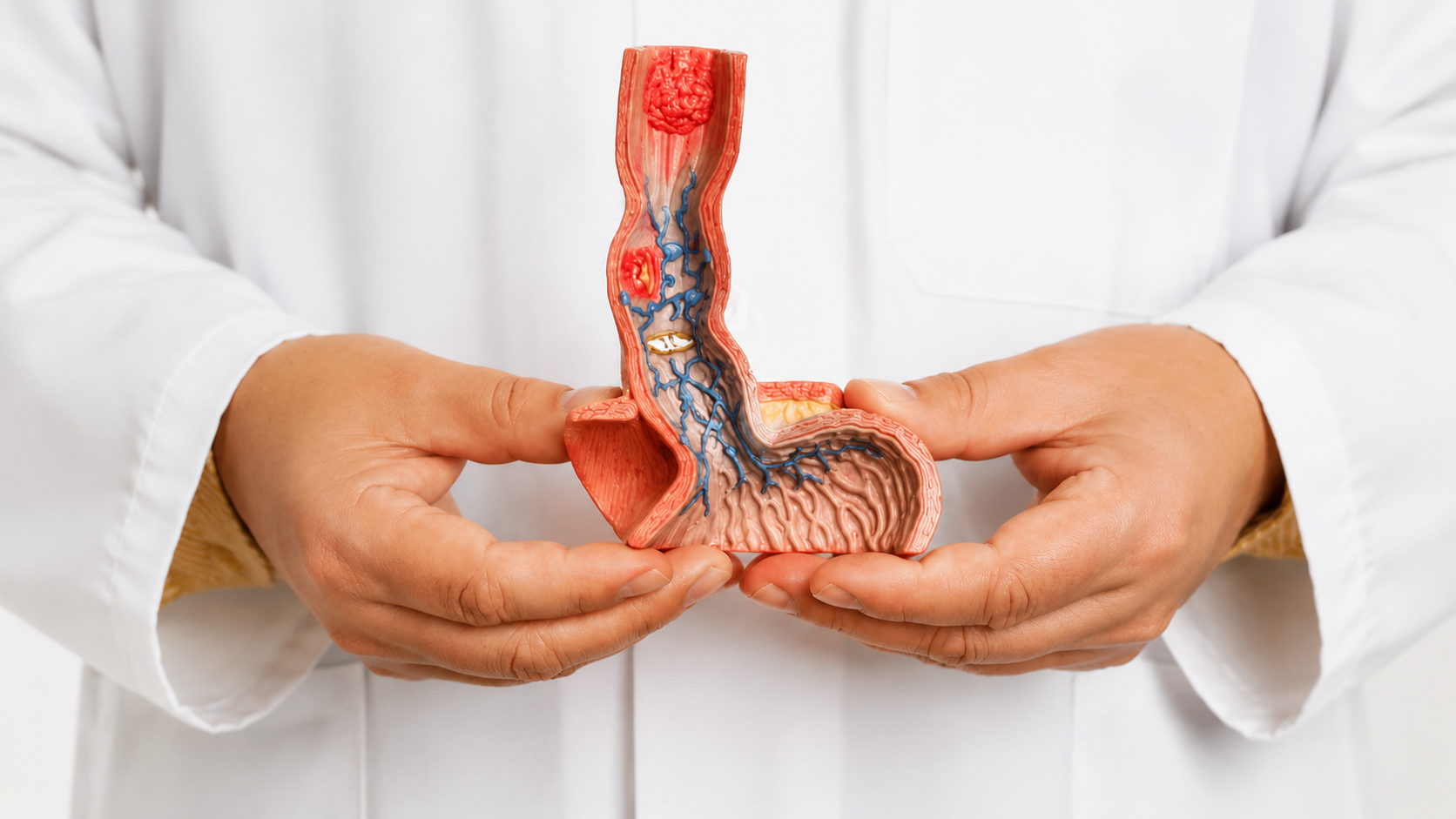
Penile cancer occurs when abnormal cells grow uncontrollably within the skin or tissues of the penis. The disease most commonly develops on the foreskin or the glans (head of the penis), although it can affect other penile structures as well.
Most penile cancers are classified as Squamous Cell Carcinoma, which originates in the skin cells covering the penis.
Early detection significantly improves treatment success and reduces the risk of cancer spreading to nearby lymph nodes or other organs.
Types of Penile Cancer
- Squamous Cell Carcinoma: The most common form of penile cancer, accounting for the majority of cases.
- Carcinoma In Situ (CIS): A very early form of cancer confined to the surface layers of the skin.
- Melanoma: A rare form of skin cancer that can occur on the penis.
- Basal Cell Carcinoma: A slow-growing cancer arising from the skin.
- Sarcoma: A rare cancer affecting connective tissues within the penis.
Signs and Symptoms of Penile Cancer
Early symptoms may be subtle and are often mistaken for infections or skin conditions.
- Persistent Penile Lump or Growth: A growth, ulcer, or thickened area that does not heal.
- Changes in Penile Skin: Abnormal skin color, texture, or appearance.
- Persistent Sore or Ulcer: A wound that remains present for several weeks.
- Bleeding from the Penis: Unexplained bleeding may occur in some cases.
- Foul-Smelling Discharge: Discharge beneath the foreskin may be associated with cancer or infection.
- Pain or Irritation: Persistent discomfort, tenderness, or irritation.
- Swelling of Lymph Nodes: Enlarged lymph nodes in the groin may indicate cancer spread.
What Causes Penile Cancer?
The exact cause is not always known, but several factors can increase the risk of developing penile cancer.
Human Papillomavirus (HPV) Infection
Certain HPV strains are associated with an increased risk of penile cancer.
Poor Genital Hygiene
Inadequate hygiene may contribute to chronic irritation and inflammation.
Phimosis
Inability to retract the foreskin properly can increase risk.
Smoking
Tobacco use is a significant risk factor.
Chronic Inflammation
Long-term inflammatory conditions affecting penile tissues may contribute to cancer development.
Increasing Age
Penile cancer is more common in older men.
Who is at Risk of Penile Cancer?
You may be at increased risk if you:
- Have HPV infection
- Smoke regularly
- Have phimosis
- Experience chronic penile inflammation
- Have poor genital hygiene
- Are over 50 years of age
- Have a weakened immune system
How is Penile Cancer Diagnosed?
Accurate diagnosis is essential for determining the stage and treatment plan.
Medical History and Physical Examination
Your doctor will evaluate symptoms, risk factors, and examine the affected area.
Penile Examination
A detailed examination helps assess the size and location of the lesion.
Biopsy
A tissue sample is obtained and examined under a microscope to confirm the diagnosis.
Ultrasound Examination
Ultrasound may help evaluate the depth of tumor involvement.
MRI Scan
MRI provides detailed imaging of penile tissues and surrounding structures.
CT Scan or PET Scan
Advanced imaging may be used to determine whether cancer has spread.
Lymph Node Evaluation
Assessment of groin lymph nodes helps determine disease stage.
Stages of Penile Cancer
- Stage I: Cancer remains confined to the penis and has not spread.
- Stage II: The tumor extends into deeper penile tissues.
- Stage III: Cancer has spread to nearby lymph nodes.
- Stage IV: Cancer has spread beyond the penis and regional lymph nodes.
Proper staging helps guide treatment decisions and prognosis.
Penile Cancer Treatment Options
Treatment depends on the size, location, and stage of the cancer.
Organ-Preserving Treatment
For selected early-stage cancers, treatment may focus on preserving penile structure and function whenever possible.
Surgical Excision
Removal of the cancerous tissue while preserving healthy tissue where appropriate.
Partial Penectomy
Removal of part of the penis may be necessary in certain cases.
Total Penectomy
In advanced cases, complete removal of the penis may be required to achieve cancer control.
Lymph Node Surgery
Cancer involving nearby lymph nodes may require additional surgical management.
Radiation Therapy
Radiation may be used as a primary treatment or in combination with surgery.
Chemotherapy
Certain advanced or metastatic cancers may require chemotherapy.
Multidisciplinary Cancer Care
Complex cases may benefit from coordinated treatment involving multiple oncology specialists.
Can Penile Cancer Be Cured?
Many patients achieve successful outcomes when penile cancer is diagnosed early.
The likelihood of cure depends on:
- Stage of cancer
- Tumor size and location
- Lymph node involvement
- Overall health
- Timeliness of treatment
Regular follow-up remains an essential part of long-term cancer care.
Importance of Early Detection
Early diagnosis provides several benefits:
- Greater treatment options
- Better preservation of penile function
- Reduced risk of cancer spread
- Improved long-term outcomes
Men should seek medical attention for any persistent penile lump, ulcer, or abnormal skin change.
Why Choose MITR Urology Associates for Penile Cancer Treatment?
Experienced Uro-Oncology Specialists
Our team specializes in diagnosing and treating urological cancers.
Advanced Diagnostic Facilities
Modern imaging and pathology services support accurate diagnosis and staging.
Personalized Treatment Planning
Every patient receives a customized treatment strategy based on their diagnosis and health needs.
Organ-Preserving Surgical Expertise
Whenever medically appropriate, we focus on preserving urinary and sexual function.
Comprehensive Cancer Care
We provide support from diagnosis through treatment and long-term follow-up.
Convenient Access
Serving patients from:
- Navi Mumbai
- Kharghar
- Ulwe
- Panvel
- Mumbai
- Nearby regions
Frequently Asked Questions
A persistent lump, ulcer, or abnormal skin change on the penis is often the earliest sign.
Yes. Many patients achieve excellent outcomes when the disease is diagnosed and treated early.
Treatment depends on the stage and location of the cancer. Early-stage cancers may be managed with organ-preserving approaches in suitable cases.
Yes. Certain strains of HPV are associated with an increased risk of penile cancer.
No. Penile cancer is relatively rare compared to many other cancers.
A uro-oncologist or urologist specializing in urological cancers manages diagnosis and treatment.
Book a Consultation for Penile Cancer Treatment
If you notice a persistent penile lump, ulcer, skin change, bleeding, or other concerning symptoms, consult the specialists at MITR Urology Associates for a comprehensive evaluation.
Our experienced uro-oncology team provides advanced diagnostic services, surgical expertise, and personalized treatment plans designed to achieve effective cancer control while maintaining the best possible quality of life.
Copyright © All Rights Reserved, By MITR Urology Associates