Welcome to MITR Hospital
Kidney Cancer Treatment
Kidney cancer is a type of cancer that develops in the tissues of the kidneys, the organs responsible for filtering waste products and excess fluids from the blood. Early diagnosis and timely treatment play a crucial role in improving outcomes and preserving kidney function.
At MITR Urology Associates, we provide comprehensive kidney cancer treatment in Navi Mumbai, offering advanced diagnostic evaluation, minimally invasive surgical techniques, and personalized cancer care. Our experienced uro-oncology specialists focus on delivering evidence-based treatment plans tailored to each patient's condition and overall health.
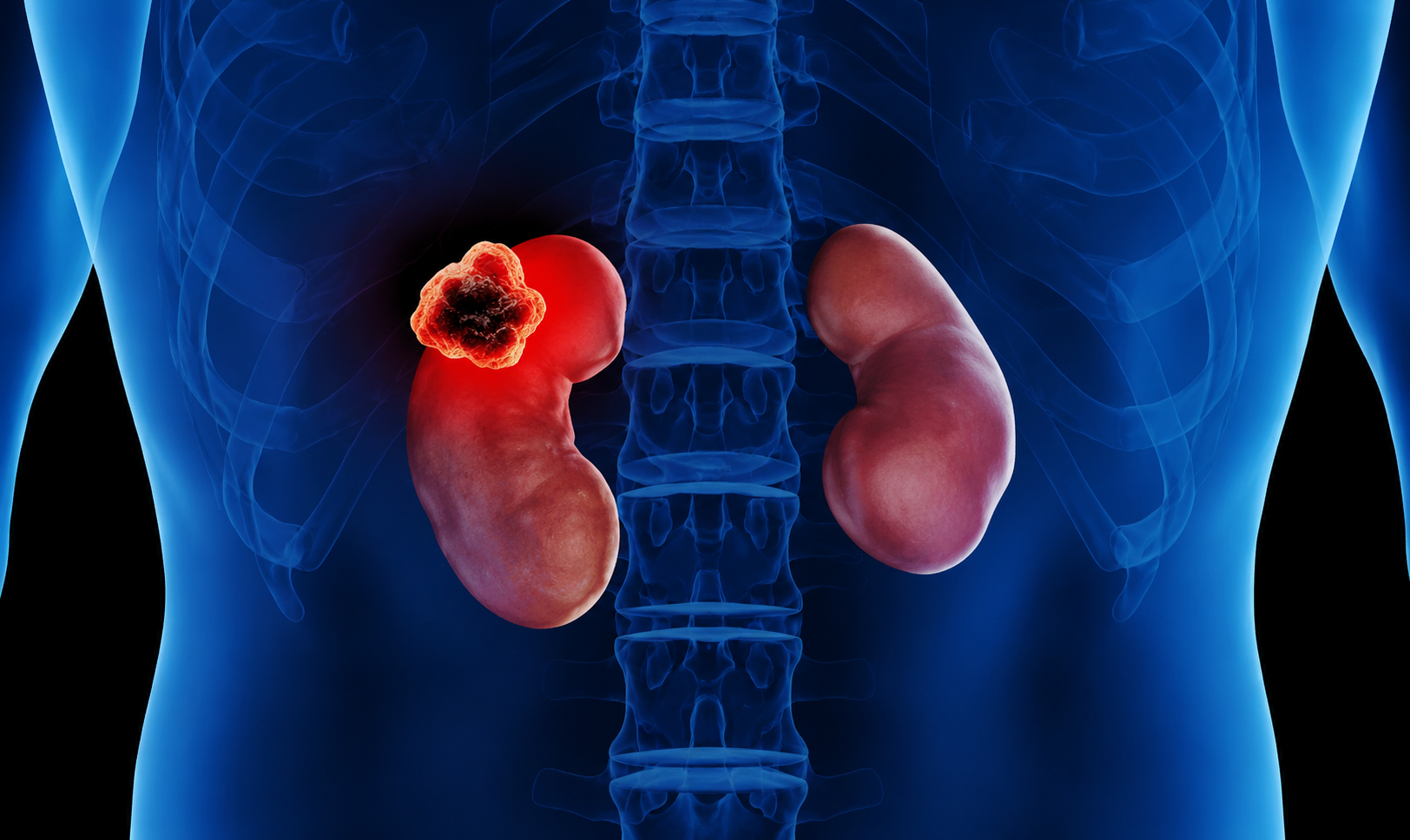
What is Kidney Cancer?
Kidney cancer occurs when abnormal cells within the kidney begin to grow uncontrollably and form a tumor. The most common type of kidney cancer in adults is Renal Cell Carcinoma (RCC).
In many cases, kidney cancer is detected incidentally during imaging tests performed for unrelated health concerns. However, larger tumors may produce symptoms that require medical attention.
When diagnosed early, kidney cancer can often be treated successfully with modern surgical and minimally invasive techniques.
Types of Kidney Cancer
- Renal Cell Carcinoma (RCC): The most common form of kidney cancer in adults.
- Transitional Cell Carcinoma: A cancer that develops in the lining of the urinary tract.
- Wilms Tumor: A rare kidney cancer primarily affecting children.
- Sarcoma of the Kidney: A rare form of cancer arising from connective tissues within the kidney.
Signs and Symptoms of Kidney Cancer
Kidney cancer may not cause symptoms during its early stages. As the tumor grows, symptoms may include:
- Blood in Urine (Hematuria): One of the most common warning signs of kidney cancer.
- Persistent Flank Pain: Pain on one side of the back or abdomen.
- Lump or Mass in the Abdomen: A noticeable swelling or mass in the kidney region.
- Unexplained Weight Loss: Loss of weight without changes in diet or activity levels.
- Fatigue: Persistent tiredness and reduced energy levels.
- Fever: Unexplained fever that occurs repeatedly.
- Loss of Appetite: Reduced interest in eating or unexplained appetite changes.
What Causes Kidney Cancer?
The exact cause of kidney cancer is not always known, but several risk factors can increase the likelihood of developing the disease.
Smoking
Tobacco use significantly increases kidney cancer risk.
Obesity
Excess body weight is associated with a higher incidence of kidney tumors.
High Blood Pressure
Chronic hypertension may increase the risk of kidney cancer.
Family History
Certain inherited conditions and family history can contribute to risk.
Long-Term Exposure to Chemicals
Occupational exposure to certain industrial chemicals may increase susceptibility.
Chronic Kidney Disease
Some patients with chronic kidney problems may have a higher risk of kidney cancer.
Who is at Risk of Kidney Cancer?
You may be at increased risk if you:
- Are over 50 years of age
- Smoke regularly
- Are overweight or obese
- Have high blood pressure
- Have a family history of kidney cancer
- Have chronic kidney disease
- Have inherited genetic syndromes associated with kidney tumors
How is Kidney Cancer Diagnosed?
Accurate diagnosis is essential for determining the stage of cancer and planning treatment.
Medical History and Physical Examination
Your doctor will review symptoms, risk factors, and medical history.
Blood Tests
Laboratory investigations help evaluate kidney function and overall health.
Urine Analysis
Urine testing may detect blood or other abnormalities.
Ultrasound Examination
Ultrasound can help identify kidney masses and abnormalities.
CT Scan
CT imaging provides detailed information about the size and extent of the tumor.
MRI Scan
MRI may be recommended in selected cases for further evaluation.
Biopsy
In certain situations, a tissue sample may be obtained for pathological analysis.
Stages of Kidney Cancer
Kidney cancer is classified according to the size and spread of the tumor.
- Stage I: Cancer is confined to the kidney and remains relatively small.
- Stage II: The tumor is larger but remains confined to the kidney.
- Stage III: Cancer may involve nearby lymph nodes or surrounding tissues.
- Stage IV: Cancer has spread beyond the kidney to distant organs.
Early-stage kidney cancer generally has more favorable treatment outcomes.
Kidney Cancer Treatment Options
Treatment depends on the stage, size, location of the tumor, and overall health of the patient.
Active Surveillance
Small tumors in selected patients may be monitored closely with regular imaging.
Partial Nephrectomy
Only the tumor and a small margin of healthy tissue are removed while preserving the remaining kidney. Benefits include preservation of kidney function, effective cancer control, and faster recovery in suitable cases.
Radical Nephrectomy
Removal of the affected kidney may be necessary for larger or more complex tumors.
Robotic Kidney Cancer Surgery
Robotic-assisted surgery offers greater precision, smaller incisions, reduced blood loss, and faster recovery.
Laparoscopic Kidney Surgery
A minimally invasive alternative to traditional open surgery.
Targeted Therapy
Certain advanced kidney cancers may require specialized medications.
Immunotherapy
Immunotherapy helps the body's immune system recognize and fight cancer cells.
Can Kidney Cancer Be Cured?
The possibility of cure depends on the stage at diagnosis.
Many patients diagnosed with early-stage kidney cancer achieve excellent outcomes following treatment.
Regular follow-up is important to monitor recovery and detect any recurrence.
Why Early Detection Matters
Early diagnosis allows:
- More treatment options
- Better preservation of kidney function
- Less invasive treatment approaches
- Improved long-term survival outcomes
Patients should seek medical evaluation if they experience persistent urinary symptoms or blood in the urine.
Why Choose MITR Urology Associates for Kidney Cancer Treatment?
Experienced Uro-Oncology Specialists
Our team specializes in the diagnosis and management of urological cancers.
Advanced Diagnostic Facilities
Modern imaging and laboratory services support accurate diagnosis and staging.
Minimally Invasive Surgical Expertise
We offer advanced laparoscopic and robotic-assisted treatment options whenever appropriate.
Personalized Cancer Care
Every treatment plan is tailored to the patient's diagnosis and overall health.
Comprehensive Follow-Up
Long-term monitoring helps ensure optimal outcomes after treatment.
Convenient Access
Serving patients from:
- Navi Mumbai
- Kharghar
- Ulwe
- Panvel
- Mumbai
- Nearby regions
Frequently Asked Questions
Blood in the urine is one of the most common warning signs.
Yes. Many patients achieve excellent outcomes when diagnosed and treated early.
Some cases are associated with inherited genetic conditions, although most occur sporadically.
Yes. If left untreated, kidney cancer can spread to other parts of the body.
Robotic-assisted surgery may be an option for suitable patients depending on tumor characteristics.
A uro-oncologist or urologist with expertise in urological cancers specializes in the treatment of kidney cancer.
Book a Consultation for Kidney Cancer Treatment
If you have been diagnosed with a kidney tumor, have blood in your urine, or are experiencing symptoms suggestive of kidney cancer, consult the specialists at MITR Urology Associates for a comprehensive evaluation.
Our experienced uro-oncology team provides advanced diagnostic services, minimally invasive surgical expertise, and personalized treatment plans designed to deliver the best possible outcomes while preserving kidney health whenever possible.
Copyright © All Rights Reserved, By MITR Urology Associates