Welcome to MITR Hospital
Ureteric Stones Treatment
Ureteric stones are a common urological condition that can cause severe pain, urinary symptoms, and obstruction of urine flow. These stones develop when mineral deposits formed in the kidneys travel into the ureters, the tubes that connect the kidneys to the bladder. Depending on their size and location, ureteric stones may pass naturally or require medical intervention.
At MITR Urology Associates, we provide comprehensive diagnosis and advanced ureteric stones treatment in Navi Mumbai. Our experienced urologists utilize modern diagnostic techniques and minimally invasive treatment options to help patients achieve effective stone removal and long-term relief.
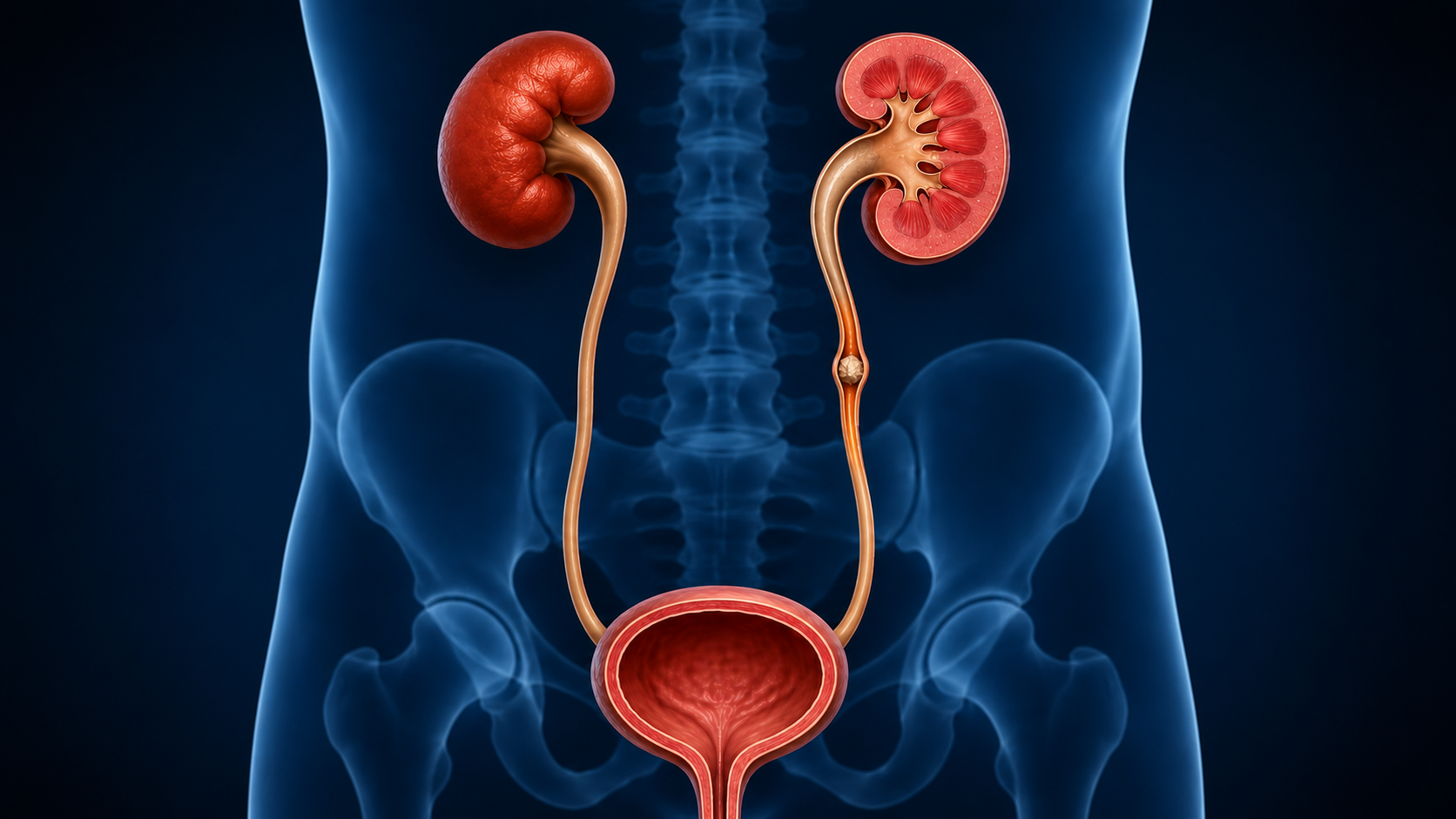
What are Ureteric Stones?
Ureteric stones are hard mineral deposits that become lodged within one of the ureters. They usually originate in the kidneys and move into the urinary tract.
When a stone blocks the ureter, it can interfere with the normal flow of urine and cause significant discomfort.
Ureteric stones vary in size and may range from tiny crystals to larger stones requiring specialized treatment.
Symptoms of Ureteric Stones
The symptoms of ureteric stones can vary depending on the size, location, and degree of obstruction.
- Severe Flank Pain: Sharp pain in the side or back that may radiate toward the lower abdomen or groin.
- Pain During Urination: Some patients experience discomfort while passing urine.
- Blood in Urine: Urine may appear pink, red, or brown due to irritation caused by the stone.
- Frequent Urination: An increased urge to urinate may occur.
- Nausea and Vomiting: Pain associated with ureteric stones can trigger nausea and vomiting.
- Difficulty Passing Urine: Large stones may partially or completely obstruct urine flow.
- Urinary Tract Infection: Blocked urine flow can increase the risk of infection.
What Causes Ureteric Stones?
Ureteric stones form when minerals and salts accumulate within the urinary system.
Dehydration
Insufficient fluid intake is one of the most common risk factors.
High Salt Intake
Excess dietary sodium may increase stone formation.
Dietary Factors
Certain foods can contribute to the development of stones in susceptible individuals.
Family History
Genetic factors may increase the likelihood of recurrent stones.
Obesity
Excess weight is associated with a higher risk of urinary stone disease.
Metabolic Disorders
Certain medical conditions can alter mineral balance and increase stone formation.
Recurrent Kidney Stones
Patients with a history of kidney stones are more likely to develop ureteric stones.
Types of Ureteric Stones
Different types of stones require different management approaches.
- Calcium Stones: The most common type of urinary stone.
- Uric Acid Stones: Often associated with high uric acid levels.
- Struvite Stones: Usually develop in association with urinary tract infections.
- Cystine Stones: Rare stones caused by inherited metabolic conditions.
How are Ureteric Stones Diagnosed?
Accurate diagnosis helps determine the most appropriate treatment approach.
Medical History and Physical Examination
Assessment of symptoms and medical history.
Urine Analysis
Testing may help identify blood, infection, or stone-related abnormalities.
Blood Tests
Blood investigations can evaluate kidney function and metabolic factors.
Ultrasound Examination
Ultrasound may help identify stones and urinary obstruction.
CT Scan
CT imaging provides detailed information regarding stone size, location, and severity.
X-rays
Certain stones can be visualized using specialized imaging studies.
Ureteric Stones Treatment Options
Treatment depends on stone size, location, symptoms, and overall health.
Conservative Management
Small stones may pass naturally with increased fluid intake, pain management, medical therapy, and observation.
Medical Expulsive Therapy
Certain medications may help facilitate stone passage.
Ureteroscopy (URS)
Ureteroscopy is a minimally invasive procedure used to remove or fragment stones located within the ureter. Benefits include no large incisions, high success rates, and faster recovery.
Laser Stone Treatment
Laser technology may be used during ureteroscopy to break stones into smaller fragments.
ESWL
Extracorporeal Shock Wave Lithotripsy (ESWL) selected patients may benefit from shock wave treatment to fragment stones.
Advanced Stone Surgery
Large or complex stones may require specialized surgical intervention.
Can Ureteric Stones Pass Naturally?
Many small ureteric stones can pass without surgery.
Factors affecting natural passage include:
- Stone size
- Stone location
- Degree of obstruction
- Presence of infection
- Severity of symptoms
A specialist evaluation helps determine the safest management approach.
Complications of Untreated Ureteric Stones
Without treatment, ureteric stones may lead to:
- Urinary Obstruction: Blockage of urine flow from the kidney.
- Kidney Damage: Persistent obstruction may affect kidney function.
- Recurrent Infections: Urinary tract infections can develop when urine flow is impaired.
- Severe Pain: Ongoing discomfort can significantly affect daily activities.
Early treatment helps prevent these complications.
How Can Ureteric Stones Be Prevented?
Preventive measures include:
- Drinking adequate water daily
- Reducing excessive salt intake
- Maintaining a healthy weight
- Following dietary recommendations
- Managing metabolic conditions
- Attending regular follow-up appointments
Patients with recurrent stones may benefit from specialized metabolic evaluation.
Why Choose MITR Urology Associates for Ureteric Stones Treatment?
Experienced Stone Specialists
Our team has extensive experience in managing ureteric and urinary tract stones.
Advanced Diagnostic Facilities
Modern imaging and laboratory services support accurate diagnosis.
Minimally Invasive Treatment Options
We offer advanced endourological procedures for effective stone removal.
Personalized Care
Treatment plans are customized according to stone characteristics and patient needs.
Comprehensive Stone Management
We focus on both treatment and prevention of recurrent stone disease.
Convenient Locations
Serving patients from:
- Navi Mumbai
- Kharghar
- Ulwe
- Panvel and nearby areas
When Should You Consult a Urologist?
Seek medical evaluation if you experience:
- Severe flank pain
- Blood in urine
- Difficulty urinating
- Recurrent urinary infections
- Persistent abdominal pain
- Previous history of urinary stones
Prompt diagnosis can help prevent complications and improve treatment outcomes.
Frequently Asked Questions
Kidney stones originate in the kidneys, while ureteric stones are stones that have moved into the ureters.
Many small stones pass naturally, but larger stones may require treatment.
Ureteroscopy is performed under anesthesia and is generally well tolerated.
Yes. Persistent blockage can affect kidney function if left untreated.
Treatment depends on stone size, location, symptoms, and overall health.
Yes. Patients who develop stones once may be at risk for recurrence without preventive measures.
Book a Consultation for Ureteric Stones Treatment
If you are experiencing symptoms of ureteric stones or have been diagnosed with a ureter stone, consult the specialists at MITR Urology Associates for expert evaluation and treatment.
Our experienced urology team provides advanced diagnostic services, minimally invasive stone treatment, and personalized care to help restore urinary health and prevent future stone formation.
Copyright © All Rights Reserved, By MITR Urology Associates