Welcome to MITR Hospital
Low Testosterone (Male Hormonal Imbalance) Treatment
Testosterone is the primary male sex hormone responsible for maintaining libido, muscle mass, bone strength, energy levels, mood, and overall reproductive health. When testosterone levels decline below the normal range, men may experience a variety of physical, emotional, and sexual health concerns that can significantly affect their quality of life.
At MITR Urology Associates, we provide comprehensive evaluation and personalized low testosterone treatment in Navi Mumbai. Our experienced andrologists identify the underlying causes of hormonal imbalance and develop tailored treatment plans to help restore hormonal health and improve overall well-being.
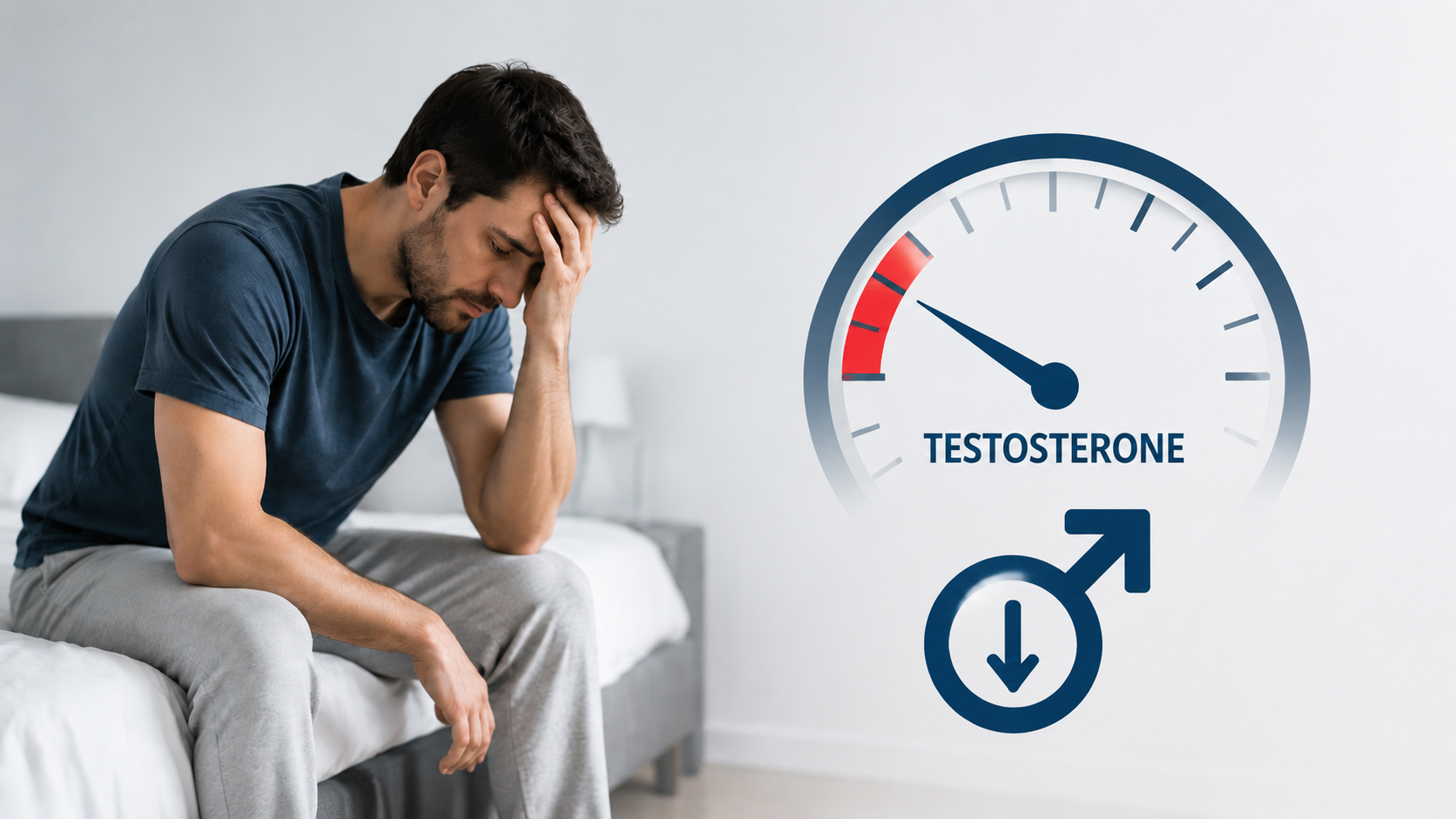
What is Low Testosterone?
Low testosterone, also known as male hypogonadism, occurs when the body does not produce adequate levels of testosterone. This hormonal imbalance can affect multiple aspects of physical and sexual health.
Testosterone plays an important role in:
- Sexual desire (libido)
- Erectile function
- Sperm production
- Muscle development
- Bone health
- Energy levels
- Mood and mental well-being
When testosterone levels become low, symptoms may gradually develop and worsen over time if left untreated.
Signs and Symptoms of Low Testosterone
The symptoms of low testosterone can vary depending on age, overall health, and hormone levels.
- Reduced Sexual Desire: A noticeable decline in libido is one of the most common symptoms.
- Erectile Dysfunction: Some men may experience difficulty achieving or maintaining erections.
- Fatigue and Low Energy: Persistent tiredness despite adequate rest may indicate hormonal imbalance.
- Reduced Muscle Mass: Loss of muscle strength and muscle mass can occur over time.
- Increased Body Fat: Hormonal changes may contribute to weight gain and increased fat accumulation.
- Mood Changes: Men with low testosterone may experience:
- Irritability
- Depression
- Reduced motivation
- Difficulty concentrating
- Decreased Bone Density: Long-term testosterone deficiency may affect bone strength and increase fracture risk.
- Reduced Fertility: Testosterone plays an important role in male reproductive health and sperm production.
What Causes Low Testosterone?
Several factors can contribute to testosterone deficiency.
Age-Related Hormonal Decline
Testosterone levels naturally decrease as men grow older.
Obesity
Excess body weight can affect hormone production and testosterone levels.
Diabetes
Chronic medical conditions such as diabetes are commonly associated with low testosterone.
Stress
Long-term physical or emotional stress may influence hormone balance.
Sleep Disorders
Poor sleep quality and sleep apnea can affect testosterone production.
Testicular Disorders
Conditions affecting the testes may interfere with hormone production.
Pituitary or Hormonal Disorders
Problems involving hormone-regulating glands can impact testosterone levels.
Certain Medications
Some medications may affect testosterone production and hormonal balance.
Who is at Risk of Low Testosterone?
You may be at increased risk if you:
- Are over 40 years of age
- Are overweight or obese
- Have diabetes
- Have chronic medical conditions
- Have sleep apnea
- Have experienced testicular injury
- Have undergone certain medical treatments
- Have a family history of hormonal disorders
How is Low Testosterone Diagnosed?
A comprehensive evaluation is necessary to accurately diagnose testosterone deficiency.
Medical History Assessment
Your doctor will discuss: Symptoms, Sexual health concerns, Medical conditions, and Lifestyle factors.
Physical Examination
A detailed examination helps identify signs of hormonal imbalance.
Blood Tests
Hormone testing may evaluate: Total testosterone, Free testosterone, Luteinizing hormone (LH), Follicle-stimulating hormone (FSH), and Prolactin levels.
Additional Investigations
Further testing may be recommended to identify underlying causes.
Low Testosterone Treatment Options
Treatment depends on the severity of symptoms, testosterone levels, age, and overall health.
Lifestyle Modifications
Healthy lifestyle habits can support natural testosterone production. Recommendations may include: Regular exercise, Weight management, Healthy nutrition, Stress reduction, and Adequate sleep.
Management of Underlying Medical Conditions
Treating conditions such as diabetes, obesity, and sleep disorders may improve hormone levels.
Testosterone Replacement Therapy (TRT)
In carefully selected patients, testosterone replacement therapy may be recommended after thorough evaluation and diagnosis. Treatment plans are individualized and monitored regularly to ensure safety and effectiveness.
Hormonal Monitoring
Regular follow-up helps assess treatment response and optimize hormone levels.
How Does Low Testosterone Affect Sexual Health?
Low testosterone may contribute to:
- Reduced Libido: A decline in sexual desire is often one of the earliest symptoms.
- Erectile Dysfunction: Although ED can have multiple causes, low testosterone may contribute to erectile difficulties in some men.
- Reduced Sexual Satisfaction: Hormonal imbalance can affect confidence, energy, and overall sexual performance.
- Fertility Concerns: Hormonal disorders can impact sperm production and reproductive health.
Can Low Testosterone Be Treated?
Yes. Many men experience significant improvement with proper diagnosis and treatment.
Benefits of treatment may include:
- Improved energy levels
- Increased libido
- Better mood and mental well-being
- Improved muscle strength
- Enhanced quality of life
Early diagnosis allows timely management and helps prevent complications associated with long-term hormone deficiency.
Why Choose MITR Urology Associates for Low Testosterone Treatment?
Experienced Andrology Specialists
Our team specializes in diagnosing and managing male hormonal and reproductive health conditions.
Comprehensive Hormonal Evaluation
We identify the root cause of testosterone deficiency before recommending treatment.
Personalized Care
Every treatment plan is tailored to individual needs and health goals.
Advanced Diagnostic Facilities
Modern testing methods help ensure accurate diagnosis and monitoring.
Confidential Consultation
We provide a professional and discreet environment for discussing men's health concerns.
Convenient Locations
Serving patients from:
- Navi Mumbai
- Kharghar
- Ulwe
- Panvel
- Nearby areas
When Should You Consult an Andrologist?
You should consider professional evaluation if you experience:
- Reduced sexual desire
- Persistent fatigue
- Erectile dysfunction
- Mood changes
- Loss of muscle mass
- Difficulty concentrating
- Fertility concerns
Early assessment can help identify hormonal imbalances and improve treatment outcomes.
Frequently Asked Questions
Testosterone levels below the normal range combined with symptoms may indicate testosterone deficiency.
Yes. Low testosterone can contribute to erectile difficulties in some men.
Hormonal imbalances may affect sperm production and reproductive health.
When prescribed appropriately and monitored by a specialist, testosterone therapy can be safe and effective for suitable candidates.
Healthy lifestyle habits may help improve hormone balance and overall well-being.
An andrologist or urologist specializing in men's health can diagnose and manage testosterone deficiency.
Testosterone levels naturally decline with age, although the rate varies among individuals.
Book a Consultation for Low Testosterone Treatment
If you are experiencing symptoms of low testosterone or male hormonal imbalance, consult the specialists at MITR Urology Associates for a comprehensive hormonal evaluation.
Our experienced andrology team provides personalized diagnosis and treatment plans to help restore hormonal balance, improve sexual health, and enhance overall quality of life.
Copyright © All Rights Reserved, By MITR Urology Associates