Welcome to MITR Hospital
What Happens If a Kidney Stone Is Left Untreated?
Kidney stones are common, and small stones may sometimes pass naturally without medical intervention. However, leaving a kidney stone untreated does not always mean that it will disappear on its own. A stone that remains in the urinary tract can grow, move, block urine flow, or contribute to infection and kidney complications.
The outcome depends on the size, location, and type of stone, as well as whether it is causing an obstruction or affecting kidney function.
If you have been diagnosed with a kidney stone in Navi Mumbai, timely evaluation by a urologist can help determine whether monitoring, medication, or a stone-removal procedure is appropriate.
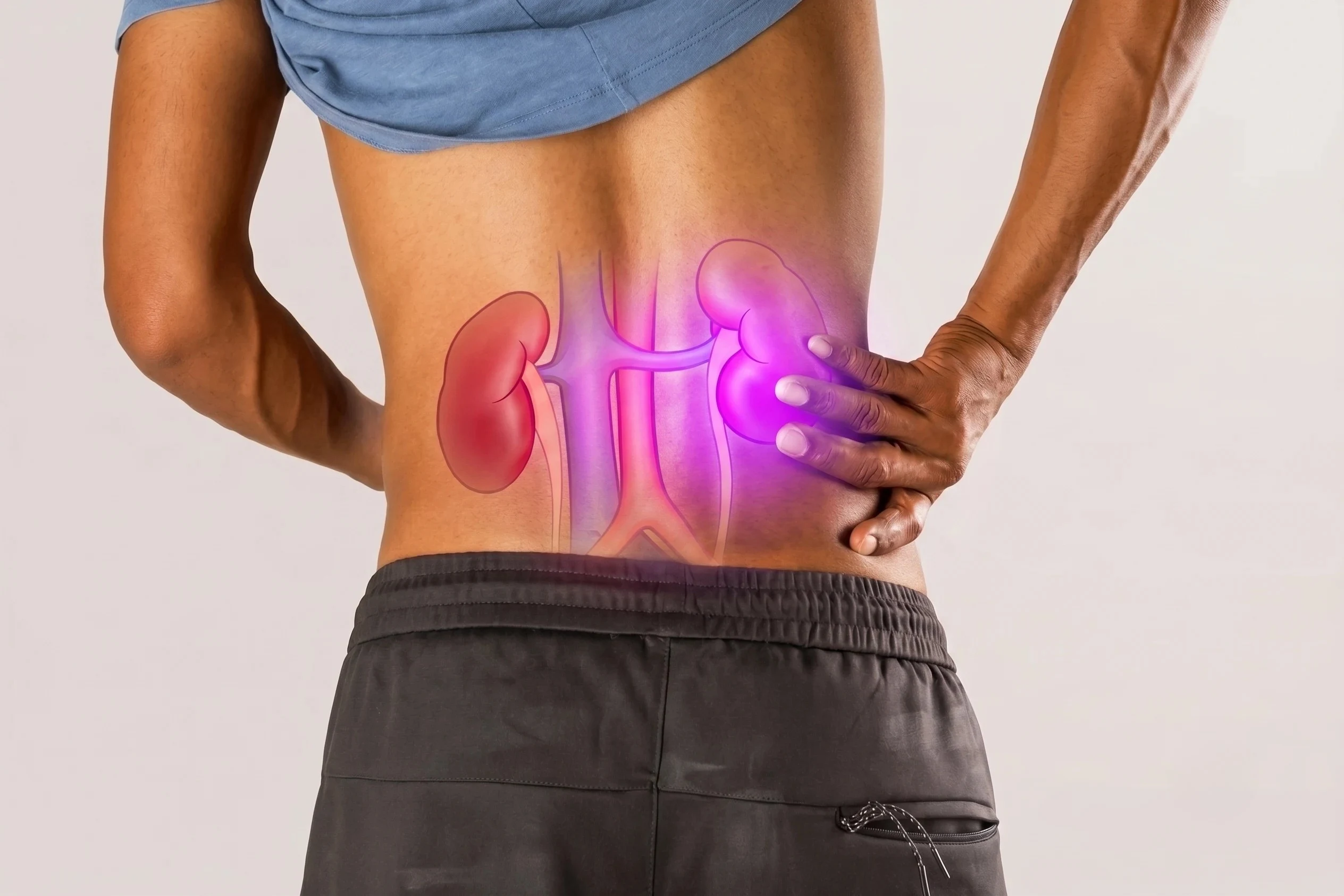
Can a Kidney Stone Go Away on Its Own?
Yes, some small kidney stones can pass naturally through the urinary tract.
The likelihood of spontaneous passage depends largely on the stone's size and location. Smaller stones are generally more likely to pass than larger stones.
However, even when a stone is small, medical guidance may be recommended to monitor its progress and make sure it is not causing an obstruction or infection.
A stone that does not pass within the expected period may require further evaluation and treatment.
What Happens If a Kidney Stone Is Left Untreated?
An untreated kidney stone may remain stable without causing significant problems, but it can also lead to complications.
1. Recurrent or Severe Pain
A stone can move from the kidney into the ureter, the narrow tube connecting the kidney to the bladder.
When this happens, it may cause severe pain known as renal colic.
Pain may be felt in:
- The side or back
- Lower abdomen
- Groin
It may come in waves and vary in intensity.
2. Urinary Tract Obstruction
One of the more serious complications occurs when a stone blocks the flow of urine.
A blockage can cause urine to build up behind the stone, increasing pressure within the urinary system.
If the obstruction persists, it may affect kidney function.
3. Kidney Swelling (Hydronephrosis)
When urine cannot drain normally, the affected kidney can become swollen. This condition is known as hydronephrosis.
Some people may have no obvious symptoms, while others experience:
- Flank pain
- Nausea
- Urinary changes
- Recurrent infections
Imaging tests such as ultrasound or CT scans can help identify urinary obstruction and kidney swelling.
4. Recurrent Urinary Tract Infections
Kidney stones can interfere with normal urine flow and create conditions that allow bacteria to remain within the urinary tract.
As a result, some patients may experience repeated urinary tract infections.
Symptoms can include:
- Burning during urination
- Frequent urination
- Fever
- Chills
- Cloudy urine
- Lower abdominal discomfort
Recurrent infections in a person with kidney stones should be evaluated by a urologist.
5. Kidney Infection
An obstructing stone combined with a urinary infection can become a serious medical problem.
Warning signs may include:
- High fever
- Chills
- Severe flank pain
- Nausea or vomiting
- Feeling extremely unwell
An infected, blocked urinary system may require urgent drainage in addition to treatment of the infection.
Fever with severe kidney stone pain should not be ignored.
6. Declining Kidney Function
A stone that causes prolonged obstruction can potentially damage the affected kidney.
The risk depends on factors such as:
- Duration of obstruction
- Degree of blockage
- Whether one or both kidneys are affected
- Presence of infection
- Baseline kidney function
If both kidneys are affected, or if a person has only one functioning kidney, obstruction can be particularly concerning.
7. Stone Growth
A kidney stone that remains in the kidney can sometimes increase in size over time.
Larger stones are generally less likely to pass naturally and may eventually require a procedure for removal.
Some stones can also develop into larger branching stones known as staghorn stones, which can occupy significant portions of the kidney's collecting system.
8. Blood in the Urine
Kidney stones can irritate the lining of the urinary tract and cause blood in the urine.
The blood may be:
- Clearly visible
- Pink or reddish
- Detected only through a urine test
Although blood in the urine can occur with kidney stones, it should not automatically be attributed to a stone without appropriate evaluation.
Does Every Kidney Stone Need Surgery?
No.
Treatment depends on the individual case.
A small stone that is likely to pass naturally may be managed with:
- Adequate hydration as advised
- Pain medication
- Medicines that may help stone passage in selected cases
- Follow-up imaging
However, a procedure may be recommended when a stone is:
- Large
- Causing persistent obstruction
- Causing recurrent infections
- Causing ongoing severe pain
- Unlikely to pass naturally
- Affecting kidney function

When Is Kidney Stone Removal Recommended?
Your urologist may recommend stone removal if the stone is unlikely to pass or is causing complications.
Common procedures include:
RIRS
Retrograde Intrarenal Surgery (RIRS) uses a flexible scope passed through the urinary tract to reach stones inside the kidney. A laser can then break the stone into smaller fragments.
It is a minimally invasive option for appropriately selected kidney stones.
Ureteroscopy and Laser Stone Surgery
A ureteroscope is used to locate the stone, which can then be fragmented or removed using laser technology.
This is commonly used for stones located in the ureter or selected kidney stones.
PCNL
Percutaneous Nephrolithotomy (PCNL) may be recommended for larger or complex kidney stones.
A small access tract is created through the back to reach and remove the stone directly from the kidney.
How Is an Untreated Kidney Stone Diagnosed?
If you have symptoms or a known stone, your urologist may recommend:
Urine Tests
These can detect:
- Blood
- Infection
- Crystals
Blood Tests
These may evaluate:
- Kidney function
- Signs of infection
- Other factors associated with stone formation
Ultrasound
Ultrasound can identify stones, urinary obstruction, and swelling of the kidney.
CT Scan
A CT scan can provide detailed information about:
- Stone size
- Stone location
- Number of stones
- Degree of obstruction
The results help your urologist decide whether observation or active treatment is appropriate.
Warning Signs That Require Prompt Medical Attention
A person with a known or suspected kidney stone should seek prompt medical attention if they develop:
- Fever or chills
- Severe or worsening pain
- Persistent vomiting
- Difficulty passing urine
- Blood in the urine
- Signs of infection
- Reduced urine output
A combination of fever and urinary obstruction can be particularly serious and should be assessed urgently.
Can You Prevent Kidney Stones From Coming Back?

Yes, although prevention depends partly on the type of stone you have.
General measures may include:
- Drinking enough fluids
- Reducing excessive salt intake
- Maintaining a healthy weight
- Following an appropriate diet
- Staying physically active
- Completing a stone analysis when recommended
- Following your urologist's preventive advice
People who repeatedly develop stones may benefit from a metabolic evaluation to identify factors contributing to stone formation.
Why Timely Kidney Stone Treatment Matters
Ignoring a kidney stone does not necessarily result in complications, but there is no reliable way to know how a stone will behave without appropriate assessment.
Timely evaluation can help determine:
- Whether the stone is likely to pass naturally
- Whether urine flow is obstructed
- Whether infection is present
- Whether kidney function is being affected
- Whether stone removal is necessary
This allows treatment to be planned before a potentially manageable problem becomes more complicated.
Kidney Stone Treatment in Navi Mumbai
If you have been diagnosed with a kidney stone in Navi Mumbai, an experienced urologist can assess the stone's size, location, and effect on your urinary system.
Depending on your condition, treatment may range from observation and medication to minimally invasive procedures such as RIRS, ureteroscopy, laser stone surgery, or PCNL.
The goal is not simply to remove the stone but also to protect kidney function and reduce the likelihood of future stones.
Why Choose MITR Urology Associates?
MITR Urology Associates provides comprehensive evaluation and treatment for kidney stone disease.
The treatment approach may include:
- Detailed clinical evaluation
- Ultrasound and advanced imaging when required
- Medical management for suitable stones
- Laser stone procedures
- RIRS
- PCNL
- Ureteroscopy
- Preventive guidance to reduce recurrence
Treatment is selected according to the patient's stone characteristics, symptoms, kidney function, and overall health.
Conclusion
A kidney stone does not always require immediate surgery, and some small stones may pass naturally. However, leaving a stone completely unchecked can increase the risk of pain, urinary obstruction, infection, kidney swelling, and, in certain cases, impaired kidney function.
If you have a known kidney stone or are experiencing symptoms such as severe flank pain, blood in your urine, or difficulty urinating, don't wait for the symptoms to worsen. Book an appointment with the urology team at MITR Urology Associates for a detailed evaluation and personalized kidney stone treatment plan.
Take Charge of Your Health Today
Book a Consultation with a SpecialistCopyright © All Rights Reserved, By MITR Urology Associates