Welcome to MITR Hospital
TURP Surgery Explained: What to Expect Before & After
Benign Prostatic Hyperplasia (BPH), commonly known as an enlarged prostate, is one of the most common health concerns affecting aging men. While medications can help manage mild to moderate symptoms, some men eventually require a surgical procedure to restore normal urine flow and improve their quality of life.
One of the most trusted and widely performed procedures for treating prostate enlargement is TURP (Transurethral Resection of the Prostate). Often considered the gold standard treatment for moderate to severe BPH, TURP has helped millions of men achieve long-term relief from urinary symptoms.
If your doctor has recommended TURP surgery in Navi Mumbai, understanding the procedure, recovery process, and expected outcomes can help you feel more confident and prepared.
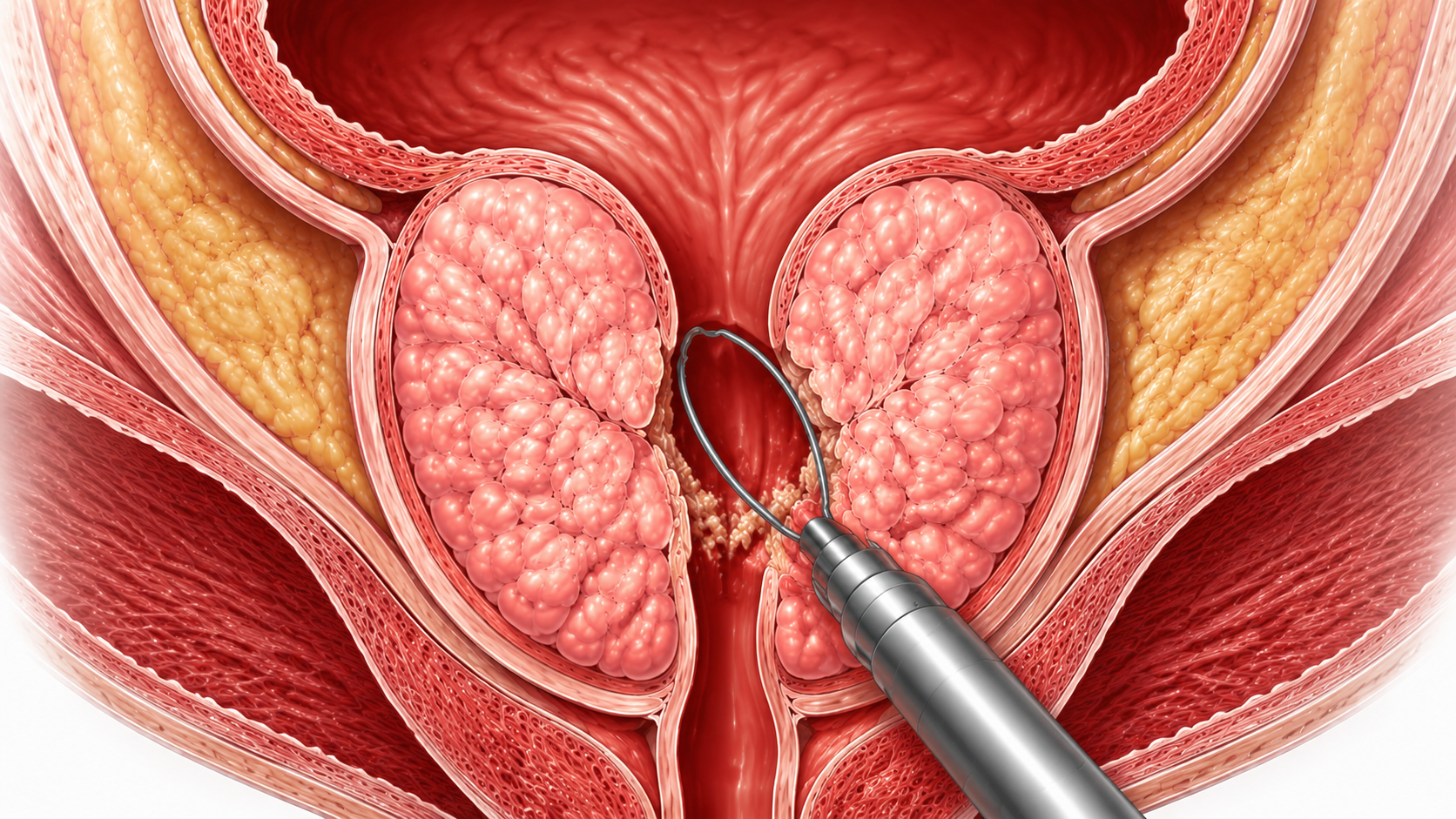
What Is TURP Surgery?
TURP stands for Transurethral Resection of the Prostate. It is a minimally invasive surgical procedure used to remove excess prostate tissue that is blocking urine flow.
Unlike traditional open surgery, TURP does not require external incisions. Instead, a special instrument called a resectoscope is inserted through the urethra to access and remove the enlarged portion of the prostate.
The procedure creates more space for urine to flow freely from the bladder, relieving symptoms caused by prostate enlargement.
Why Is TURP Performed?
TURP is commonly recommended when an enlarged prostate causes significant urinary problems that do not improve with medication.
The procedure may be advised for men experiencing:
- Frequent urination
- Weak urine stream
- Difficulty starting urination
- Interrupted urine flow
- Urinary urgency
- Waking up multiple times at night to urinate
- Incomplete bladder emptying
- Recurrent urinary tract infections
- Urinary retention
TURP is designed to improve urinary function and prevent complications associated with untreated prostate enlargement.
Who Is a Good Candidate for TURP Surgery?
You may be a suitable candidate if:
- Medications are no longer effective
- Symptoms significantly affect daily life
- The prostate is moderately enlarged
- You experience recurrent urinary retention
- Bladder function is being affected
- Recurrent infections occur due to incomplete bladder emptying
A urologist will evaluate your symptoms, prostate size, overall health, and diagnostic test results before recommending surgery.
Preparing for TURP Surgery
Proper preparation helps ensure a smooth procedure and recovery.
Medical Evaluation
Before surgery, your doctor may recommend:
- Blood tests
- Urine analysis
- Ultrasound examination
- PSA testing if required
- ECG and fitness assessment
These tests help determine whether you are fit for surgery and identify any underlying medical concerns.
Medication Review
Your doctor may advise temporary adjustments to certain medications, especially:
- Blood thinners
- Antiplatelet medications
- Certain diabetes medications
Always follow your surgeon's instructions carefully.
Fasting Before Surgery
Patients are usually instructed not to eat or drink for several hours before the procedure. The exact duration depends on the type of anesthesia being used.
What Happens During TURP Surgery?
TURP is typically performed under spinal or general anesthesia. The surgery generally takes between 60 and 90 minutes, depending on the size of the prostate and complexity of the case.
Step 1: Anesthesia
The patient receives anesthesia to ensure comfort throughout the procedure.
Step 2: Insertion of the Resectoscope
A thin instrument called a resectoscope is inserted through the urethra. No external cuts or stitches are required.
Step 3: Removal of Excess Prostate Tissue
The surgeon carefully removes the portion of the prostate that is obstructing urine flow.
Step 4: Catheter Placement
At the end of the procedure, a urinary catheter is temporarily placed to help drain urine and support healing.
What to Expect Immediately After TURP Surgery
Following surgery, patients are monitored in the recovery area before being transferred to their hospital room.
Common experiences include:
- Mild discomfort
- Presence of a urinary catheter
- Slight blood in urine
- Frequent urge to urinate
These symptoms are usually temporary and improve during recovery.
Hospital Stay After TURP
Most patients remain in the hospital for one to three days, depending on overall health, recovery progress, amount of prostate tissue removed, and presence of other medical conditions. The urinary catheter is generally removed once normal urination improves.
Recovery After TURP Surgery
Recovery is gradual, and most patients notice significant improvement in urinary symptoms over the following weeks. Full recovery timelines may vary from person to person.
First Week
Patients may experience mild burning during urination, small amounts of blood in urine, increased urinary frequency, and temporary urgency. These symptoms are generally part of the normal healing process.
Two to Four Weeks
Most men begin noticing improved urine flow, better bladder emptying, reduced urinary urgency, and less nighttime urination. Light daily activities can usually be resumed during this period.
Four to Six Weeks
By this stage, many patients experience significant symptom relief, improved sleep quality, better bladder control, and a return to normal routine activities.
Tips for a Smooth Recovery
To support healing after TURP surgery:
Drink Plenty of Water
Adequate hydration helps flush the urinary system and promotes healing.
Avoid Heavy Lifting
Strenuous activities should be avoided during the recovery period.
Follow Medication Instructions
Take all prescribed medications exactly as directed.
Prevent Constipation
Straining during bowel movements may increase pressure on the healing area. A high-fiber diet and adequate fluid intake can help.
Attend Follow-Up Appointments
Regular follow-up visits allow your urologist to monitor recovery and address any concerns.
Benefits of TURP Surgery
TURP remains one of the most effective treatments for enlarged prostate symptoms.
Improved Urine Flow
Patients often experience a stronger and more consistent urinary stream.
Better Bladder Emptying
The procedure helps reduce residual urine and associated complications.
Reduced Nighttime Urination
Many patients enjoy uninterrupted sleep after treatment.
Long-Term Symptom Relief
TURP offers durable results for most men.
Improved Quality of Life
Relief from bothersome urinary symptoms can significantly improve daily comfort and confidence.
Are There Any Risks?
TURP is generally considered a safe and well-established procedure. However, like any surgery, certain risks may exist.
Potential complications include:
- Temporary bleeding
- Urinary tract infection
- Temporary difficulty controlling urine
- Retrograde ejaculation
- Rare need for additional treatment
Most complications are uncommon and can be effectively managed with appropriate medical care.
How Successful Is TURP Surgery?
TURP has a long history of excellent clinical outcomes and patient satisfaction. Most men experience significant improvement in urinary symptoms, better urine flow, reduced urinary retention, and an improved quality of life. Many patients continue to enjoy the benefits of the procedure for years after surgery.
Why Choose TURP Surgery in Navi Mumbai?
Modern urology centers in Navi Mumbai offer advanced facilities, experienced urologists, and comprehensive prostate care.
Patients benefit from:
- Advanced diagnostic evaluation
- Modern surgical equipment
- Personalized treatment planning
- Minimally invasive approaches
- Comprehensive postoperative care
Choosing an experienced urology team plays an important role in achieving the best possible outcome.
When Should You Consult a Urologist?
Seek medical evaluation if you experience any of the following: frequent urination, weak urine stream, difficulty starting urination, incomplete bladder emptying, recurrent urinary infections, urinary retention, or persistent nighttime urination. Early treatment can help prevent complications and improve long-term urinary health.
Conclusion
TURP surgery remains one of the most effective and reliable treatments for men suffering from moderate to severe prostate enlargement. The procedure is minimally invasive, offers long-lasting symptom relief, and significantly improves urinary function and quality of life.
Understanding what to expect before and after TURP surgery can help patients approach treatment with confidence. With proper preparation, expert surgical care, and adherence to recovery guidelines, most men achieve excellent outcomes and return to normal daily activities within a few weeks.
Copyright © All Rights Reserved, By MITR Urology Associates