Welcome to MITR Hospital
Testicular Pain: When Should You See a Urologist?
Testicular pain can be uncomfortable, worrying and sometimes difficult to discuss. It may occur suddenly after an injury or develop gradually without an obvious reason. While some causes are relatively minor, others require urgent medical treatment.
Testicular pain can result from conditions affecting the testicles themselves, the epididymis, blood vessels or surrounding tissues. Pain can also sometimes be referred from another area, such as the groin, abdomen or urinary tract.
Knowing when testicular pain requires immediate attention is particularly important. One of the most serious causes is testicular torsion, in which the spermatic cord twists and cuts off the testicle's blood supply. This is a medical emergency.
For men seeking Testicular Disease Treatment in Navi Mumbai, understanding the possible causes and warning signs can help ensure that the right treatment is sought at the right time.
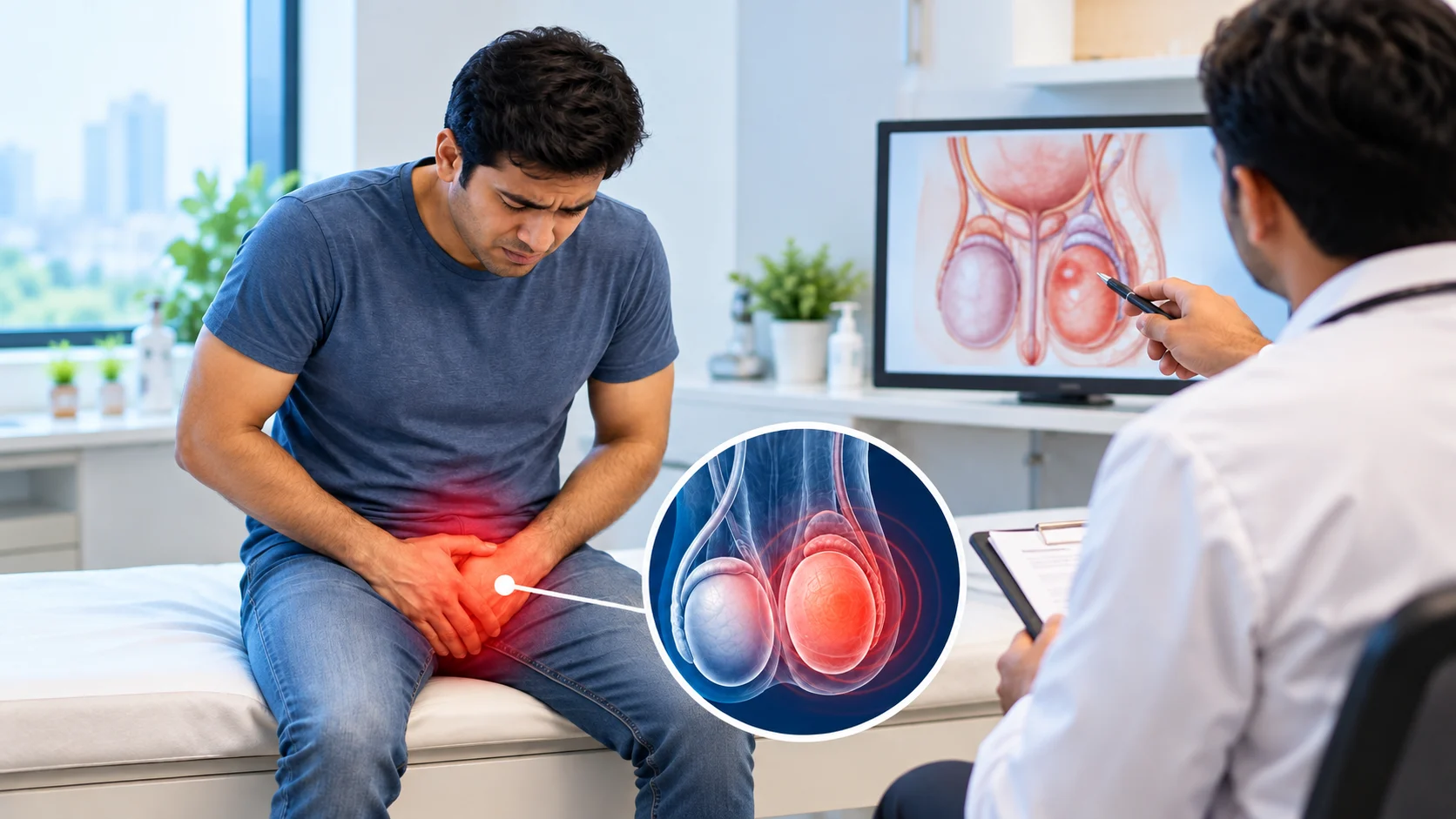
What Does Testicular Pain Feel Like?
Testicular pain can range from a mild ache to severe, sudden pain.
You may experience:
- Pain in one or both testicles
- A dull ache in the scrotum
- Sharp or severe pain
- Pain that spreads to the groin or lower abdomen
- Tenderness when touching the testicle
- Swelling or heaviness in the scrotum
- Pain that becomes worse with movement
- Discomfort during urination or ejaculation
The pattern and duration of the pain can provide useful clues, but they are not enough to determine the cause on their own.
When Is Testicular Pain an Emergency?
Sudden and severe testicular pain should be treated as a medical emergency.
One important possibility is testicular torsion. When the testicle twists, its blood supply can become blocked. Without prompt treatment, permanent damage can occur.
Seek emergency medical attention if you experience:
- Sudden, severe pain in one testicle
- Rapid swelling of the scrotum
- Testicular pain with nausea or vomiting
- Severe abdominal pain along with testicular pain
- A testicle that appears higher than usual or sits at an unusual angle
- Sudden pain that disappears without treatment
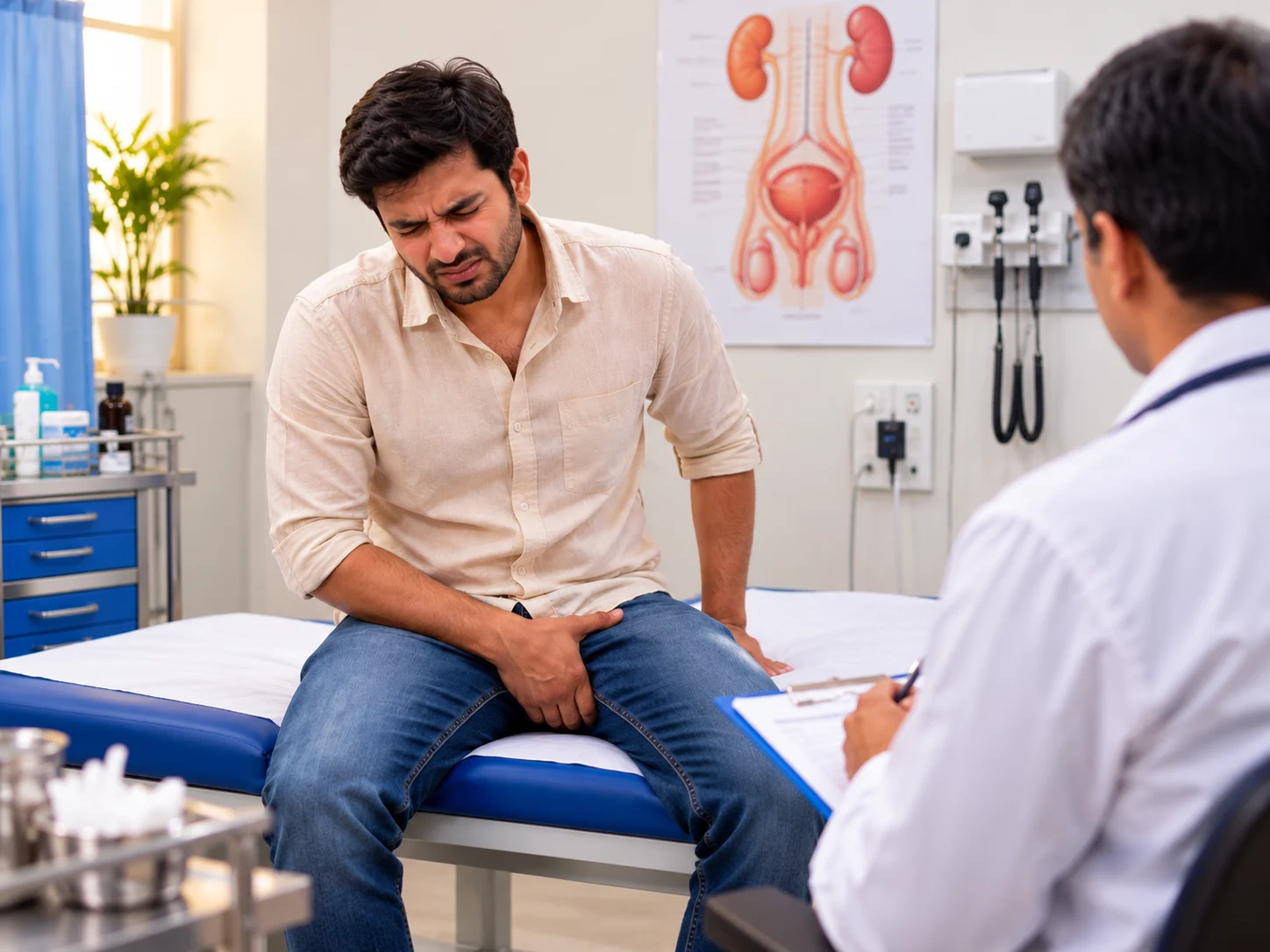
Importantly, pain that suddenly improves does not necessarily mean the problem has resolved. Intermittent twisting and untwisting can occur and still requires prompt medical assessment.
Common Causes of Testicular Pain
There are many possible causes of testicular pain. Some originate within the scrotum, while others cause referred pain from nearby structures.
1. Testicular Torsion
Testicular torsion occurs when the testicle rotates and twists the spermatic cord.
This can restrict or completely stop blood flow to the testicle.
Typical symptoms include:
- Sudden severe pain
- Swelling
- Nausea or vomiting
- Abdominal pain
- A testicle positioned higher than normal
Torsion requires urgent treatment, usually surgery, to restore blood flow and prevent permanent damage.
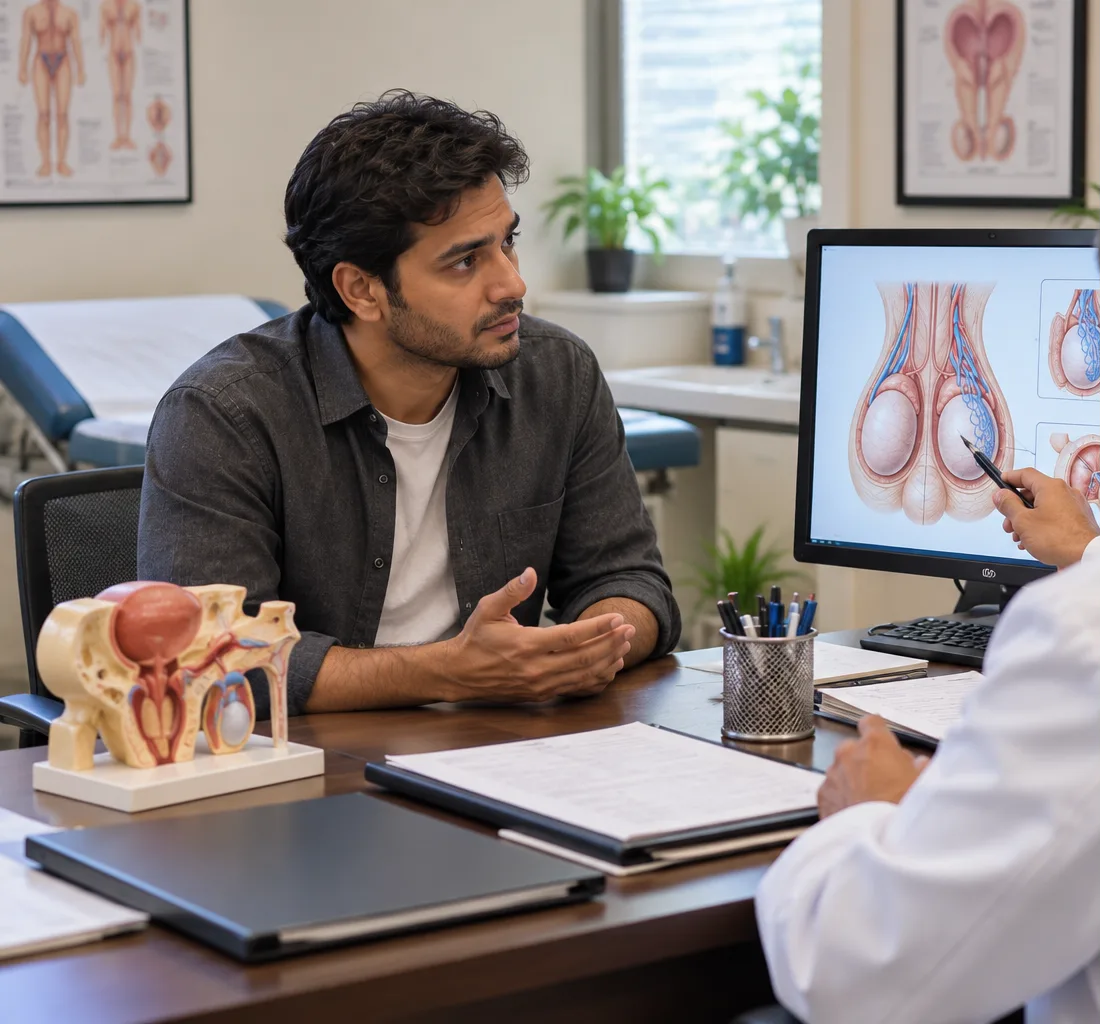
2. Epididymitis
The epididymis is a small tube located behind the testicle that stores and transports sperm.
Epididymitis occurs when this structure becomes inflamed. It is often caused by an infection and can sometimes be associated with sexually transmitted infections.
Symptoms may include:
- Gradually developing pain, usually on one side
- Scrotal swelling
- Tenderness
- Burning during urination
- Frequent or urgent urination
- Penile discharge
- Lower abdominal or pelvic discomfort
- Occasionally, fever
Treatment depends on the cause and may include antibiotics when a bacterial infection is confirmed or suspected.
3. Orchitis
Orchitis is inflammation of one or both testicles.
It may be caused by viral or bacterial infections and can cause:
- Testicular pain
- Swelling
- Fever
- Nausea
- General feeling of illness
Rapidly developing scrotal pain or swelling should be assessed promptly because orchitis can resemble testicular torsion.
4. Varicocele
A varicocele is an enlargement of the veins around the testicle.
Some men do not experience symptoms, while others may notice:
- A dull aching sensation
- Heaviness in the scrotum
- Discomfort that becomes more noticeable after standing or physical activity
- A feeling of enlarged or prominent veins
Varicocele can also be associated with abnormal semen parameters and male infertility in some men.
Treatment is not always necessary. A urologist may recommend treatment depending on symptoms, fertility concerns and clinical findings.
5. Hydrocele
A hydrocele occurs when fluid accumulates around the testicle.
It commonly causes painless swelling, but some men may experience heaviness or discomfort if the swelling becomes significant.
Treatment depends on the size, symptoms and underlying cause.
6. Inguinal Hernia
An inguinal hernia occurs when tissue pushes through a weak area in the abdominal wall and may extend toward the groin or scrotum.
It can cause:
- Groin discomfort
- Scrotal swelling
- A visible or palpable bulge
- Pain that becomes worse with coughing, lifting or standing
A doctor can determine whether the symptoms are coming from a hernia rather than a testicular problem.
7. Testicular Injury
A direct blow to the testicles during sports, an accident or another activity can cause pain and swelling.
Minor injuries may improve with rest and supportive care, but significant trauma can damage the testicle.
Severe pain, substantial swelling, bruising or persistent symptoms after an injury should be medically assessed.
8. Kidney Stones
Pain caused by a kidney stone can sometimes travel from the side or back toward the groin and testicle.
In these situations, the testicle itself may not be the source of the problem.
Other symptoms may include:
- Severe side or back pain
- Groin pain
- Blood in the urine
- Nausea or vomiting
- Burning while urinating
A proper evaluation can help distinguish referred pain from a condition originating in the testicle.
9. Prostatitis or Urinary Infections
Inflammation or infection involving the prostate or urinary tract can sometimes cause pain that is felt in the testicles or surrounding area.
Urinary symptoms such as burning, frequency or difficulty passing urine may occur alongside the pain.
Treating the underlying urinary or prostate condition may resolve the referred testicular discomfort.
Does Testicular Pain Mean Cancer?
Pain alone is not usually the typical presentation of testicular cancer. A testicular lump, swelling or change in the size, shape or feel of a testicle should be evaluated, even if there is no pain.
Possible changes that should be checked include:
- A new lump
- One testicle becoming larger
- A change in shape
- A feeling of heaviness
- A firm or hard area
- Persistent swelling
- A change in how the testicle feels
Most testicular lumps or swelling are not cancer, but examination is important to determine the cause.
When Should You See a Urologist?
You should arrange a medical evaluation if:
- Mild testicular pain persists for more than a few days
- Pain keeps returning
- You notice swelling
- You find a lump
- One testicle becomes larger than the other
- The shape or consistency of a testicle changes
- You have pain with urination
- You notice penile discharge
- You have pain during ejaculation
- You have fertility concerns alongside testicular symptoms

Persistent or recurrent symptoms should not simply be ignored.
How Is Testicular Pain Diagnosed?
The first step is a detailed medical history and physical examination.
Your urologist may ask:
- When did the pain begin?
- Did it develop suddenly or gradually?
- Is the pain on one side or both?
- Have you experienced an injury?
- Do you have urinary symptoms?
- Is there penile discharge?
- Have you had previous infections?
- Are there fertility concerns?
- Does the pain change with activity or standing?
Scrotal Ultrasound
A scrotal ultrasound with Doppler is commonly used when further investigation is required.
It can provide information about:
- Testicular blood flow
- Swelling
- Fluid collections
- Varicocele
- Masses
- Inflammation
Reduced blood flow may support the diagnosis of testicular torsion, although clinical assessment remains critical and imaging should not cause dangerous delays when torsion is strongly suspected.
Urine and Blood Tests
Urine or blood tests may be recommended when infection or inflammation is suspected.
STI Testing
If symptoms suggest a sexually transmitted infection, appropriate testing may be advised.
Additional Tests
Depending on the findings, your doctor may recommend further imaging or other investigations.
How Is Testicular Pain Treated?
Treatment depends entirely on the underlying cause.
Testicular Torsion
Testicular torsion generally requires emergency surgery to untwist the testicle and restore blood flow. The testicle may also be secured to reduce the risk of torsion happening again.
Epididymitis or Infection
When bacterial infection is responsible, appropriate antibiotics may be prescribed.
Rest, scrotal support and other measures may also help relieve discomfort during recovery.
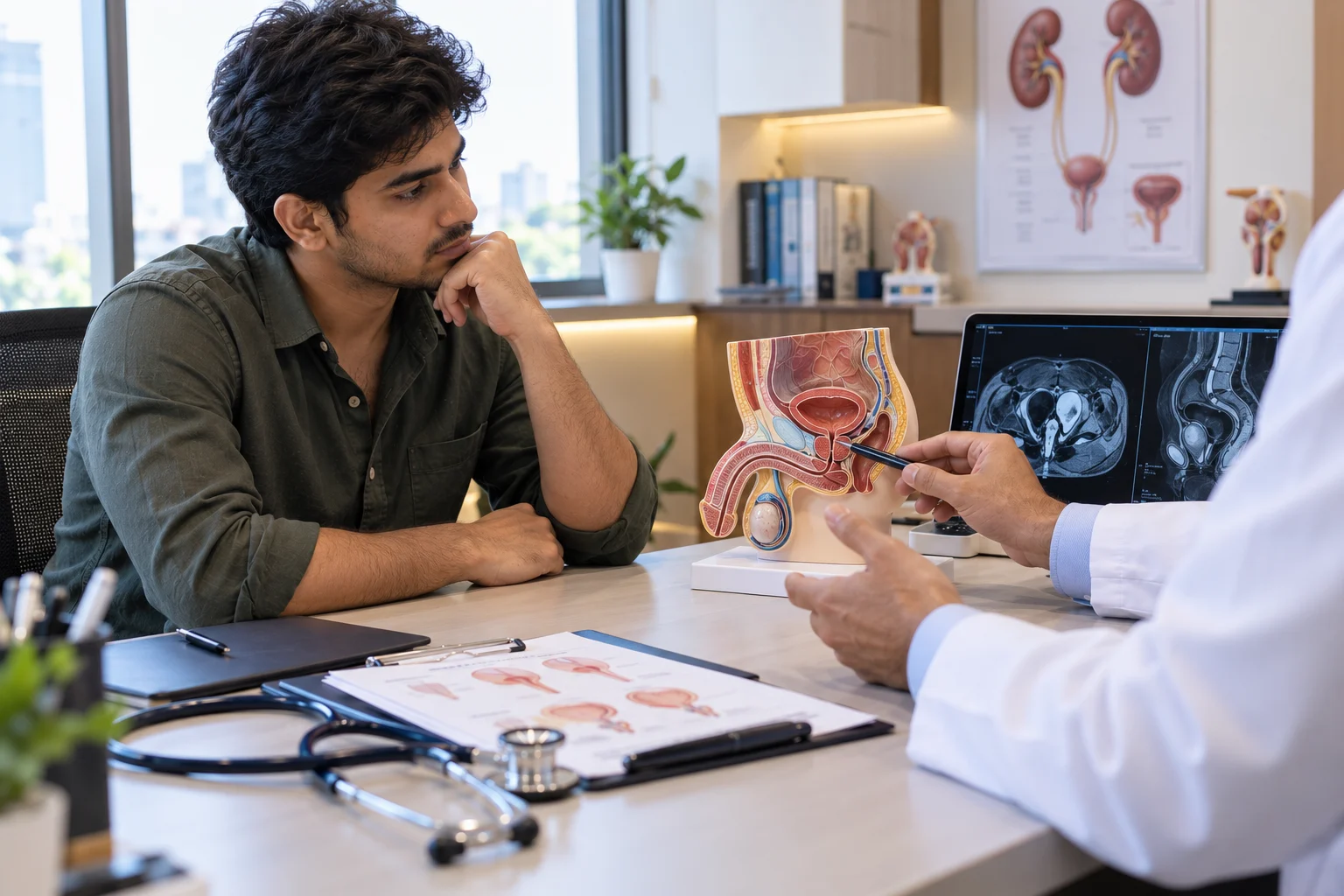
Varicocele
A varicocele may simply be monitored if it causes no significant symptoms or fertility problems.
Treatment may be considered when there is persistent pain, certain fertility-related concerns or other clinical indications.
Hydrocele
Small or asymptomatic hydroceles may sometimes be observed.
If the swelling becomes large or uncomfortable, surgical treatment may be considered.
Hernia
An inguinal hernia may require surgical repair depending on its symptoms and characteristics.
Testicular Injury
Treatment depends on the severity of the injury. Minor injuries may require rest and pain management, while significant trauma may need urgent assessment or surgery.
Can Testicular Pain Affect Fertility?
Not every cause of testicular pain affects fertility.
However, certain conditions involving the testicles can potentially affect sperm production or reproductive function. Varicocele, some infections, testicular injury and conditions affecting blood supply may be relevant.
If you are experiencing persistent testicular pain and are also concerned about fertility, tell your urologist. This allows reproductive health to be considered as part of the evaluation.
Should You Wait for Testicular Pain to Go Away?
It depends on the pattern and severity.
Do not wait if the pain is sudden and severe. Testicular torsion needs urgent assessment and treatment.
For mild but persistent pain, arrange a medical appointment rather than repeatedly treating the symptom yourself.
The cause may be something relatively straightforward to treat, but it is difficult to determine that without an appropriate examination.
What Can You Do While Waiting for an Appointment?
For mild pain that is not sudden or severe, general supportive measures may sometimes provide temporary comfort.
These can include:
- Resting
- Avoiding strenuous physical activity
- Wearing supportive underwear
- Using a cold pack wrapped in cloth for short periods
Pain medication may be appropriate for some people, but it is important to consider your existing medical conditions and medications before taking it.
These measures should not be used to delay emergency assessment when severe or sudden testicular pain occurs.
Choosing Testicular Disease Treatment in Navi Mumbai
Testicular pain can have very different causes, ranging from infections and varicocele to conditions that require emergency treatment.
If you are looking for Testicular Disease Treatment in Navi Mumbai, an experienced urologist can assess your symptoms and determine whether the problem is related to the testicle, epididymis, urinary tract, prostate or another nearby structure.
Early evaluation is particularly important when pain is sudden, severe or accompanied by swelling.
Frequently Asked Questions
No. Testicular pain can have several causes, including minor injury, varicocele or inflammation. However, sudden severe pain can indicate testicular torsion and requires emergency medical attention.
Some mild causes may improve, but persistent or recurrent pain should be evaluated. Do not wait for severe or sudden pain to resolve because some causes require urgent treatment.
No. It is more common in adolescents, but testicular torsion can occur at any age.
Yes. Some men with varicocele experience a dull ache or heaviness, particularly after prolonged standing or physical activity.
Urinary or prostate infections can sometimes cause pain felt in or around the testicles. Epididymitis can also cause testicular pain and may be associated with urinary symptoms.
Not usually. Testicular cancer more commonly presents with a lump, swelling or a change in the size, shape or feel of the testicle. Any new testicular change should still be checked by a doctor.
Conclusion
Testicular pain should not be ignored, particularly when it is sudden, severe or associated with swelling. While infections, varicocele, injuries and other conditions can cause discomfort, testicular torsion is a medical emergency that requires immediate treatment.
A urologist can determine the cause through a physical examination, medical history and, when appropriate, ultrasound or laboratory testing. Treatment may range from medication and observation to surgery, depending on the diagnosis.
If you have persistent testicular pain, swelling, a lump or changes in the size or feel of a testicle, book an appointment with the experienced urology team at MITR Urology Associates for appropriate evaluation and personalised Testicular Disease Treatment in Navi Mumbai.
Consult a Urology Specialist
Don't ignore testicular pain or swelling. Book an appointment with the experienced urology and andrology team at MITR Urology Associates to receive prompt, comprehensive diagnosis and advanced personalized care.
Take Charge of Your Health Today
Book a Consultation with a SpecialistCopyright © All Rights Reserved, By MITR Urology Associates