Welcome to MITR Hospital
Robotic Urology Surgery: Everything You Need to Know
Medical technology has transformed the way many urological conditions are diagnosed and treated. One of the most important advances is robotic-assisted urology surgery, a minimally invasive approach that allows surgeons to perform complex procedures with enhanced precision and visualization.
Robotic surgery is increasingly used for selected conditions involving the prostate, kidneys, bladder, and other parts of the urinary system. Compared with traditional open surgery, it can offer benefits such as smaller incisions, reduced blood loss, less postoperative discomfort, and faster recovery in appropriately selected patients.
If you are considering Robotic Urology Surgery in Navi Mumbai, understanding how the procedure works, where it is used, its benefits, and what recovery involves can help you have a more informed discussion with your urologist.
What Is Robotic Urology Surgery?
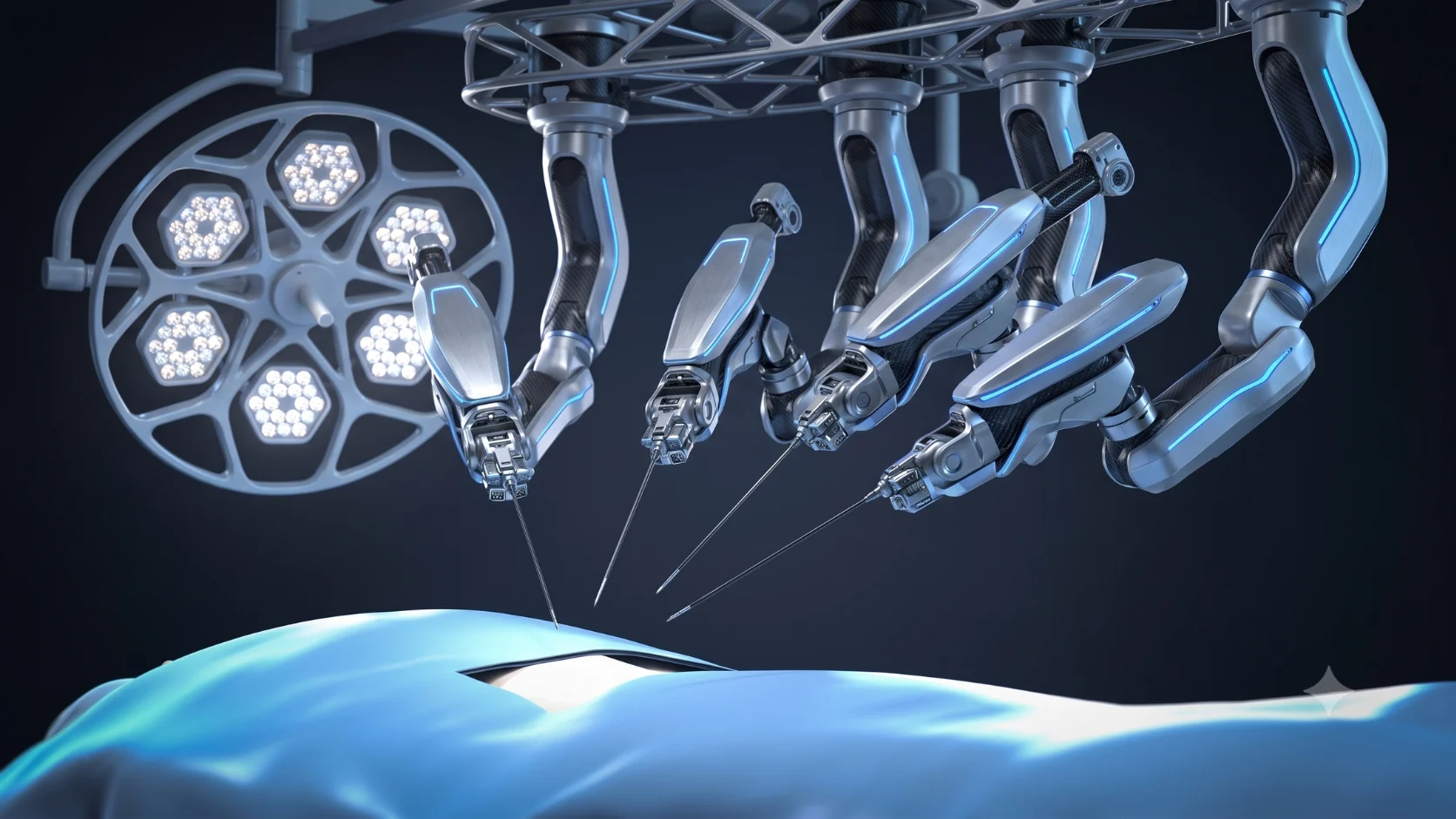
Robotic urology surgery is a form of minimally invasive surgery in which a specially trained surgeon controls robotic surgical instruments from a console.
The robotic system typically consists of:
- A high-definition camera
- Small surgical instruments
- A surgeon's control console
- A robotic system that translates the surgeon's hand movements into precise instrument movements
Despite the term "robotic surgery," the robot does not independently perform the operation. The surgeon remains in complete control throughout the procedure.
The technology provides enhanced visualization and allows precise movements in areas that may be difficult to access through conventional surgery.
Which Urological Conditions Can Be Treated With Robotic Surgery?
Robotic-assisted surgery is particularly useful for selected complex procedures.
1. Prostate Cancer
Robotic-assisted radical prostatectomy may be recommended for selected men with localized prostate cancer.
The procedure involves removing the prostate gland and, when appropriate, nearby tissues or lymph nodes.
One of the goals is to remove the cancer while preserving surrounding structures whenever medically appropriate.
2. Kidney Cancer
Robotic surgery may be used for selected kidney tumors.
Depending on the tumor's size and location, the surgeon may perform:
Partial Nephrectomy
Only the tumor and a small margin of surrounding tissue are removed, preserving the remaining healthy kidney whenever possible.
Radical Nephrectomy
The entire affected kidney is removed when partial removal is not appropriate.
3. Bladder Cancer
Robotic-assisted radical cystectomy may be an option for selected patients with muscle-invasive bladder cancer.
The procedure involves removing the bladder and creating a new pathway for urine to leave the body.
4. Reconstructive Urological Procedures
In selected cases, robotic technology may also be used for complex reconstructive procedures involving the urinary tract.
The exact application depends on the patient's condition and the surgeon's expertise.
How Does Robotic Urology Surgery Work?
The procedure generally involves several stages.
Step 1: General Anesthesia
The patient is placed under general anesthesia and remains asleep throughout the procedure.
Step 2: Small Incisions
Several small incisions are made in the abdomen to accommodate the camera and surgical instruments.
Step 3: Camera Placement
A high-definition camera provides a magnified view of the surgical area.
Step 4: Robotic Instruments
The surgeon controls specialized instruments from a console.
The instruments can rotate and move with a high degree of precision, allowing delicate surgical movements.
Step 5: Completion of the Procedure
Once the required tissue has been removed or repaired, the instruments are withdrawn and the small incisions are closed.
Benefits of Robotic Urology Surgery
Robotic-assisted procedures can offer several potential advantages for appropriately selected patients.
Smaller Incisions
Unlike traditional open surgery, robotic procedures generally require several small incisions rather than one large incision.
This can result in less tissue trauma and smaller scars.
Reduced Blood Loss
The precision of robotic instruments and advanced surgical techniques may reduce blood loss during certain procedures.
Less Postoperative Pain
Smaller incisions may result in less discomfort following surgery.
Faster Recovery
Many patients can return to normal activities sooner compared with traditional open procedures, although recovery varies depending on the operation and individual health.
Shorter Hospital Stay
Selected patients may be discharged earlier after minimally invasive robotic procedures.
Enhanced Visualization
The surgeon receives a magnified, high-definition view of the operating area, which can be particularly useful when working around delicate structures.
Precise Surgical Movements
Robotic instruments provide a greater range of movement than some conventional laparoscopic instruments, allowing the surgeon to perform intricate procedures in confined spaces.
Is Robotic Surgery Better Than Traditional Surgery?
Robotic surgery is not automatically better for every patient.
The appropriate surgical technique depends on:
- Type of urological condition
- Tumor size and location
- Disease stage
- Previous surgeries
- Overall health
- Surgeon's expertise
- Available technology
For some patients, robotic surgery can provide important advantages. In other situations, conventional laparoscopic, endoscopic, or open surgery may be more appropriate.
The goal should always be to choose the safest and most effective treatment for the individual patient, rather than choosing a procedure simply because it uses newer technology.
Robotic Surgery vs Open Surgery
| Feature | Robotic Surgery | Traditional Open Surgery |
|---|---|---|
| Incisions | Several small incisions | Usually one larger incision |
| Visualization | Magnified 3D/high-definition view | Direct surgical view |
| Blood loss | Often lower in suitable procedures | May be higher |
| Postoperative pain | Generally less | May be greater |
| Hospital stay | Often shorter | May be longer |
| Recovery | Often faster | Usually longer |
| Scarring | Smaller scars | Larger scar |
These differences can vary depending on the specific procedure and the patient's condition.
What Happens Before Robotic Surgery?
Before surgery, your urologist will perform a detailed evaluation.
This may include:
- Medical history
- Physical examination
- Blood tests
- Urine tests
- Ultrasound
- CT scan or MRI when required
- ECG and anesthesia assessment
- Disease-specific investigations
Your doctor will also review any medications you are taking, particularly blood-thinning medicines.
Do not stop or change prescribed medication without medical advice.
What Is Recovery Like?
Recovery depends on the type of robotic procedure performed.
Immediately after surgery, patients are monitored for:
- Pain
- Blood pressure
- Urine output
- Bleeding
- Other postoperative concerns
A urinary catheter may be required temporarily following certain procedures, particularly prostate and bladder surgeries.
During the early recovery period, patients are usually encouraged to walk as advised, maintain hydration, and gradually increase activity.
How Long Does It Take to Recover?
Recovery varies significantly depending on the operation.
For many procedures, patients can return to light daily activities relatively quickly, while complete recovery may take several weeks.
Your surgeon will provide specific instructions regarding:
- Work
- Exercise
- Driving
- Sexual activity
- Heavy lifting
- Follow-up appointments
Following these instructions can help support a smooth recovery.
Are There Any Risks?
Robotic surgery is generally considered safe when performed by an appropriately trained surgical team, but it is still major surgery and carries potential risks.
Possible complications may include:
- Bleeding
- Infection
- Blood clots
- Injury to nearby organs
- Urinary problems
- Temporary or persistent functional changes
- Risks related to anesthesia
The risks vary according to the procedure and your individual health.
Your urologist should explain the expected benefits, alternatives, and potential complications before surgery.
Does Robotic Surgery Guarantee Better Results?
No surgical technology can guarantee a particular outcome.
The results of robotic surgery depend on factors such as:
- The underlying disease
- Stage and severity
- Patient's overall health
- Surgical complexity
- Surgeon's experience
- Postoperative care
For cancer surgery, the primary objective remains effective cancer control. Functional preservation and recovery are also important considerations when clinically appropriate.
How to Prepare for Robotic Surgery
Your healthcare team will provide specific preparation instructions, but these may include:
- Completing preoperative tests
- Following fasting instructions
- Reviewing medications
- Stopping smoking
- Maintaining good nutrition
- Arranging transportation and home support
- Following bowel preparation instructions if required
Preparing your home and arranging assistance for the first few days can also make recovery easier.
What Questions Should You Ask Your Urologist?
Before deciding on robotic surgery, consider asking:
- Why do I need surgery?
- Is robotic surgery appropriate for my condition?
- What are my alternative treatment options?
- What are the potential benefits and risks?
- How frequently do you perform this procedure?
- How long will I stay in the hospital?
- How long is the expected recovery?
- Will I need a urinary catheter?
- What follow-up care will I require?
Understanding your options allows you to make an informed decision about your treatment.
Who Is a Good Candidate for Robotic Urology Surgery?
Not every patient is a candidate.
Robotic surgery may be considered when:
- Minimally invasive surgery is appropriate
- The condition can be effectively treated using a robotic approach
- The patient's overall health allows surgery
- The surgeon has appropriate experience with the procedure
A detailed consultation and imaging assessment are necessary before making a recommendation.
Choosing Robotic Urology Surgery in Navi Mumbai
If you are considering Robotic Urology Surgery in Navi Mumbai, don't choose a treatment centre based only on the availability of a robotic system.
Consider:
- The urologist's qualifications
- Experience with the specific robotic procedure
- Hospital and anesthesia facilities
- Surgical team expertise
- Postoperative care
- Follow-up services
- The doctor's willingness to discuss alternatives
The surgeon's experience and appropriate patient selection remain essential components of successful robotic surgery.
Why Choose MITR Urology Associates?
MITR Urology Associates provides comprehensive evaluation and treatment for a range of urological conditions, including prostate, kidney, bladder, and men's health concerns.
The team focuses on:
- Accurate diagnosis
- Individualized treatment planning
- Minimally invasive surgical approaches
- Robotic-assisted urological procedures when appropriate
- Comprehensive postoperative care
- Long-term follow-up
Patients considering robotic treatment can discuss whether the approach is suitable for their specific condition and understand the expected benefits, risks, and recovery.
Conclusion
Robotic urology surgery has become an important part of modern minimally invasive urological care. By combining high-definition visualization with precise surgical instruments, robotic technology can help surgeons perform complex procedures through smaller incisions.
However, robotic surgery is not automatically the right choice for every patient. The most appropriate treatment depends on the condition being treated, its severity, the patient's overall health, and the surgeon's expertise.
If you have been advised to undergo urological surgery or want to understand whether a minimally invasive approach is suitable for you, book an appointment with the experienced urology team at MITR Urology Associates for a detailed evaluation and personalized treatment recommendation.
Take Charge of Your Health Today
Book a Consultation with a SpecialistCopyright © All Rights Reserved, By MITR Urology Associates