Welcome to MITR Hospital
RIRS Surgery Recovery: What to Expect After Kidney Stone Treatment
Kidney stone treatment does not end when the stone is removed. The recovery period is equally important, as your body needs time to settle after the procedure and your urinary system may need additional care. If you have been advised to undergo Retrograde Intrarenal Surgery (RIRS), understanding what happens after surgery can help you prepare for a smoother recovery.
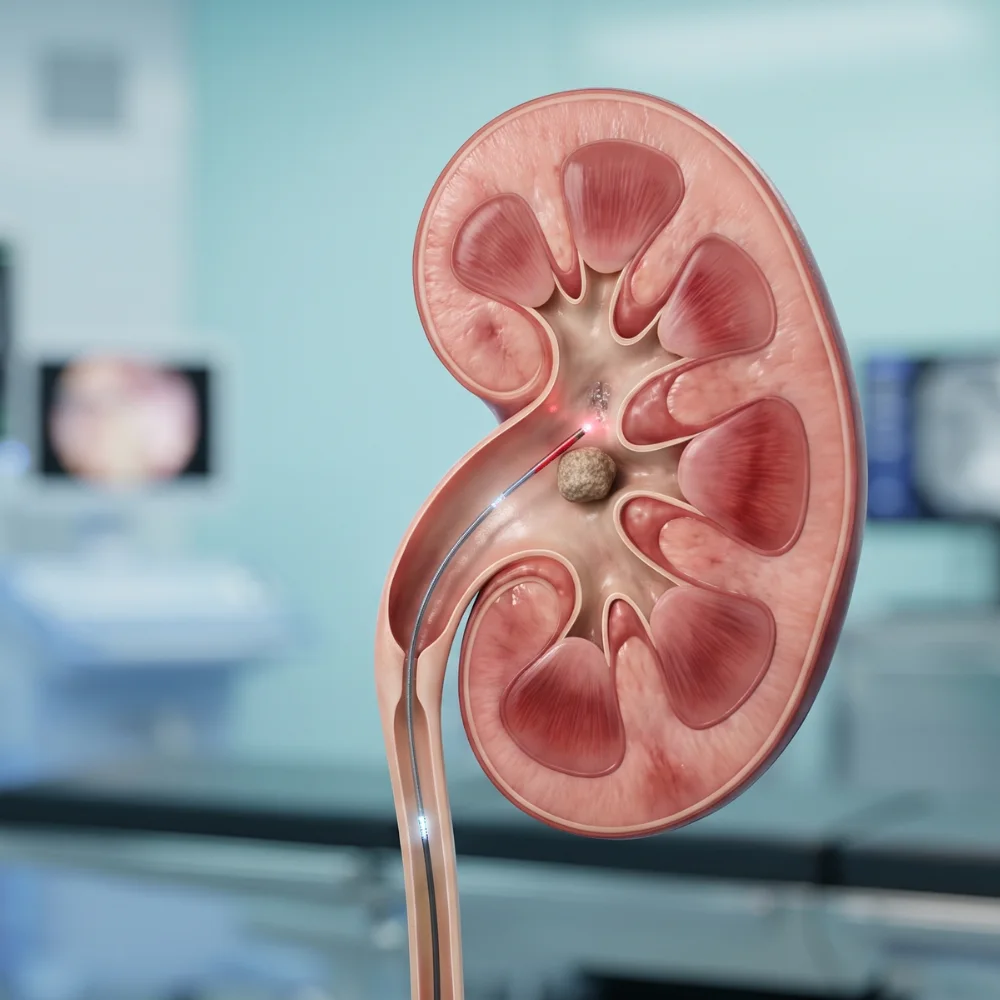
RIRS is a minimally invasive kidney stone treatment that uses a thin, flexible instrument passed through the natural urinary passage to reach the kidney. A laser breaks the stone into smaller fragments, which may be removed during the procedure or pass naturally through urine. Since the procedure does not require an external incision, many patients can return home after a short hospital stay. However, recovery depends on factors such as stone size, the complexity of treatment, general health, and whether a temporary ureteral stent is inserted.
For patients exploring RIRS Surgery in Navi Mumbai, knowing what to expect after treatment can help them follow their doctor's instructions and recognise symptoms that need medical attention.
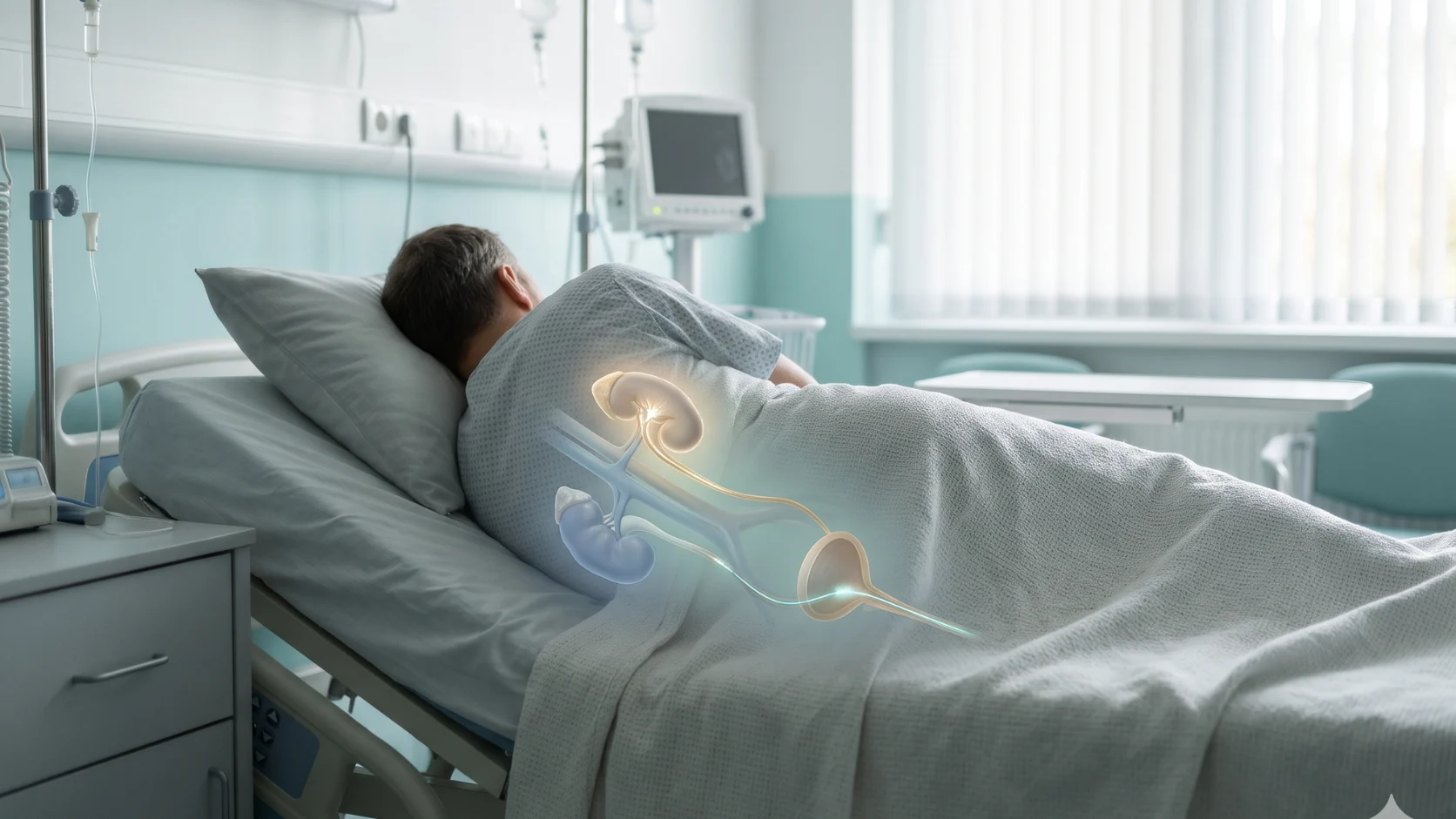
How Long Does It Take to Recover After RIRS Surgery?
Recovery after RIRS is generally gradual. Some patients feel comfortable enough to resume light activities within a few days, while others may need one or two weeks to feel closer to normal. Discomfort may last longer when a ureteral stent is in place or when additional treatment is required.
Here is a general recovery timeline:
- First 24 hours: You will be monitored after anaesthesia, and your medical team will assess your pain, urine output, and overall condition.
- Days 1–3: Mild burning during urination, light blood staining, urinary frequency, or discomfort may occur.
- Days 3–7: Many patients gradually resume routine activities, depending on their symptoms and the surgeon's advice.
- Following 1–2 weeks: Symptoms often improve, although stent-related discomfort can continue until the stent is removed.
- Follow-up period: Your urologist may recommend an imaging test to check for remaining stone fragments or other concerns.
These timeframes are approximate, not fixed milestones. Your recovery may take longer if you have a large stone burden, a urinary infection, other health conditions, or a second procedure planned.
Common Symptoms After RIRS Surgery
Some temporary urinary symptoms are expected after RIRS. Knowing which symptoms can occur during recovery helps you respond appropriately.
1. Burning Sensation While Urinating
You may experience mild burning or discomfort when passing urine during the first few days. This can occur because the urinary tract has been instrumented during the procedure or because a stent is irritating the bladder or ureter.
The discomfort should generally improve rather than become progressively worse. Contact your doctor if the burning persists, becomes severe, or is accompanied by fever or chills.
2. Blood in the Urine
Urine may appear pink or slightly blood-stained after the procedure. This can happen because of minor irritation in the urinary tract and may become more noticeable after physical activity.
Rest and follow your discharge instructions. Seek urgent medical assessment if you notice heavy bleeding, large blood clots, worsening bleeding, or difficulty passing urine.
3. Frequent Urination or Urgency
Some patients feel the need to urinate more frequently or experience a sudden urge to use the toilet. These symptoms are particularly common when a ureteral stent has been placed.
Your doctor may prescribe medication if the symptoms are uncomfortable. Do not start or stop medicines without medical advice.
4. Mild Pain in the Side or Lower Abdomen
You may notice mild discomfort around the kidney, flank, bladder, or lower abdomen. A stent can also cause pain around the kidney during or after urination.
Take only the pain medication recommended by your treating team. Severe, persistent, or worsening pain should not be assumed to be a normal part of recovery.
What Is a Ureteral Stent, and Why Might You Need One?
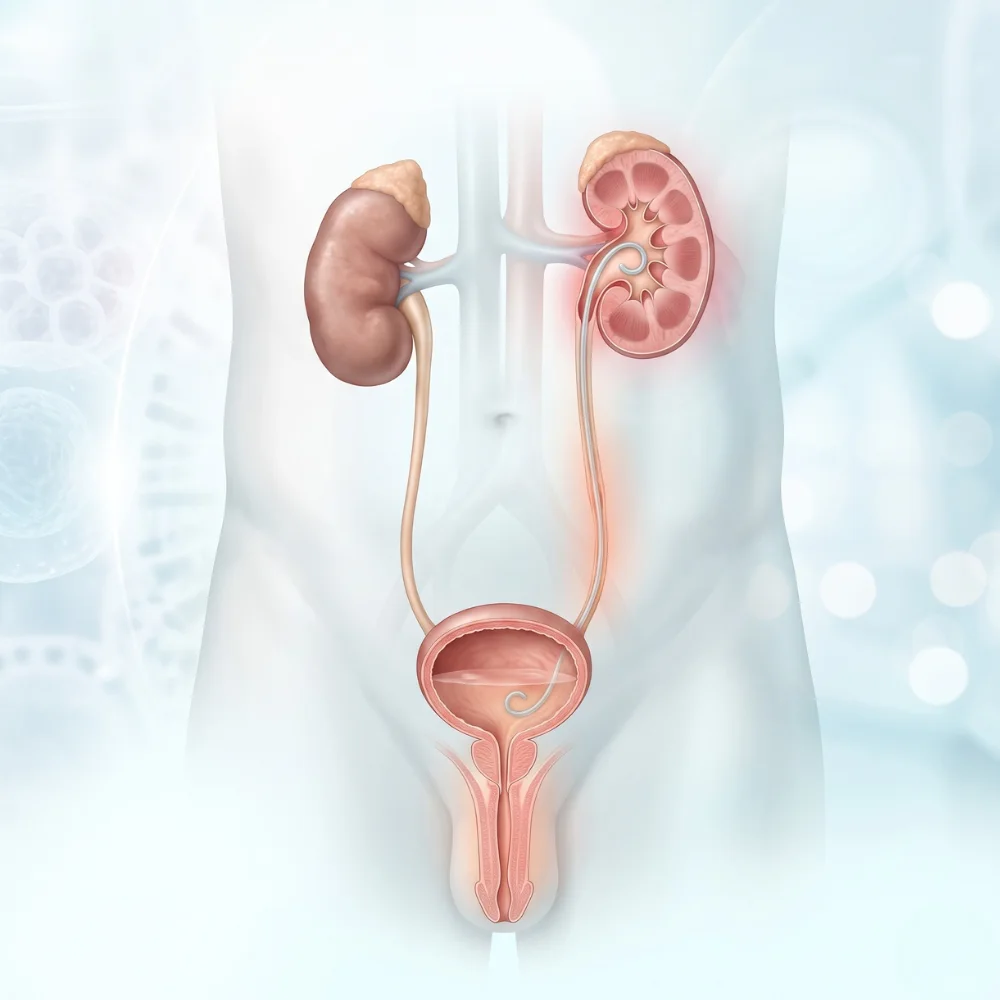
A ureteral stent is a thin, flexible tube placed between the kidney and bladder. It helps urine drain from the kidney into the bladder while the urinary tract recovers.
Your urologist may insert a stent if there is swelling, a risk of obstruction, residual stone fragments, or another reason to support urine drainage.
While a stent can be helpful, it may cause temporary symptoms such as:
- Frequent urination or a sudden urge to urinate
- Mild burning during urination
- Blood-stained urine
- Bladder discomfort
- Pain around the kidney, particularly during urination
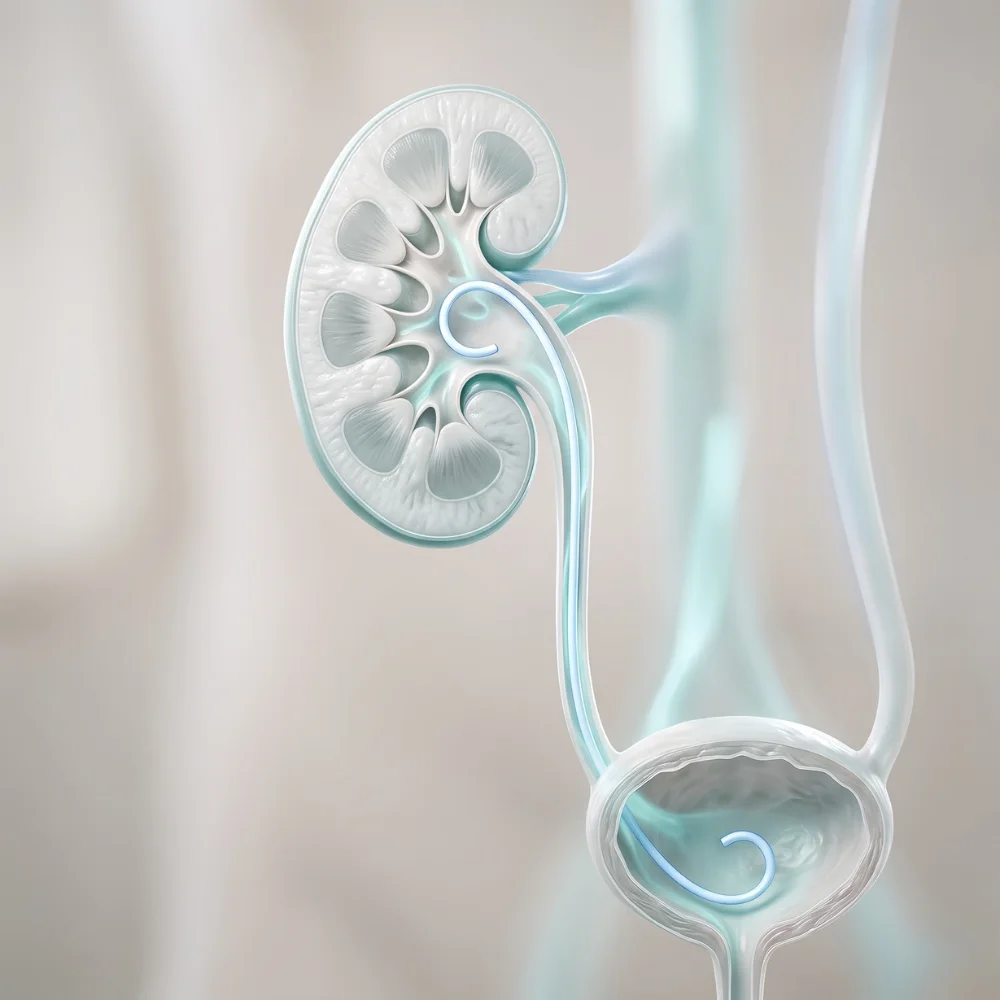
The stent is temporary and must be removed or exchanged according to your doctor's plan. The timing depends on your individual case.
Before leaving the hospital, make sure you know whether a stent was inserted and when it is due to be removed. Do not miss the appointment or attempt to remove the stent yourself unless your urologist has specifically instructed you how to do so.
Essential Care Tips After RIRS Surgery
Following your discharge instructions can support recovery and help you identify complications early.
Stay Hydrated as Advised
Drink fluids according to your doctor's recommendations. Adequate hydration supports urine flow, but the amount you need depends on your health and any fluid restrictions.
If you have kidney disease, heart disease, or have been told to limit fluids, ask your doctor how much you should drink rather than increasing your intake independently.

Take Prescribed Medicines Correctly
Your doctor may prescribe pain relief, antibiotics when indicated, or medicines to reduce stent-related discomfort. Take them according to the prescribed schedule.
Do not take leftover antibiotics or change your medication dosage without medical guidance.
Avoid Strenuous Activities Initially
Give your body time to recover. Light walking may be appropriate for many patients, but heavy lifting, intense exercise, and physically demanding work should be resumed only as advised by your surgeon.
If an activity increases pain or bleeding, stop and contact your medical team if the symptoms persist or worsen.
Follow a Balanced Diet
You can usually return to your regular diet as advised after anaesthesia. Long-term dietary recommendations depend on the type of kidney stone you had.
Your urologist may recommend stone analysis, blood tests, or a urine evaluation to identify factors that could contribute to future stone formation. Avoid restrictive diets or supplements intended to prevent stones without professional advice.
Keep Your Follow-Up Appointments
Even if you feel better, attend your scheduled review. Your doctor may recommend imaging to assess whether any fragments remain and whether urine is draining properly.
Follow-up is also an opportunity to discuss stone prevention and clarify when you can return to your usual routine.
When Should You Seek Medical Attention After RIRS?
Although mild discomfort can occur during recovery, certain symptoms require prompt medical assessment.
Contact your treating team urgently or seek emergency care if you experience:
- Fever or chills
- Severe or worsening pain that is not controlled by prescribed medication
- Heavy bleeding or large blood clots in the urine
- Inability to pass urine or a substantial reduction in urine output
- Persistent vomiting or inability to keep fluids and medicines down
- Feeling unusually weak or seriously unwell
These symptoms may indicate infection, obstruction, bleeding, or another complication. Do not wait for your scheduled follow-up appointment if they occur.
Can Kidney Stones Return After RIRS Surgery?
Yes. RIRS treats the existing stone burden, but it does not automatically eliminate the factors that caused the stones to form.
The chance of developing another stone depends on several factors, including stone composition, fluid intake, diet, family history, metabolic conditions, and certain medical problems.
To reduce the risk of recurrence, your urologist may recommend:
- Drinking an appropriate amount of water each day
- Reviewing the composition of the removed stone, when available
- Adjusting dietary habits based on the type of stone
- Undergoing blood or urine tests if you have recurrent stones or other risk factors
- Taking preventive medication when clinically indicated
- Attending follow-up appointments as recommended
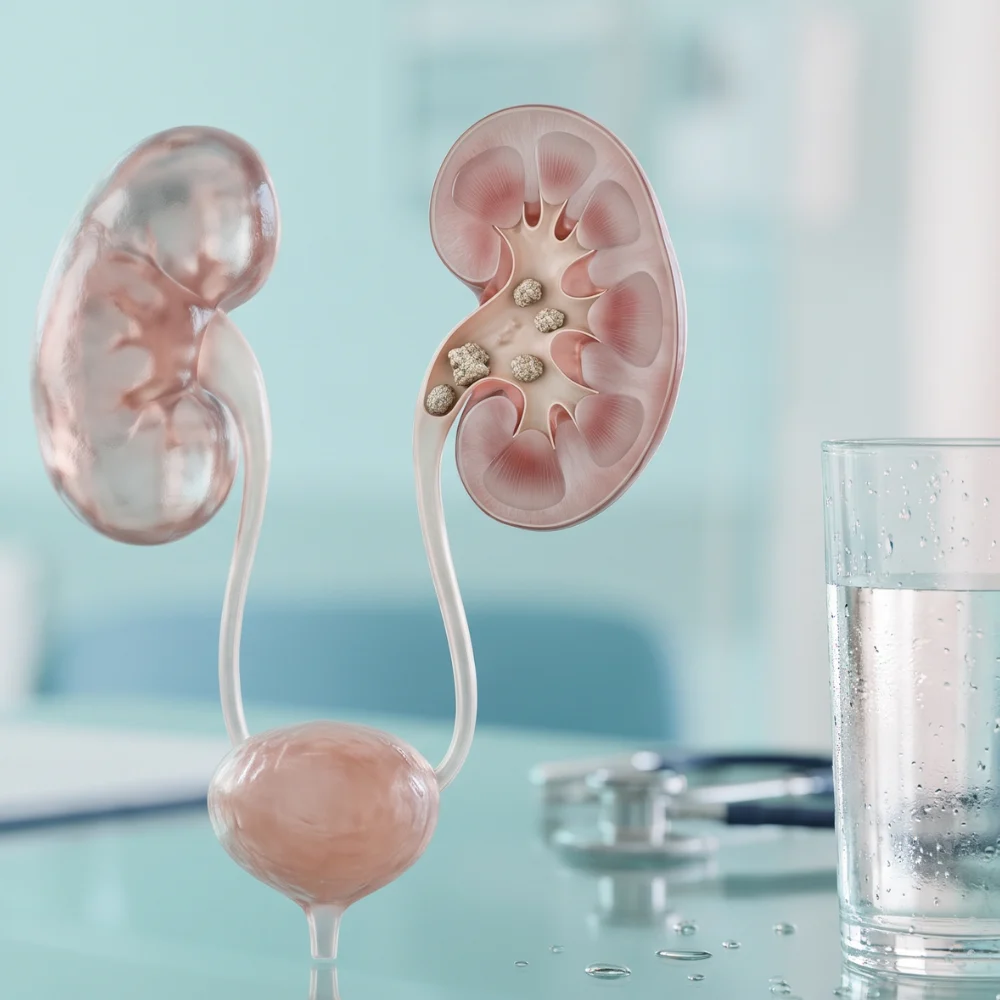
Personalised prevention is often more useful than following a generic kidney stone diet because different stone types may require different dietary approaches.
What Factors Can Affect Recovery After RIRS?
Not every patient recovers at the same pace. Several factors can influence how quickly you feel better after treatment.
- Stone size and number: Larger or multiple stones may require more extensive treatment or additional sessions.
- Stent placement: A temporary stent can cause urinary symptoms until it is removed.
- Infection or other health conditions: Existing infection and certain medical conditions may require additional treatment or closer monitoring.
- The nature of your work: Someone with a desk-based job may return to work sooner than someone whose job involves heavy lifting or prolonged physical activity.
- Residual stone fragments: Some fragments may remain after treatment and require monitoring or further intervention.
Discuss your expected recovery with your urologist before returning to work, travelling, exercising, or resuming other demanding activities.
Choosing RIRS Surgery in Navi Mumbai
When considering RIRS Surgery in Navi Mumbai, look for a urology team that evaluates your stone size, location, medical history, and kidney function before recommending treatment. Ask about the procedure, possible complications, the need for a stent, expected recovery, and the follow-up plan.
It is also important to understand whether the goal is to remove all visible stones in one session or whether staged treatment may be necessary. The appropriate approach depends on your clinical findings rather than the procedure name alone.
At MITR Urology Associates, patients can discuss kidney stone treatment options with the urology team and understand the care required before and after a procedure. An individual assessment can help determine whether RIRS is appropriate and what recovery may look like in your case.
Frequently Asked Questions
Many patients need a few days of rest and can gradually resume light activities. Full recovery may take one or two weeks or longer, depending on the procedure, symptoms, and whether a stent is present. Follow your surgeon's advice.
Mild discomfort in the flank, lower abdomen, or during urination can occur, particularly if a stent has been inserted. Severe or worsening pain, especially with fever or vomiting, needs urgent medical assessment.
Light blood staining may occur for a short period after surgery and can recur while a stent is in place. Heavy bleeding, clots, worsening bleeding, or difficulty urinating should be assessed promptly.
The timing varies according to the reason for placing the stent and the patient's recovery. Your urologist will provide a specific removal or exchange date. Keep this appointment and do not leave the stent in longer than advised.
Some patients return to desk-based work within several days, while others need more time. The decision depends on pain, urinary symptoms, the type of work, and your doctor's recommendations.
Your urologist may recommend an ultrasound, X-ray, CT scan, or another suitable investigation to check for residual stones or obstruction. The need and timing depend on your original stone burden and clinical progress.
Yes. RIRS treats existing stones, but new stones can develop if the underlying risk factors remain. Your doctor may recommend fluid and dietary changes, stone analysis, or further testing to help prevent recurrence.
Conclusion
Recovery after RIRS surgery is usually gradual, with many patients returning to routine activities within days. Temporary burning, mild discomfort, urinary urgency, or light blood staining can occur, especially when a ureteral stent is present. Following your discharge instructions, taking prescribed medicines, and attending follow-up appointments are important parts of recovery.
If you are considering RIRS Surgery in Navi Mumbai or have questions about recovery after kidney stone treatment, consult the urology team at MITR Urology Associates. A personalised evaluation can help you understand your treatment options, recovery expectations, and steps to reduce the risk of future kidney stones.
Consult a Kidney Stone Specialist
Have questions about RIRS surgery recovery or persistent symptoms? Book an appointment with the experienced urology team at MITR Urology Associates to receive comprehensive evaluation, stent care guidance, and personalized kidney stone treatment.
Take Charge of Your Kidney Health Today
Book a Consultation with a SpecialistCopyright © All Rights Reserved, By MITR Urology Associates