Welcome to MITR Hospital
Poor Sperm Motility: Causes and Ways to Improve Sperm Health
When a couple is trying to conceive, sperm count is often the first fertility parameter people think about. But having enough sperm is only part of the picture. Sperm motility, or the ability of sperm to move effectively, is also important for natural conception.
Poor sperm motility means that a lower-than-expected proportion of sperm are moving properly. In medical terms, reduced sperm motility is often referred to as asthenozoospermia.
Low motility does not automatically mean that pregnancy is impossible. Several factors can affect sperm movement, and some underlying causes can be treated. A detailed fertility evaluation can help determine what may be affecting sperm health and which options are appropriate.
For couples looking for Poor Sperm Motility Treatment in Navi Mumbai, understanding the possible causes and available treatment approaches is an important first step.
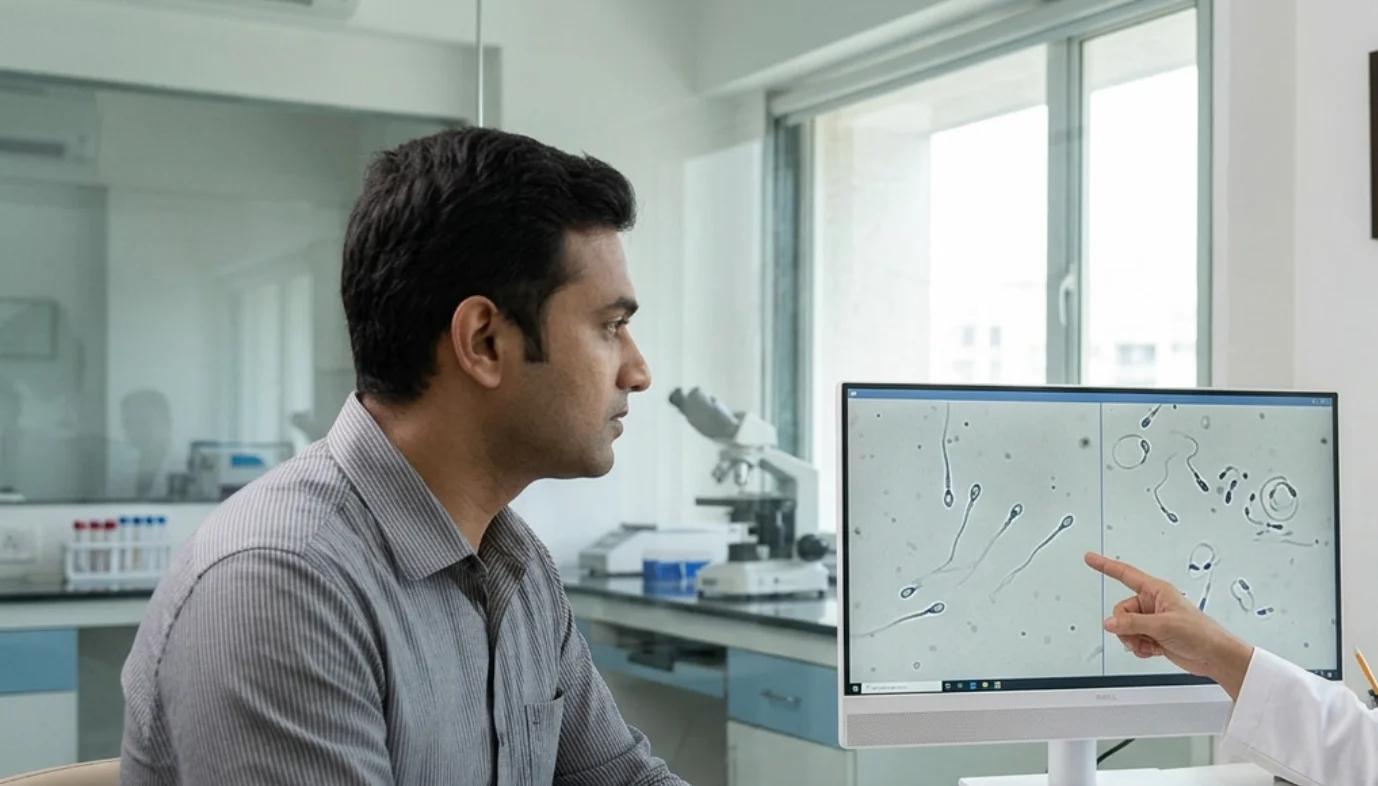
What Is Sperm Motility?
Sperm motility refers to how well sperm move.
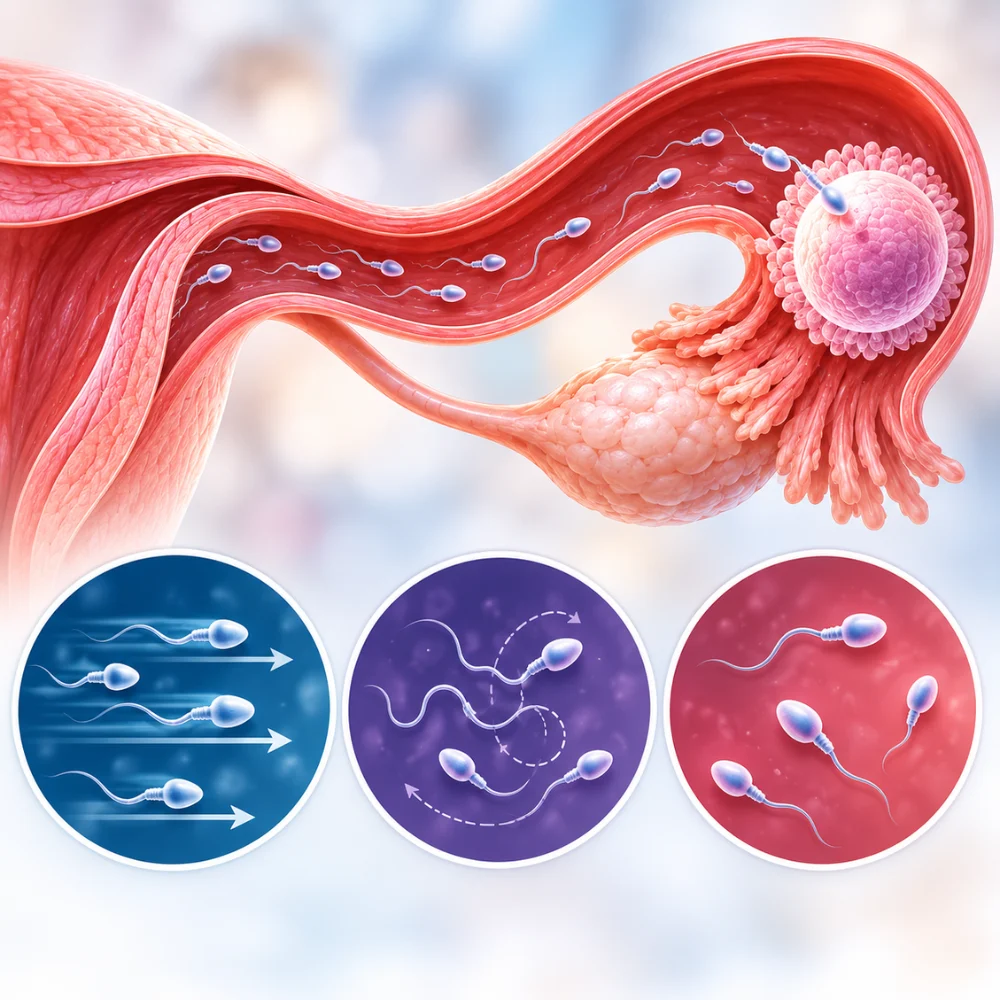
For natural conception to occur, sperm need to travel through the female reproductive tract and reach the egg. Sperm that move progressively forward have a greater ability to make this journey.
A semen analysis typically assesses different aspects of sperm movement, including:
- Progressive motility: Sperm move forward, either rapidly or slowly.
- Non-progressive motility: Sperm move but do not progress effectively.
- Immotile sperm: Sperm do not move.
Motility is evaluated alongside other semen parameters such as sperm concentration, total sperm number, morphology and semen volume. WHO's laboratory manual recommends standardised semen analysis methods because semen parameters can vary and need to be assessed consistently.
What Causes Poor Sperm Motility?
Reduced sperm movement can have several causes. Sometimes there is one identifiable factor, while in other cases multiple factors contribute.

1. Varicocele
A varicocele is an enlargement of veins around the testicle.
It can affect the temperature and environment around the testicles and may interfere with sperm production and quality in some men.
When a significant varicocele is identified alongside abnormal semen parameters, a urologist may evaluate whether treatment could improve fertility.
2. Infections
Certain infections involving the reproductive or urinary tract can affect sperm quality.
Inflammation may interfere with sperm function or, in some cases, affect the reproductive tract.
If an infection is suspected, appropriate testing should be performed before treatment is started.
3. Hormonal Problems
Sperm production is controlled by a complex interaction between the brain, pituitary gland and testicles.
Hormonal disorders can interfere with sperm production and overall semen quality.
A doctor may recommend hormone testing when the medical history, physical examination or semen analysis suggests a possible hormonal problem.
4. Heat Exposure
The testicles function best at a temperature slightly lower than core body temperature.
Repeated or prolonged exposure to excessive heat may affect sperm production in some men.
Examples may include frequent use of very hot baths or other significant heat exposure.
However, avoiding normal daily activities out of fear of heat is generally unnecessary. The focus should be on avoiding excessive or prolonged exposure.
5. Smoking and Tobacco Use
Tobacco exposure has been associated with poorer reproductive health and may affect sperm quality.
If you are trying to conceive, stopping smoking is an important step toward improving overall health as well as supporting reproductive health.
6. Excessive Alcohol Consumption
Heavy alcohol consumption can affect hormonal balance and reproductive function.
Reducing excessive alcohol intake may therefore be part of a broader approach to improving fertility.
7. Obesity and Metabolic Health
Being overweight or obese may be associated with changes in reproductive hormones and poorer semen parameters.
Improving physical activity, diet and metabolic health can support general wellbeing and may benefit reproductive health.
8. Certain Medications or Treatments
Some medications and medical treatments can affect sperm production.
Chemotherapy and radiation therapy, for example, may significantly affect fertility.
Anabolic steroids and non-prescribed testosterone use can also suppress natural sperm production. Men should discuss fertility goals with their doctor before using testosterone or hormone-related products. WHO identifies anabolic steroid use among factors that can adversely affect semen parameters.
9. Genetic or Testicular Conditions
Certain genetic conditions and disorders affecting the testicles can interfere with sperm production and quality.
These may be considered particularly when sperm abnormalities are severe or persistent.
10. Oxidative Stress
Sperm are vulnerable to oxidative stress, which can affect cellular function.
Factors such as smoking, inflammation, poor metabolic health and environmental exposures may contribute to oxidative stress.
However, commercially marketed antioxidant supplements should not be taken automatically. Their usefulness depends on the individual's situation, and your doctor can advise whether any supplementation is appropriate.
Can Poor Sperm Motility Cause Infertility?
Poor sperm motility can make natural conception more difficult because sperm need to move effectively to reach and fertilise the egg.
However, low motility does not mean that a man is completely infertile.
Fertility depends on several factors, including:
- Sperm concentration
- Total sperm number
- Sperm motility
- Sperm morphology
- Female partner's reproductive health
- Frequency and timing of intercourse
- Underlying medical conditions
Male infertility can result from problems involving sperm production, sperm movement, sperm morphology, ejaculation or the reproductive tract.
This is why one abnormal semen parameter should not be interpreted in isolation.
How Is Poor Sperm Motility Diagnosed?
The first step is usually a semen analysis.
The test evaluates different characteristics of the semen and sperm, including movement.
Because semen parameters can vary between samples, your doctor may recommend repeating the test when the first result is abnormal.
Medical History
Your urologist may ask about:
- How long you have been trying to conceive
- Previous pregnancies
- Testicular problems
- Previous surgeries
- Infections
- Medications
- Testosterone or steroid use
- Smoking and alcohol
- Lifestyle factors
- Sexual and reproductive history
Physical Examination
A physical examination can help identify conditions such as varicocele, testicular abnormalities or other reproductive problems.
Hormone Tests
Depending on the findings, blood tests may be recommended to assess hormones involved in sperm production.
Scrotal Ultrasound
A scrotal ultrasound may be advised if there is concern about varicocele, testicular abnormalities or another structural problem.
Additional Testing
Some men may require further investigations, particularly when sperm abnormalities are severe or persistent.
The exact tests depend on the individual's medical history and initial evaluation.
Can Sperm Motility Improve?
In some men, sperm motility can improve when an underlying cause is identified and treated.
However, there is no single treatment that improves sperm motility in every patient.
Treatment depends on why the motility is low.
For example, addressing an infection, treating a clinically significant varicocele or correcting certain hormonal problems may be appropriate in selected patients.
Lifestyle changes may also support overall sperm health.
Ways to Support Better Sperm Health
Maintain a Healthy Weight
If you are overweight, gradual weight management through a balanced diet and regular physical activity can support overall metabolic and reproductive health.
Stop Smoking
Smoking can negatively affect reproductive health. Quitting tobacco is one of the useful lifestyle changes for men trying to conceive.
Limit Excessive Alcohol
Heavy alcohol consumption may affect reproductive health. Reducing intake can support overall health and fertility.
Exercise Regularly
Moderate physical activity can support cardiovascular and metabolic health.
Extremely intense training combined with inadequate nutrition, however, may not be beneficial for everyone.

Get Adequate Sleep
Good-quality sleep is important for hormonal and general health.
Aim for a consistent sleep routine rather than relying on occasional long periods of sleep.
Avoid Unnecessary Testosterone or Steroids
This is particularly important.
Men sometimes use testosterone or anabolic steroids to improve muscle mass or sexual wellbeing without realising that these substances can suppress the body's natural sperm production.
If fertility is a current or future goal, discuss hormone treatment with a doctor before starting it.
Manage Chronic Health Conditions
Conditions such as diabetes, obesity and hormonal disorders can affect reproductive health.
Keeping chronic conditions under appropriate medical control can support overall wellbeing.
Does Diet Affect Sperm Motility?
Diet is one part of overall reproductive health.
A balanced diet containing a variety of:
- Fruits
- Vegetables
- Whole grains
- Legumes
- Nuts and seeds
- Lean protein
- Healthy fats
can support general health.
However, no single food can guarantee improved sperm motility.
Be cautious about products marketed as "sperm boosters" or fertility supplements. Some supplements may have limited evidence, and excessive doses of certain nutrients can be harmful.
How Long Does It Take to Improve Sperm Quality?
Sperm production takes time, so changes in lifestyle or treatment are not expected to produce immediate results.
When an underlying cause is treated, your doctor may recommend repeating the semen analysis after an appropriate interval to assess whether the parameters have changed.
The timeline varies depending on the cause and the intervention.
What Treatment Is Available for Poor Sperm Motility?
Treatment is individualised.

Treating Varicocele
If a clinically significant varicocele is associated with infertility and abnormal semen parameters, surgical treatment may be considered in appropriate patients.
Treating Infections
If an infection is confirmed, appropriate treatment may help address the underlying problem.
Antibiotics should not be taken routinely without evidence of infection.
Treating Hormonal Problems
Certain hormonal conditions can affect sperm production.
When a specific hormonal disorder is identified, treatment may be directed at correcting that problem.
Importantly, testosterone replacement itself is not a treatment for male infertility because it can suppress sperm production.
Assisted Reproductive Techniques
If sperm motility remains low despite treatment, assisted reproductive options may be considered depending on the complete fertility evaluation.
These can include:
- Intrauterine insemination (IUI)
- In vitro fertilisation (IVF)
- Intracytoplasmic sperm injection (ICSI)
ICSI involves injecting a single sperm directly into an egg and may be considered when sperm numbers or movement are significantly impaired.
The appropriate option depends on both partners' fertility assessment and their individual circumstances. WHO's 2025 infertility guideline recommends a stepwise, evidence-based approach to infertility care, taking clinical findings and patient preferences into account.
When Should You See a Urologist?
Consider a fertility evaluation if:
- You and your partner have been trying to conceive for 12 months without pregnancy
- A semen analysis shows reduced motility
- You have a history of varicocele
- You have had testicular or groin surgery
- You have experienced testicular injury
- You have a history of reproductive or urinary infections
- You have used testosterone or anabolic steroids
- You have concerns about your sperm health

If there are known fertility risk factors or the female partner is older or has fertility concerns, earlier evaluation may be appropriate.
Importantly, infertility is a couple's health issue, so evaluating both partners can help avoid unnecessary delays.
Can Poor Sperm Motility Be Treated Without IVF?
Yes, depending on the cause and severity.
Some men may benefit from treating an underlying condition or making appropriate lifestyle changes. Others may conceive naturally after treatment.
When sperm parameters remain significantly abnormal, assisted reproductive techniques may provide additional options.
The important step is to determine the underlying cause rather than assuming IVF is automatically necessary.
Choosing Poor Sperm Motility Treatment in Navi Mumbai
If a semen analysis shows poor motility, the next step should not simply be taking supplements or changing your diet randomly.
A proper evaluation can determine whether the problem is related to varicocele, hormones, infection, lifestyle factors, medications, testicular function or another condition.
For couples seeking Poor Sperm Motility Treatment in Navi Mumbai, an experienced urology team can assess the semen analysis alongside the man's medical history and reproductive goals and recommend an appropriate treatment pathway.
Frequently Asked Questions
Lifestyle improvements such as stopping smoking, limiting excessive alcohol, maintaining a healthy weight, exercising regularly and avoiding unnecessary testosterone or steroids can support reproductive health. However, lifestyle changes cannot correct every cause of poor motility.
No. Reduced motility can make conception more difficult, but it does not automatically mean that natural conception is impossible.
Yes. Varicocele can affect sperm production and semen quality in some men. If infertility and abnormal semen parameters are present, a urologist can determine whether treatment may be appropriate.
Not usually. External testosterone can suppress the hormonal signals needed for sperm production and may reduce sperm count. Men trying to conceive should discuss testosterone use with a specialist.
A semen analysis is the primary test used to evaluate sperm movement. Depending on the findings, additional tests may be recommended to identify the underlying cause.
Treatment depends on the cause. Options may include lifestyle changes, treatment of varicocele or infection, management of hormonal problems and assisted reproductive techniques when appropriate.
Conclusion
Poor sperm motility can be an important factor in male infertility, but it does not mean that fatherhood is impossible. The condition can have several causes, including varicocele, infections, hormonal problems, lifestyle factors, certain medications, testicular conditions and environmental exposures.
A semen analysis provides important information, but it is only one part of a complete fertility evaluation. Identifying and treating the underlying cause is often more useful than focusing on sperm motility alone.
If you or your partner are having difficulty conceiving or a semen analysis has shown reduced sperm motility, book an appointment with the experienced urology team at MITR Urology Associates for a detailed evaluation and personalised treatment plan for Poor Sperm Motility Treatment in Navi Mumbai.
Take Charge of Your Health Today
Book a Consultation with a SpecialistCopyright © All Rights Reserved, By MITR Urology Associates