Welcome to MITR Hospital
Low Sperm Count: Causes, Diagnosis & Treatment Options
When a couple is trying to conceive, fertility is often discussed in terms of the woman's health. However, male factors contribute to a significant proportion of infertility cases, and low sperm count is one of the most common concerns.
Low sperm count, medically known as oligozoospermia, means that the semen contains fewer sperm than the reference level used by laboratories to assess male fertility. Having a low sperm count does not automatically mean that a man cannot father a child. Many men with reduced sperm numbers can still achieve pregnancy, either naturally or with appropriate treatment.
Understanding the possible causes, getting the right tests and seeking timely medical advice can make a significant difference. For couples exploring Male Infertility Treatment in Navi Mumbai, a proper evaluation can help identify whether the problem is related to sperm production, sperm movement, blockage or another underlying condition.

What Is a Low Sperm Count?
Semen contains sperm cells along with fluids produced by the prostate and other reproductive glands. During ejaculation, sperm are released into the reproductive tract and may travel toward the egg.
A semen analysis evaluates several aspects of sperm health, including:
- Sperm concentration
- Total sperm count
- Sperm motility
- Sperm morphology
- Semen volume
- Other characteristics of the semen
A man may have a low sperm concentration but normal sperm movement and shape, or multiple semen parameters may be affected.
This is why sperm count alone does not provide a complete picture of fertility.
What Causes Low Sperm Count?
Low sperm count can have many causes. Sometimes several factors contribute at the same time.
1. Varicocele
A varicocele is an enlargement of the veins surrounding the testicle. It is relatively common and can interfere with normal testicular function in some men.
Varicocele may affect sperm production and quality and is a potentially treatable cause of male infertility.
2. Hormonal Problems
Sperm production is controlled by a complex hormonal system involving the brain, pituitary gland and testicles.
Problems involving hormones such as testosterone, follicle-stimulating hormone and luteinising hormone can affect sperm production.
Importantly, taking testosterone supplements without medical supervision can actually reduce sperm production, because external testosterone can suppress the body's natural signals needed for sperm production.
3. Infections
Certain infections affecting the reproductive system can interfere with sperm production or cause scarring that blocks sperm movement.
Some infections may cause few or no obvious symptoms, which is why medical evaluation can be important when infertility persists.
4. Problems With Sperm Transport
A man may produce sperm normally but have a blockage that prevents sperm from reaching the semen.
Blockages can occur in different parts of the reproductive tract and may sometimes be related to previous infections, surgery, injury or congenital conditions.
5. Testicular Conditions
The testicles are responsible for producing sperm. Conditions that affect testicular function may therefore reduce sperm production.
Possible factors include:
- Previous testicular injury
- Certain childhood illnesses
- Undescended testicles
- Previous testicular surgery
- Some genetic conditions
6. Medications and Medical Treatments
Certain medications and treatments can affect sperm production.
Chemotherapy and radiation therapy, for example, may significantly affect fertility. Some other medicines can also influence reproductive function.
Men should discuss potential fertility effects with their doctor before starting or stopping any medication.
7. Lifestyle Factors
Sperm production can be affected by several lifestyle and environmental factors.
These may include:
- Smoking
- Excessive alcohol consumption
- Recreational drug use
- Obesity
- Poor sleep
- Chronic stress
- Poor overall diet
- Excessive heat exposure to the testicles
Improving overall health may support sperm production, although lifestyle changes alone cannot correct every cause of infertility.
Can Stress Cause Low Sperm Count?
Stress can influence overall health and may indirectly affect reproductive function. Chronic stress can affect sleep, hormones, sexual function and lifestyle habits.
However, it is usually too simplistic to blame infertility on stress alone.
If a couple has been trying to conceive without success, both partners should be evaluated rather than assuming that stress is the primary cause.
How Is Low Sperm Count Diagnosed?
The first step is usually a detailed medical and reproductive history followed by a physical examination.
Your doctor may ask about:
- How long you have been trying to conceive
- Previous pregnancies
- Childhood illnesses
- Previous surgeries
- Testicular injuries
- Sexual and reproductive history
- Medications
- Lifestyle habits
- Previous fertility treatments
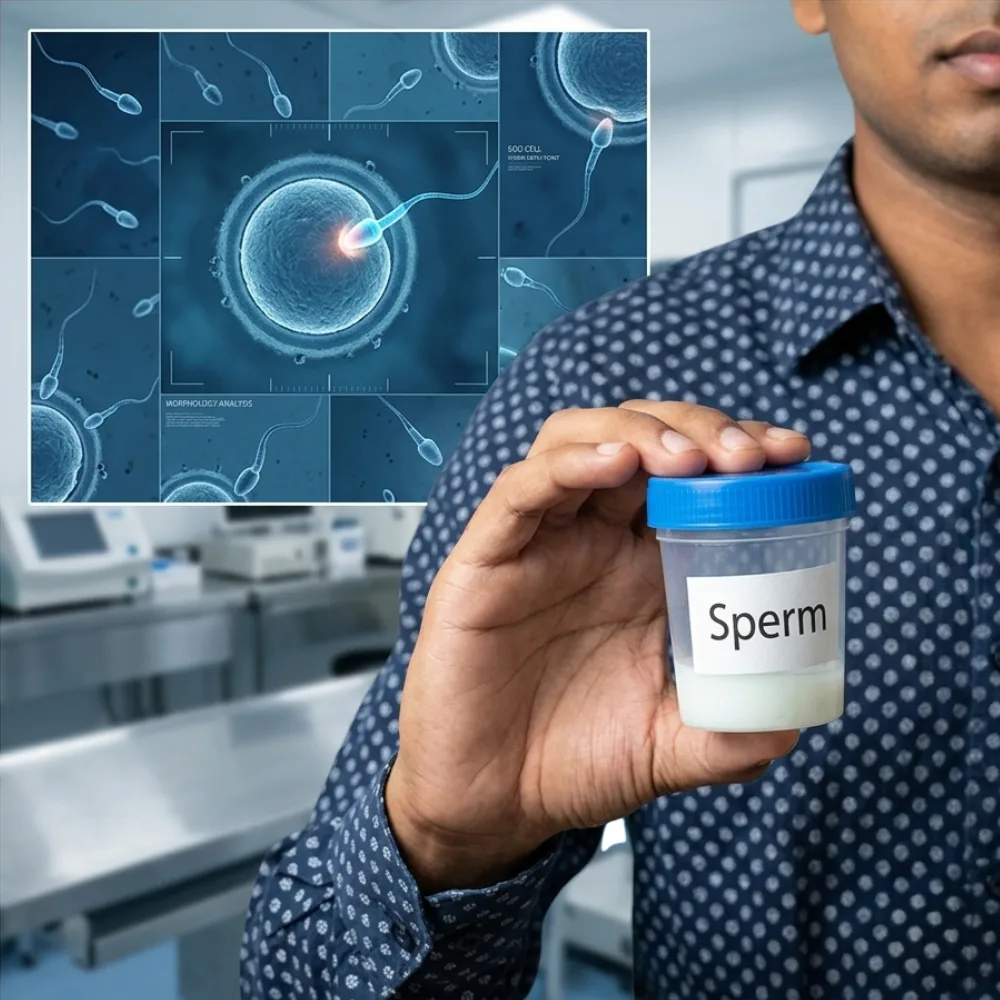
Semen Analysis
A semen analysis is one of the most important tests for evaluating male fertility.
The sample is examined for:
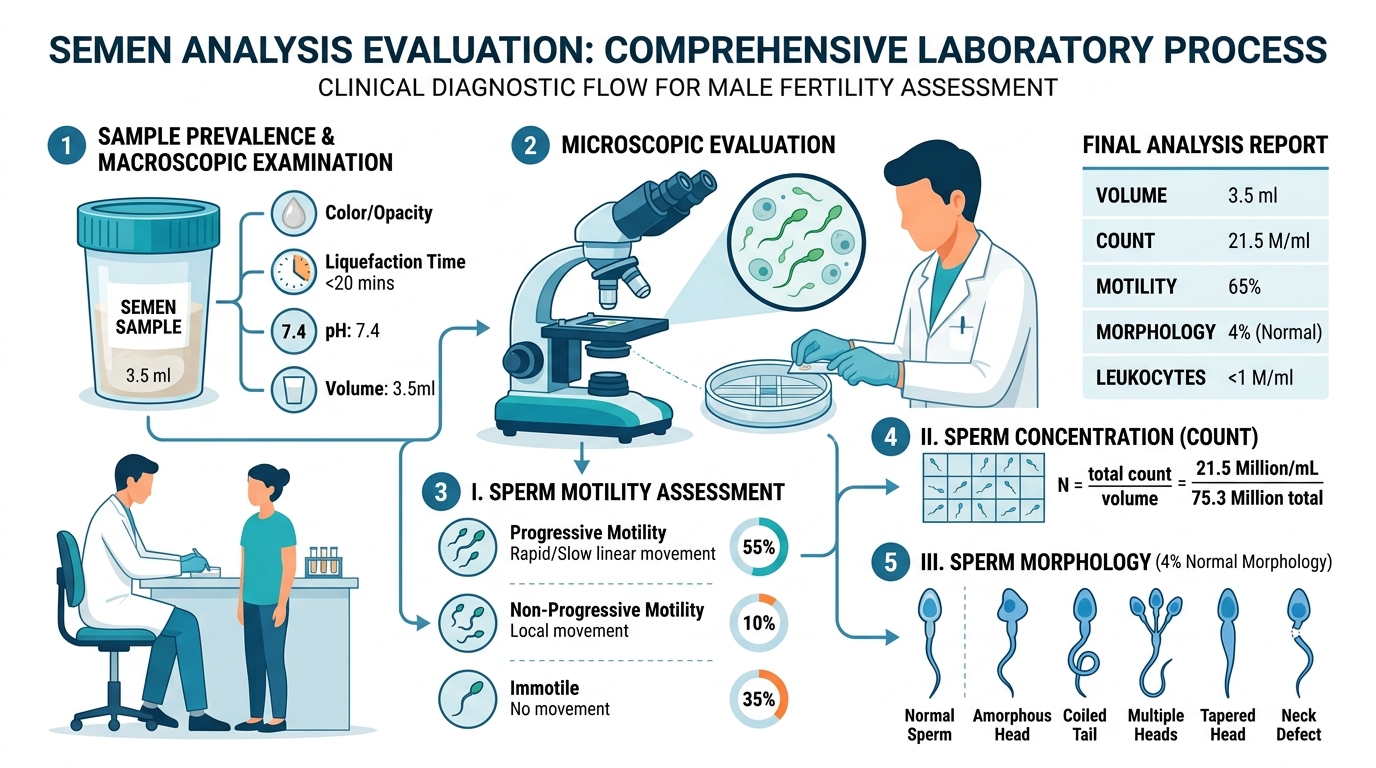
- Sperm concentration
- Total sperm number
- Motility
- Morphology
- Semen volume
Because sperm production can vary from one sample to another, a doctor may recommend repeating the test rather than relying on a single result.
Hormone Testing
Blood tests may be recommended to evaluate hormones involved in sperm production.
Depending on the findings, tests may include testosterone, FSH, LH and other relevant hormones.
Ultrasound
A scrotal ultrasound may be recommended when the doctor suspects a varicocele, testicular abnormality or another structural problem.
Genetic Testing
In men with very low or absent sperm counts, genetic testing may be considered in selected cases to identify underlying genetic causes.
Additional Tests
Depending on the individual situation, further tests may be required to assess sperm transport, infections or other reproductive conditions.
Does Low Sperm Count Mean Infertility?
Not necessarily.
Fertility depends on much more than the number of sperm present in a semen sample.
Factors such as sperm motility, morphology, the female partner's fertility, timing of intercourse and the underlying cause all influence the chances of conception.
Even when the sperm count is significantly reduced, pregnancy may still be possible through appropriate treatment or assisted reproductive techniques.
The important step is to determine why the sperm count is low.
Treatment Options for Low Sperm Count
Treatment depends on the underlying cause.
There is no single medicine or procedure that works for every man with low sperm count.
Lifestyle Changes
When lifestyle factors are contributing to poor sperm health, doctors may recommend:
- Maintaining a healthy weight
- Stopping smoking
- Limiting alcohol
- Avoiding recreational drugs
- Exercising regularly
- Getting adequate sleep
- Managing stress
- Eating a balanced diet
- Avoiding unnecessary heat exposure

Sperm production takes time, so improvements may not be immediate.
Treating Hormonal Problems
If hormonal abnormalities are affecting sperm production, specific medical treatment may be prescribed.
Hormonal therapy should only be taken under specialist supervision because inappropriate testosterone use can suppress sperm production.
Treating Varicocele
If a clinically significant varicocele is contributing to infertility, varicocele treatment may be considered.
The decision depends on factors such as semen analysis results, physical examination findings and the couple's fertility goals.
Treating Infections
If an infection is identified, appropriate treatment may be recommended.
However, antibiotics should not be taken without proper diagnosis, as not every fertility problem is caused by an infection.
Surgery for Blockages
When sperm transport is affected by a blockage, surgical treatment may sometimes restore sperm flow.
In cases where the blockage cannot be corrected, sperm retrieval techniques and assisted reproductive methods may be considered.
Assisted Reproductive Options
If medical or surgical treatment does not sufficiently improve fertility, assisted reproductive techniques may be discussed.
Depending on sperm count and quality, options may include:
Intrauterine Insemination (IUI)
Prepared sperm are placed directly into the uterus around the time of ovulation.
IUI may be considered in selected couples when sperm parameters are suitable.
In Vitro Fertilisation (IVF)
During IVF, eggs are retrieved and fertilised with sperm in a laboratory before an embryo is transferred to the uterus.
Intracytoplasmic Sperm Injection (ICSI)
ICSI involves injecting a single sperm directly into an egg. It may be particularly useful when sperm numbers or movement are severely reduced.
The appropriate option depends on both partners' fertility evaluation.
How Long Does It Take to Improve Sperm Count?
Sperm production is a continuous process, but it takes several weeks for sperm to develop and mature.
Therefore, improvements following treatment or lifestyle changes are generally not expected overnight.
Your doctor may recommend a repeat semen analysis after an appropriate interval to determine whether sperm parameters have changed.
The timeline can vary depending on the cause and treatment.
When Should You See a Fertility Specialist?
Consider seeking medical evaluation if:

- You have been trying to conceive without success
- A previous semen analysis showed abnormal results
- You have a history of testicular problems
- You have had testicular or groin surgery
- You have a known varicocele
- You have experienced sexual or ejaculation problems
- You have concerns about sperm health
Couples should generally avoid delaying evaluation unnecessarily, particularly when there are known risk factors for male infertility.
Can Low Sperm Count Be Prevented?
Not every cause of low sperm count can be prevented. Genetic conditions, certain medical disorders and some unavoidable treatments can affect fertility.
However, men can support reproductive health by:
- Avoiding smoking
- Maintaining a healthy body weight
- Exercising regularly
- Eating a nutritious diet
- Limiting alcohol
- Avoiding recreational drugs
- Managing chronic health conditions
- Avoiding unnecessary testosterone or hormone use
- Seeking medical attention for testicular problems
If fertility is important, discuss potential reproductive effects with your doctor before undergoing treatments that may affect sperm production.
Why Both Partners Should Be Evaluated
Infertility is a couple's health concern, not simply a male or female problem.
A low sperm count may explain difficulty conceiving, but pregnancy also depends on the female partner's reproductive health.
A coordinated evaluation of both partners can prevent unnecessary delays and help doctors develop a more effective treatment plan.
Finding the Right Male Infertility Treatment
Male infertility can be frustrating, especially when the cause is not immediately obvious. The good news is that many causes can be identified through appropriate testing, and several treatment options are available.
If you are searching for Male Infertility Treatment in Navi Mumbai, look for a urology or fertility team that evaluates the underlying cause rather than focusing only on the sperm count.
A comprehensive assessment may help determine whether the problem is related to hormones, varicocele, sperm production, sperm transport or another condition.
Conclusion
Low sperm count is a common male fertility concern, but it does not necessarily mean that fatherhood is impossible.
The condition can result from varicocele, hormonal problems, infections, blockages, testicular conditions, medications, lifestyle factors and other medical causes. A semen analysis, physical examination and additional tests can help identify the underlying problem.
Treatment may involve lifestyle changes, medication, treatment of varicocele or other medical conditions, surgery, or assisted reproductive techniques depending on the cause and severity.
If you and your partner are having difficulty conceiving, book an appointment with the experienced urology team at MITR Urology Associates for a detailed evaluation and personalised guidance.
Consult a Urology Specialist
Understanding your semen analysis and reproductive health is essential for making informed treatment decisions. Book an appointment with the experienced urology team at MITR Urology Associates to discuss your diagnosis and personalized treatment options.
Take Charge of Your Health Today
Book a Consultation with a SpecialistCopyright © All Rights Reserved, By MITR Urology Associates