Welcome to MITR Hospital
Kidney Stones vs Urinary Tract Infection: How to Tell the Difference
Pain while urinating, frequent trips to the bathroom, and discomfort in the lower abdomen are symptoms that many people associate with a urinary tract problem. However, these symptoms can be caused by two very different conditions—kidney stones and urinary tract infections (UTIs).
Although they may share some symptoms, the causes, treatment approaches, and potential complications differ significantly. Understanding the difference can help you seek the right medical care without delay.
If you're experiencing persistent urinary symptoms, severe pain, or blood in your urine, consulting a urologist is the best way to determine the exact cause and receive appropriate treatment.
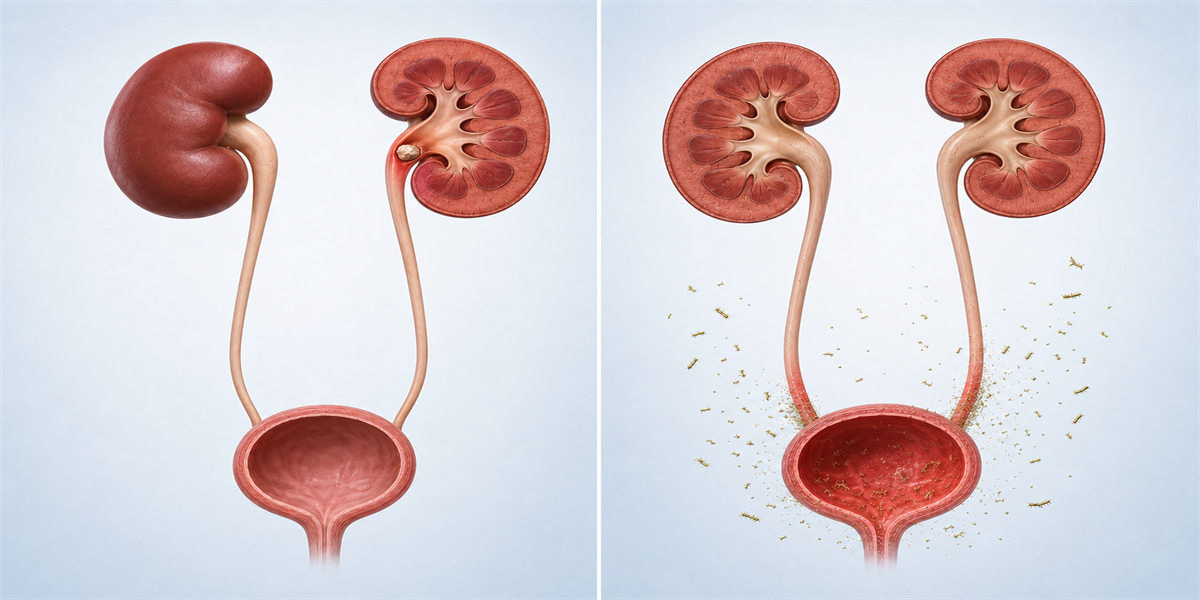
What Are Kidney Stones?
Kidney stones are hard deposits of minerals and salts that form inside the kidneys. These stones can remain in the kidney or travel through the urinary tract, causing pain and urinary symptoms.
Small stones may pass naturally, while larger stones may require medical treatment or minimally invasive procedures such as laser stone surgery, RIRS, or PCNL.
What Is a Urinary Tract Infection (UTI)?
A urinary tract infection is caused by bacteria entering the urinary system, affecting the bladder, urethra, or kidneys.
UTIs are more common in women but can also occur in men. Prompt treatment with antibiotics usually resolves the infection, although recurrent infections may require further evaluation to identify the underlying cause.
Kidney Stones vs Urinary Tract Infection: Key Differences
| Feature | Kidney Stones | Urinary Tract Infection |
|---|---|---|
| Cause | Mineral and salt deposits in the kidneys | Bacterial infection of the urinary tract |
| Pain | Severe, sharp pain in the back, side, or lower abdomen | Burning sensation during urination and lower abdominal discomfort |
| Blood in Urine | Common | May occur in some cases |
| Burning While Urinating | Possible | Very common |
| Frequent Urination | Sometimes | Very common |
| Fever | Usually absent unless infection develops | Common, especially if the infection reaches the kidneys |
| Nausea & Vomiting | Common with severe kidney stone pain | Less common |
| Treatment | Fluids, medications, or stone removal procedures | Antibiotics and supportive care |
Symptoms of Kidney Stones
Kidney stones often cause symptoms when they move into the ureter and obstruct the flow of urine.
Common symptoms include:
- Severe pain in the back or side
- Pain that radiates to the lower abdomen or groin
- Blood in the urine
- Pain while urinating
- Frequent urge to urinate
- Nausea and vomiting
- Difficulty passing urine
- Cloudy or foul-smelling urine if infection is present
The pain usually comes in waves and can be extremely intense.
Symptoms of a Urinary Tract Infection
A UTI typically causes irritation and inflammation of the urinary tract.
Common symptoms include:
- Burning sensation during urination
- Frequent urination
- Urgent need to urinate
- Passing only small amounts of urine
- Lower abdominal or pelvic pain
- Cloudy or strong-smelling urine
- Blood in the urine
- Fever and chills if the infection spreads to the kidneys
Unlike kidney stone pain, UTIs usually do not cause severe flank pain unless the kidneys are affected.
Can Kidney Stones Cause a UTI?
Yes. Kidney stones can block the normal flow of urine, allowing bacteria to multiply and increasing the risk of a urinary tract infection.
When both conditions occur together, symptoms may include:
- Severe flank pain
- Fever
- Chills
- Burning while urinating
- Blood in the urine
- Nausea and vomiting
This combination can become a medical emergency and requires immediate treatment.
When Should You See a Urologist?
Seek medical attention promptly if you experience:
- Severe back or side pain
- Blood in the urine
- Fever with urinary symptoms
- Persistent burning during urination
- Difficulty passing urine
- Recurrent urinary tract infections
- Symptoms that do not improve after treatment
Early diagnosis helps prevent complications and ensures appropriate treatment.
How Are These Conditions Diagnosed?
Because kidney stones and UTIs can produce similar symptoms, your urologist may recommend several tests.
Medical History and Physical Examination
Your doctor will ask about your symptoms, their duration, and any previous history of kidney stones or urinary infections.
Urine Analysis
A urine test helps detect:
- Blood
- White blood cells
- Bacteria
- Crystals
Urine Culture
If a UTI is suspected, a urine culture identifies the bacteria causing the infection and helps determine the most effective antibiotic.
Blood Tests
Blood investigations evaluate:
- Kidney function
- Signs of infection
- Inflammatory markers
Ultrasound
Ultrasound can identify:
- Kidney stones
- Swelling of the kidneys
- Bladder abnormalities
CT Scan
A CT scan is one of the most accurate imaging tests for detecting kidney stones and assessing their size and location.
Treatment for Kidney Stones
Treatment depends on the size, location, and severity of symptoms.
Options may include:
- Drinking plenty of fluids
- Pain-relieving medications
- Medications to help pass the stone
- Ureteroscopy
- Laser stone surgery
- Retrograde Intrarenal Surgery (RIRS)
- Percutaneous Nephrolithotomy (PCNL)
Your urologist will recommend the most suitable treatment based on your condition.
Treatment for Urinary Tract Infection
UTIs are typically treated with:
- Antibiotics
- Adequate hydration
- Pain-relieving medication if required
For recurrent infections, further investigations may be needed to identify underlying problems such as kidney stones, prostate enlargement, or structural abnormalities.
Can Kidney Stones and UTIs Be Prevented?
While not every case can be prevented, healthy habits can lower your risk.
These include:
- Drinking enough water throughout the day
- Maintaining good personal hygiene
- Avoiding prolonged urine retention
- Limiting excessive salt intake
- Following a balanced diet
- Managing diabetes effectively
- Seeking treatment promptly for urinary symptoms
Why Early Diagnosis Matters
Kidney stones and urinary tract infections may appear similar, but they require different treatments.
Early evaluation can:
- Relieve symptoms more quickly
- Prevent kidney damage
- Reduce the risk of recurrent infections
- Avoid complications caused by urinary obstruction
- Improve overall urinary health
Ignoring symptoms may delay treatment and increase the risk of serious complications.
Why Choose MITR Urology Associates?
MITR Urology Associates provides expert diagnosis and treatment for kidney stones, urinary tract infections, and other urological conditions.
Patients benefit from:
- Experienced urology specialists
- Advanced diagnostic facilities
- Personalized treatment plans
- Expertise in laser kidney stone surgery, RIRS, and PCNL
- Comprehensive care for recurrent urinary infections
- Long-term follow-up and preventive guidance
The team focuses on identifying the root cause of urinary symptoms and delivering effective, patient-centered care.
Conclusion
Kidney stones and urinary tract infections can cause similar symptoms, but they are distinct conditions that require different treatment approaches. While UTIs are caused by bacterial infections, kidney stones result from mineral deposits within the urinary tract. Recognizing the differences—and seeking prompt medical evaluation when symptoms arise—can help prevent complications and ensure timely care.
If you're experiencing persistent urinary symptoms, severe pain, blood in your urine, or recurrent infections, don't ignore the warning signs. Book an appointment with the experienced urology team at MITR Urology Associates for an accurate diagnosis and a personalized treatment plan.
Copyright © All Rights Reserved, By MITR Urology Associates