Welcome to MITR Hospital
Can an Enlarged Prostate Be Treated Without Surgery?
An enlarged prostate is a common concern among men, particularly as they get older. Many men notice changes such as a weak urine stream, difficulty starting urination, frequent trips to the bathroom or waking up several times at night to urinate.
The good news is that an enlarged prostate does not always require surgery. Depending on the severity of symptoms, prostate size, bladder function and overall health, many men can initially be managed with lifestyle changes, observation or medicines.
For men exploring Enlarged Prostate Treatment in Navi Mumbai, understanding the available non-surgical options can help you discuss the right approach with a urologist.

What Does an Enlarged Prostate Mean?
The prostate is a small gland located below the bladder and surrounding part of the urethra.
As men age, the prostate may gradually become larger. This condition is commonly called benign prostatic hyperplasia (BPH) or benign prostate enlargement.
BPH is not prostate cancer, and having an enlarged prostate does not mean that you have cancer.
However, if the enlarged prostate presses on the urethra, it can interfere with the normal flow of urine.
Common symptoms include:
- Weak or slow urine stream
- Difficulty starting urination
- Frequent urination
- Urgency to urinate
- Waking up frequently at night
- Dribbling after urination
- Feeling that the bladder has not emptied completely
- Straining to urinate
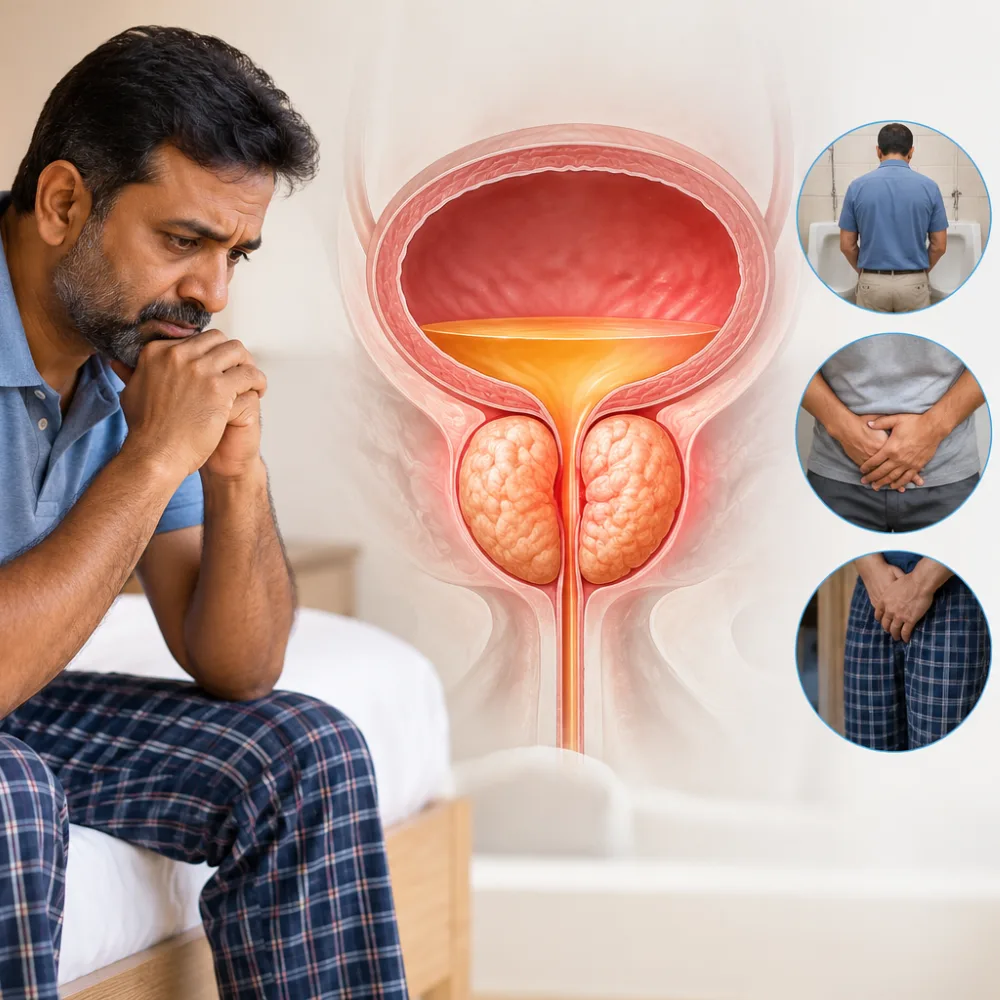
Not every man with an enlarged prostate experiences significant symptoms. Treatment is generally based on how much the symptoms affect the patient's health and quality of life.
Can an Enlarged Prostate Be Treated Without Surgery?
Yes, in many men.
Men with mild or moderate symptoms may be managed without surgery, particularly when there are no complications such as recurrent urinary retention, recurrent infections, bladder stones or kidney-related problems. Conservative and medical treatment are commonly used before surgery when appropriate.
The treatment plan may include:
- 1. Lifestyle and behavioural changes
- 2. Watchful waiting and regular monitoring
- 3. Prescription medicines
- 4. Treatment of associated bladder symptoms
However, non-surgical treatment is not suitable for every patient. If symptoms are severe, complications develop or medicines fail to provide sufficient relief, a procedure may eventually be recommended.
1. Lifestyle Changes
For men with relatively mild symptoms, simple changes in daily habits may make urination more manageable.
Your doctor may recommend:
Reduce Evening Fluid Intake
If getting up several times at night is a major problem, reducing fluids close to bedtime may help.
This does not mean severely restricting fluids during the day. Adequate hydration remains important.
Limit Caffeine
Tea, coffee and other caffeinated beverages can increase urinary frequency or urgency in some men.
Reducing caffeine may help if these symptoms are bothersome.
Limit Alcohol
Alcohol can increase urine production and may worsen urinary symptoms in some people.
Moderating alcohol consumption can therefore be useful.

Avoid Holding Urine for Long Periods
Regularly delaying urination may contribute to bladder discomfort and can make symptoms harder to manage.
Review Your Medications
Some medicines can worsen urinary symptoms. Your doctor can review your medications and determine whether any may be contributing.
Do not stop prescribed medicines on your own.
2. Watchful Waiting
Not every enlarged prostate needs immediate medication or surgery.
If symptoms are mild and do not significantly affect daily life, your urologist may recommend watchful waiting.
This does not mean ignoring the condition.
Regular follow-up allows the doctor to monitor:
- Urinary symptoms
- Quality of life
- Urine flow
- Bladder emptying
- Prostate-related changes
- Development of complications
If symptoms become worse, treatment can be started or adjusted.
3. Medicines for an Enlarged Prostate
When symptoms are bothersome, medicines may provide significant relief for many men.
Alpha-Blockers
Alpha-blockers relax muscles around the prostate and bladder outlet, which can make it easier for urine to flow.
They generally work relatively quickly and are commonly used when the main problem is difficulty passing urine.
However, they do not necessarily shrink the prostate.
Some men may experience side effects such as dizziness, low blood pressure or changes in ejaculation.
5-Alpha-Reductase Inhibitors
Medicines in this category work differently. They can gradually reduce prostate size and lower the risk of progression in appropriate men, particularly those with larger prostates.
They take longer to work than alpha-blockers.
Possible side effects can include reduced libido, erectile difficulties or changes in ejaculation.

Combination Treatment
Some men may benefit from a combination of medicines when symptoms are significant and the prostate is enlarged.
The choice depends on prostate size, symptoms, medical history and the individual's risk of progression.
Medicines for Storage Symptoms
Some men primarily experience urgency, frequency or an overactive bladder.
Depending on the assessment, additional medicines may be considered to address these symptoms.
The correct medication should be selected by a doctor after evaluating the urinary system and bladder emptying.
4. Can Medicines Cure an Enlarged Prostate?
Medicines can control symptoms and, in some cases, reduce prostate size or slow progression, but they do not permanently remove the enlarged prostate.
Some men remain comfortable on long-term medication.
Others eventually require a procedure if symptoms become difficult to manage or complications develop.
Regular follow-up is therefore important even when symptoms improve.
How Does a Doctor Decide Whether You Need Treatment?
An enlarged prostate should not be diagnosed based only on symptoms.
Your urologist may assess:
- Severity of urinary symptoms
- Impact on daily life
- Prostate size
- Urine flow
- Amount of urine left in the bladder
- Kidney function when appropriate
- Urine test results
- Relevant medical history
Tests such as uroflowmetry and measurement of post-void residual urine can help determine how effectively the bladder is emptying.
A prostate examination and other investigations may also be recommended depending on your age, symptoms and risk factors.
When Is Surgery Needed?
Although many men can be treated without surgery, an operation or minimally invasive procedure may become necessary in certain situations.
Surgery may be recommended when:
- Symptoms remain troublesome despite medicines
- Urinary retention occurs repeatedly
- Urinary tract infections keep returning
- Bladder stones develop
- There is persistent significant blood in the urine related to BPH
- The urinary system is affected by obstruction
- Kidney function is at risk
- Medication is not tolerated or does not provide sufficient relief
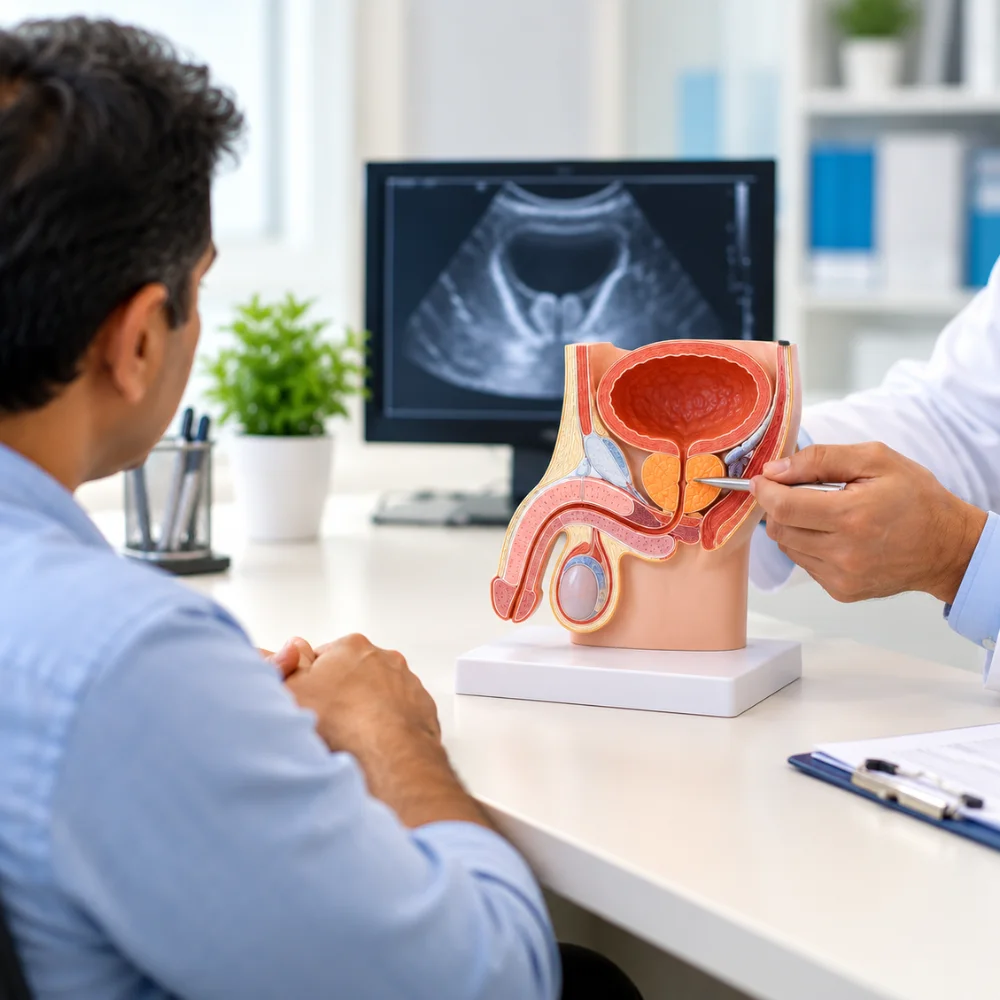
These are among the circumstances in which guidelines consider surgical treatment appropriate.
The size and anatomy of the prostate also influence which procedure may be suitable.
Does Surgery Mean the Entire Prostate Is Removed?
Not usually when surgery is being performed for benign prostate enlargement.
Procedures for BPH generally aim to remove or destroy the enlarged tissue that is blocking urine flow, rather than removing the entire prostate as is done in some prostate cancer operations.
Options may include TURP and different laser procedures, depending on the patient's prostate size, anatomy and other factors.
What About Laser Treatment for an Enlarged Prostate?
Laser procedures are among the modern treatment options for BPH.
Depending on the technique, laser energy can be used to vaporise or remove obstructing prostate tissue.
Laser treatment may be appropriate for selected patients and can be particularly useful when the prostate is significantly enlarged.
The choice of procedure should be based on prostate size, symptoms, health status, available technology and the surgeon's experience.
Can An Enlarged Prostate Be Managed Permanently Without Surgery?
This depends on the individual.
Some men have stable symptoms that remain well controlled with lifestyle measures and medication for many years.
Others experience progressive symptoms and eventually require a procedure.
There is no reliable way to predict exactly how an enlarged prostate will behave in every individual.
This is why regular follow-up is important even if your symptoms are currently manageable.
Can an Enlarged Prostate Turn Into Cancer?
BPH does not turn into prostate cancer.
However, BPH and prostate cancer can occur in the same person because both become more common with age.
Urinary symptoms alone cannot reliably distinguish between BPH and prostate cancer.
If your doctor believes prostate cancer evaluation is appropriate, tests such as PSA and other assessments may be recommended based on your age, symptoms and individual risk.
What Happens If an Enlarged Prostate Is Ignored?
Mild BPH symptoms may remain stable in some men, but progressive obstruction can cause complications.
Potential problems include:
- Acute urinary retention
- Recurrent urinary infections
- Bladder stones
- Persistent bladder dysfunction
- Significant residual urine
- Upper urinary tract dilation
- Kidney impairment in severe cases
This is why worsening urinary symptoms should not simply be dismissed as a normal part of ageing.
How Can You Support Prostate and Urinary Health?
There is no guaranteed way to prevent prostate enlargement, but healthy habits can support urinary health.
Consider:
- Maintaining a healthy weight
- Exercising regularly
- Limiting excessive alcohol
- Reducing caffeine if it worsens symptoms
- Avoiding excessive fluid intake before bedtime
- Managing diabetes and blood pressure
- Attending regular medical check-ups
- Seeking treatment when urinary symptoms become bothersome

Avoid relying on unverified herbal products marketed as prostate cures. Some supplements may interact with prescription medicines or may not have reliable evidence of benefit.
When Should You See a Urologist?
You should consider seeing a urologist if you notice:
- A progressively weaker urine stream
- Difficulty starting urination
- Frequent night-time urination
- A feeling of incomplete bladder emptying
- Urinary urgency
- Recurrent urinary infections
- Blood in the urine
- Increasing difficulty passing urine
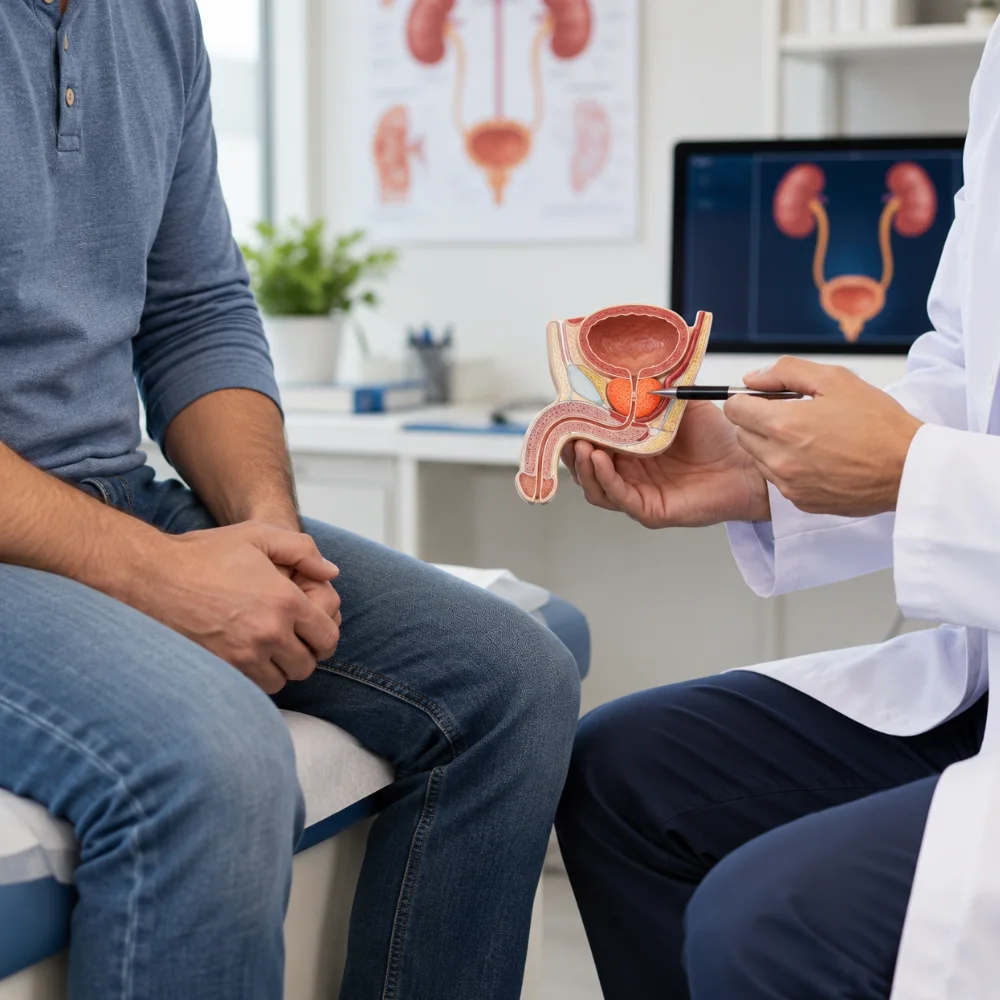
Sudden inability to urinate is an emergency and requires immediate medical attention.
Choosing Enlarged Prostate Treatment in Navi Mumbai
The best treatment for an enlarged prostate depends on more than prostate size alone.
A urologist needs to consider your symptoms, bladder function, prostate anatomy, overall health, medications and personal preferences before recommending treatment.
If you are looking for Enlarged Prostate Treatment in Navi Mumbai, an experienced urology team can help determine whether lifestyle management, medication or a procedural treatment is most appropriate for your condition.
The goal is not simply to treat the prostate enlargement itself, but to improve urinary function, protect bladder and kidney health and improve your quality of life.
Frequently Asked Questions
Some medicines can gradually reduce prostate volume in appropriate men, particularly certain 5-alpha-reductase inhibitors. However, an enlarged prostate does not always shrink enough to eliminate obstruction, and some men may eventually need a procedure.
Some men take BPH medicines for many years. The treatment should be reviewed periodically to make sure it remains effective and that side effects or complications have not developed.
No. BPH is a benign condition and does not automatically cause serious problems. However, significant obstruction can sometimes lead to urinary retention, infections, bladder stones or kidney-related complications.
Yes, lifestyle and behavioural changes can help some men manage urinary symptoms, particularly when symptoms are mild. They may be used alone or alongside medication.
Surgery may be considered when symptoms remain troublesome despite appropriate treatment or when complications such as recurrent urinary retention, infections, bladder stones or kidney-related obstruction occur.
Laser procedures are established treatment options for selected men with BPH. The appropriate technique depends on factors such as prostate size, anatomy, symptoms and the surgeon's expertise.
Conclusion
An enlarged prostate does not automatically mean that you need surgery. Many men with mild or moderate symptoms can be managed with lifestyle changes, monitoring and medicines.
However, treatment should be based on a proper evaluation. If symptoms are progressing, medications are not working or complications such as urinary retention or recurrent infections develop, a procedure may provide better and more lasting relief.
If you are experiencing urinary symptoms or have been diagnosed with BPH, book an appointment with the experienced urology team at MITR Urology Associates to discuss your options for Enlarged Prostate Treatment in Navi Mumbai and determine the most appropriate approach for your condition.
Consult a Urology Specialist
Don't ignore difficulty in passing urine. Book an appointment with the experienced urology and andrology team at MITR Urology Associates to receive prompt, comprehensive diagnosis and advanced personalized care.
Take Charge of Your Health Today
Book a Consultation with a SpecialistCopyright © All Rights Reserved, By MITR Urology Associates