Welcome to MITR Hospital
Enlarged Prostate (BPH): Early Signs Every Man Should Know
As men age, changes in prostate health become increasingly common. One of the most frequently diagnosed prostate conditions is Benign Prostatic Hyperplasia (BPH), also known as an enlarged prostate. Although BPH is not cancerous, it can significantly affect a man's quality of life by causing troublesome urinary symptoms and increasing the risk of complications if left untreated.
Many men mistakenly believe that frequent urination or a weak urine stream is simply a normal part of aging. While prostate enlargement becomes more common with age, these symptoms should never be ignored. Early diagnosis and timely prostate enlargement treatment can help prevent complications and improve daily comfort.
This guide explains the early signs of an enlarged prostate, its causes, available treatments, and when to seek medical attention.
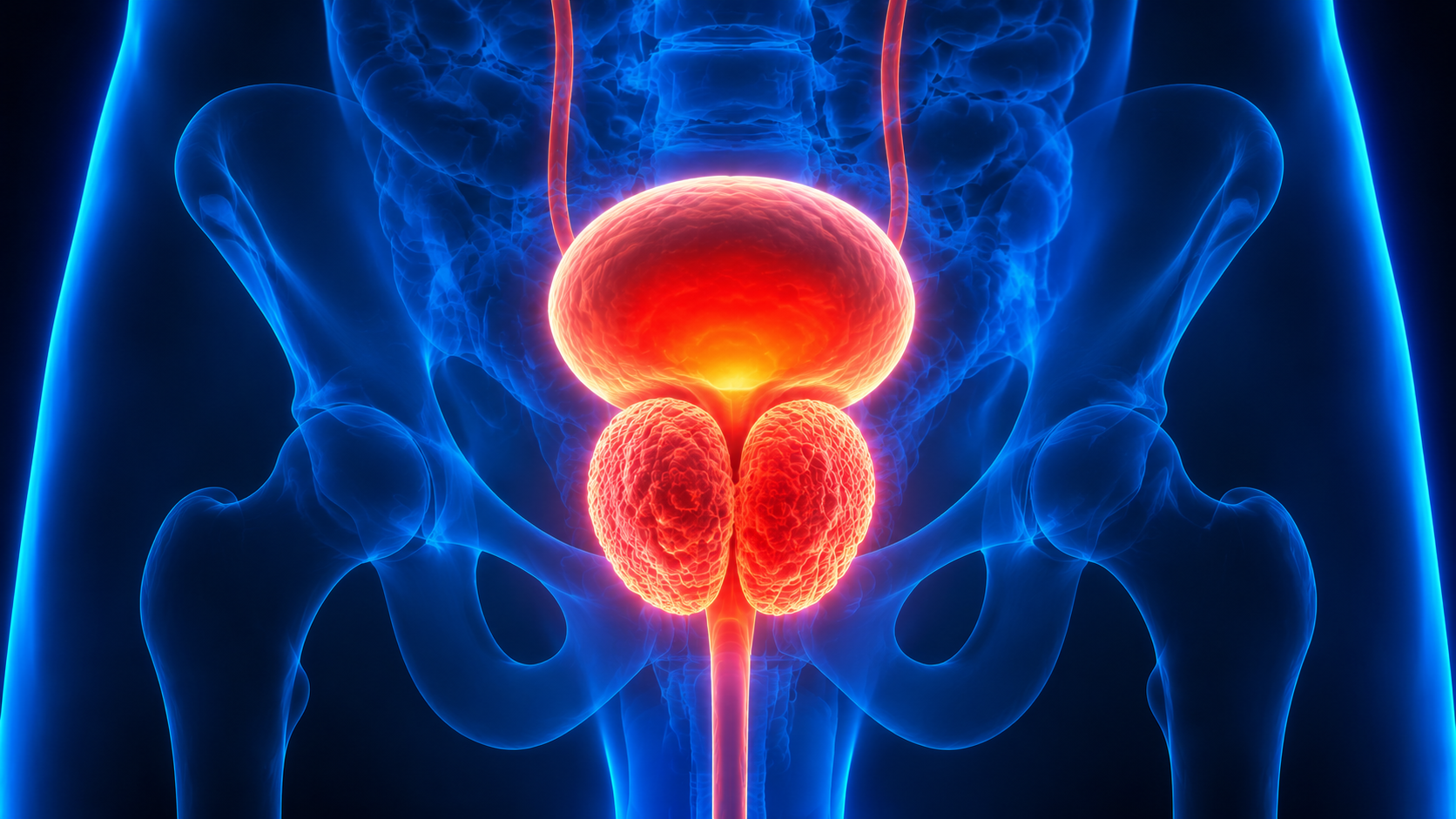
What Is an Enlarged Prostate (BPH)?
The prostate is a small gland located below the bladder and surrounding the urethra, the tube that carries urine out of the body. Its primary function is to produce fluid that nourishes and transports sperm.
As men get older, the prostate gland often increases in size. This non-cancerous enlargement is called Benign Prostatic Hyperplasia (BPH).
When the prostate enlarges, it can compress the urethra and interfere with the normal flow of urine, leading to various urinary symptoms.
BPH is one of the most common urological conditions affecting men over the age of 50.
How Common Is Prostate Enlargement?
Prostate growth is a standard biological development that becomes highly prevalent as men grow older. Studies suggest that:
- Many men begin experiencing prostate growth after age 40.
- Approximately half of men over 50 may have symptoms of BPH.
- The prevalence continues to increase in men aged 60 and above.
While not every man develops symptoms, regular prostate health evaluations become increasingly important with age.
What Causes an Enlarged Prostate?
The exact cause of BPH is not fully understood, but several factors are believed to contribute:
Age-Related Hormonal Changes
Changes in testosterone and other hormone levels over time may influence prostate cell growth as men age.
Family History
Men with close relatives who have experienced prostate enlargement may have a higher genetic risk.
Obesity
Excess body weight has been linked to increased prostate growth and a higher rate of urinary symptoms.
Lifestyle Factors
A lack of physical activity and poor dietary habits may contribute to worsening BPH symptoms.
Early Signs of Enlarged Prostate Every Man Should Know
Recognizing symptoms early can help prevent complications and allow for more effective treatment. The early signs include:
Frequent Urination
One of the earliest warning signs is the need to urinate more often than usual, causing increased daytime urination and bathroom visits that disrupt daily routines. This occurs because the bladder becomes more sensitive and may not empty completely.
Waking Up Frequently at Night to Urinate
Waking up multiple times during the night to urinate is particularly common in men with BPH. This interrupts sleep cycles, leaving you feeling tired and fatigued during the day. Persistent nighttime urination should not be ignored.
Weak Urine Stream
An enlarged prostate can narrow the urethra, making it difficult for urine to flow freely. This results in reduced urine pressure, slow urinary flow, and difficulty maintaining a steady stream. This is one of the hallmark symptoms of BPH.
Difficulty Starting Urination
Many men notice that urination does not begin immediately. They may experience hesitation before urine starts flowing, straining to initiate urination, and longer bathroom visits. This symptom worsens as the prostate enlarges.
Feeling That the Bladder Is Not Completely Empty
After urinating, some men feel as though urine remains in the bladder. This sensation can result in repeated trips to the bathroom, ongoing discomfort, and an increased risk of urinary tract infections.
Sudden Urge to Urinate
An enlarged prostate can irritate the bladder, leading to strong urgency, difficulty delaying urination, and fear of being away from a restroom. In some cases, urgency may lead to accidental urine leakage.
Dribbling After Urination
Many men notice urine leakage or dribbling immediately after finishing urination. Although often considered a minor symptom initially, it can become increasingly bothersome over time.
Symptoms That Require Immediate Medical Attention
While BPH usually develops gradually, certain symptoms require prompt evaluation. Seek medical attention if you experience:
Urgent Symptoms
-
Inability to urinate (acute retention)
-
Blood in urine (hematuria)
-
Severe pelvic or lower abdominal discomfort
Warning Signs
-
Recurrent urinary tract infections
-
Painful or burning urination
-
Sudden worsening of urinary symptoms
Complications of Untreated Enlarged Prostate
Ignoring BPH symptoms can lead to several complications.
Urinary Retention
Severe prostate enlargement can completely block urine flow, making urination impossible. This condition is a medical emergency that requires immediate treatment.
Bladder Damage
Chronic bladder strain can weaken bladder muscles and reduce bladder function.
Recurrent Urinary Tract Infections
Incomplete bladder emptying increases the risk of bacterial growth and infection
Bladder Stones
Residual urine can contribute to stone formation inside the bladder.
Kidney Damage
In severe cases, long-standing urinary obstruction can affect kidney function. Early prostate enlargement treatment helps reduce these risks.
How Is Enlarged Prostate Diagnosed?
A urologist may recommend
Medical History Review
Assessment of urinary symptoms, overall health.
Physical Examination
Including a digital rectal examination (DRE) when appropriate
Urine Tests
To rule out infection or other urinary conditions.
Blood Tests
Including PSA (Prostate-Specific Antigen) testing if necessary.
Ultrasound
To evaluate prostate size and bladder function.
Uroflowmetry
A test that measures urine flow rate. Accurate diagnosis helps determine the most appropriate treatment plan.
Treatment Options for Enlarged Prostate
The best treatment depends on symptom severity, prostate size, age, and overall health.
Lifestyle Modifications
Mild cases may improve with reducing caffeine and alcohol intake, limiting evening fluid consumption, maintaining a healthy weight, and staying physically active.
Medications
Several classes of drugs help relax prostate muscles (alpha-blockers) or slow prostate growth (5-alpha reductase inhibitors). Many men achieve significant symptom relief with medical management.
Minimally Invasive Procedures
When medications are not effective, minimally invasive treatments (e.g. Urolift, Rezum) offer shorter recovery, reduced discomfort, and effective symptom relief.
Surgical Treatment
For moderate to severe BPH, surgery provides long-term relief:
• TURP (Transurethral Resection of the Prostate): A widely performed procedure that removes excess prostate tissue via the urethra to restore urine flow.
• Laser Prostate Surgery: Advanced laser technology (such as HoLEP) that can remove or vaporize enlarged tissue with less bleeding, fewer complications, and faster recovery.
Patients often ask about prostate operation cost in Mumbai when considering surgical treatment. Costs can vary depending on factors such as the procedure performed, hospital facilities, surgeon expertise, technology used, and the patient's medical condition. A consultation with a urologist is the best way to receive an accurate treatment estimate.
Can Enlarged Prostate Be Prevented?
While prostate enlargement cannot always be prevented, healthy lifestyle choices may support better prostate health:
- Maintaining a healthy weight.
- Staying physically active with regular exercise.
- Following a balanced diet rich in fruits, vegetables, and healthy fats.
- Managing systemic conditions like diabetes and blood pressure.
- Attending regular health check-ups for early monitoring.
When Should You See a Urologist?
You should consult a urologist if you experience any of the following: frequent urination, weak urine stream, difficulty starting urination, waking up multiple times at night to urinate, incomplete bladder emptying, or sudden urinary urgency. Early evaluation allows for timely prostate enlargement treatment and can help avoid complications.
Why Timely Treatment Matters
Many men delay seeking medical help because they assume urinary symptoms are a normal part of aging. However, untreated prostate enlargement can progressively worsen and affect daily life, sleep quality, work performance, and overall well-being. Modern treatment options provide excellent outcomes, and many procedures are now minimally invasive with shorter recovery periods than ever before.
Conclusion
Benign Prostatic Hyperplasia (BPH) is a common condition that affects millions of men as they age. Symptoms such as frequent urination, weak urine stream, difficulty starting urination, and waking up multiple times at night should not be ignored.
Early diagnosis and appropriate prostate enlargement treatment can significantly improve quality of life and prevent long-term complications. Whether symptoms are mild or severe, consulting a urologist can help determine the best treatment approach and ensure optimal prostate health.
Consult the urology team at MITR Urology Associates for expert prostate health evaluation and advanced minimally invasive treatment options.
Copyright © All Rights Reserved, By MITR Urology Associates