Welcome to MITR Hospital
Can an Enlarged Prostate Affect Kidney Function?
An enlarged prostate, medically known as Benign Prostatic Hyperplasia (BPH), is a common condition in older men. While mild prostate enlargement may cause only bothersome urinary symptoms, more significant obstruction can interfere with the normal flow of urine.
In some cases, prolonged or severe urinary obstruction can affect the bladder and eventually place pressure on the kidneys. This is why persistent urinary symptoms should not simply be considered a normal part of ageing.
If you are experiencing difficulty urinating or other symptoms of BPH, timely evaluation can help prevent complications. For patients looking for Enlarged Prostate treatment in Navi Mumbai, a urological assessment can determine the severity of the condition and the most appropriate treatment.
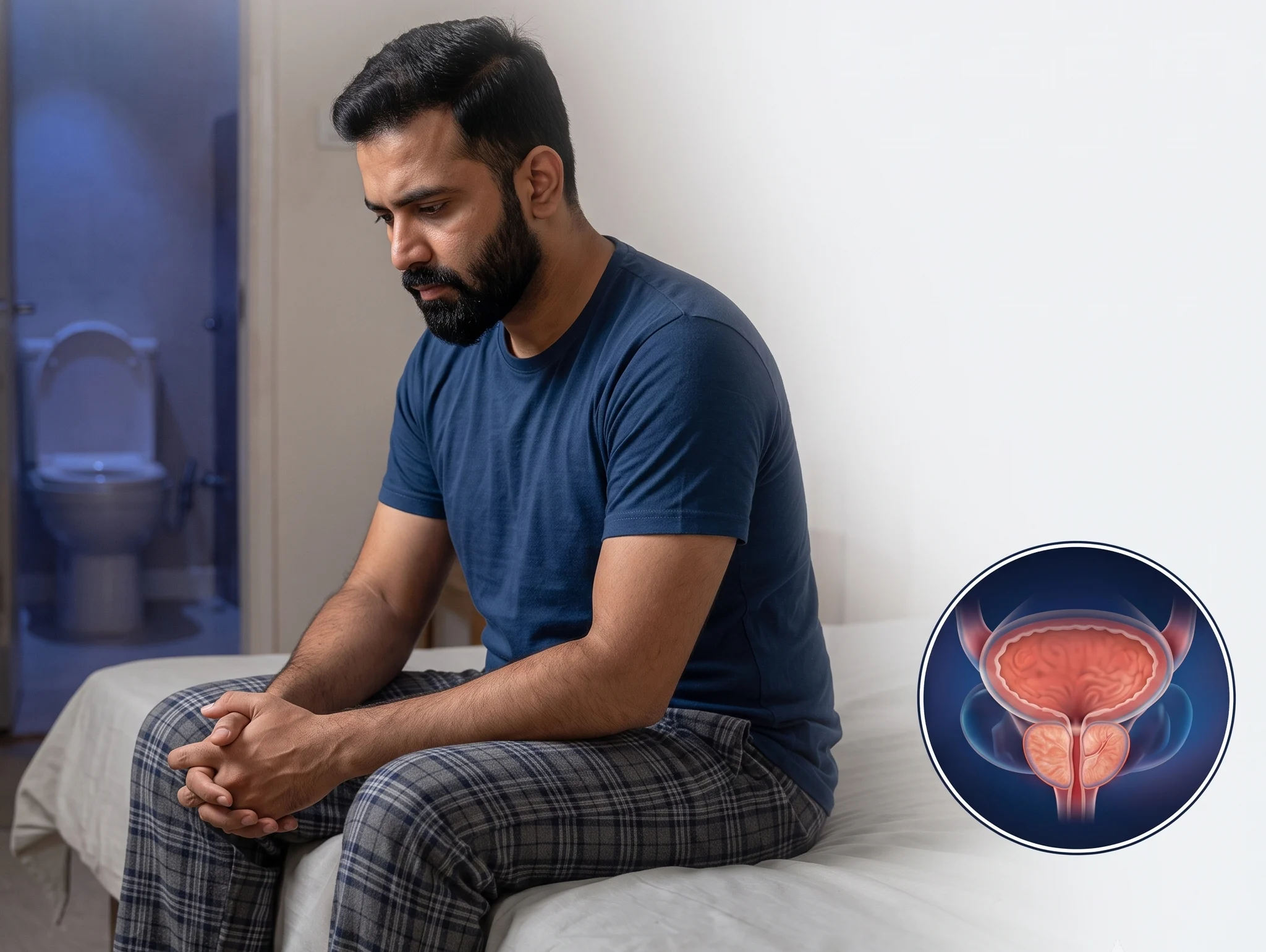
What Is an Enlarged Prostate?
The prostate is a gland located just below the bladder. The urethra, which carries urine out of the body, passes through the prostate.
As men age, the prostate may gradually increase in size. When it becomes large enough to press against the urethra, it can restrict urine flow.
This condition is called Benign Prostatic Hyperplasia, or BPH.
Importantly, BPH is not prostate cancer, and having BPH does not mean that a man has cancer.
How Can an Enlarged Prostate Affect Kidney Function?
The connection between BPH and kidney function usually involves urinary obstruction.
When the enlarged prostate restricts the urethra, the bladder has to work harder to push urine out. Over time, some urine may remain in the bladder instead of being completely emptied.
If the obstruction becomes significant or persists for a long time, urine can back up through the urinary tract toward the kidneys. This pressure can potentially damage kidney function.
However, not every man with an enlarged prostate will develop kidney problems. The risk is greater when BPH causes significant obstruction, chronic urinary retention, recurrent infections, or other complications.
What Are the Signs of an Enlarged Prostate?
BPH can cause a range of lower urinary tract symptoms.
Common signs include:
- Weak urine stream
- Difficulty starting urination
- Frequent urination
- Urgent need to urinate
- Waking up frequently at night
- Stopping and starting while urinating
- Dribbling after urination
- Feeling that the bladder has not completely emptied
These symptoms occur because the enlarged prostate can obstruct urine flow.

What Happens If BPH Is Left Untreated?
Not every case of BPH requires immediate surgery. However, significant untreated obstruction can result in complications.
1. Urinary Retention
In some men, the prostate can obstruct urine flow to the point where they are unable to empty the bladder properly.
Acute urinary retention means suddenly being unable to urinate despite having a full bladder and requires urgent medical treatment.
2. Chronic Urinary Retention
Some men develop chronic retention gradually and may not realize that they are consistently leaving urine behind after urination.
Over time, retained urine can contribute to bladder and kidney complications.
3. Bladder Damage
When the bladder has to work against obstruction for a prolonged period, its muscles may become stretched or weakened.
This can make it increasingly difficult for the bladder to empty completely.
4. Recurrent Urinary Tract Infections
When urine remains in the bladder, bacteria may have more opportunity to multiply.
As a result, men with significant urinary retention may experience recurrent urinary tract infections.
5. Bladder Stones
Incomplete bladder emptying can contribute to bladder stone formation.
Bladder stones may cause:
- Pain
- Irritation
- Blood in the urine
- Difficulty passing urine
6. Kidney Swelling and Damage
In severe cases, prolonged urinary obstruction can cause urine to back up toward the kidneys. This can lead to kidney swelling and potentially impair kidney function.
This is one of the most important reasons why severe BPH symptoms should not be ignored.
Can BPH Cause Kidney Failure?
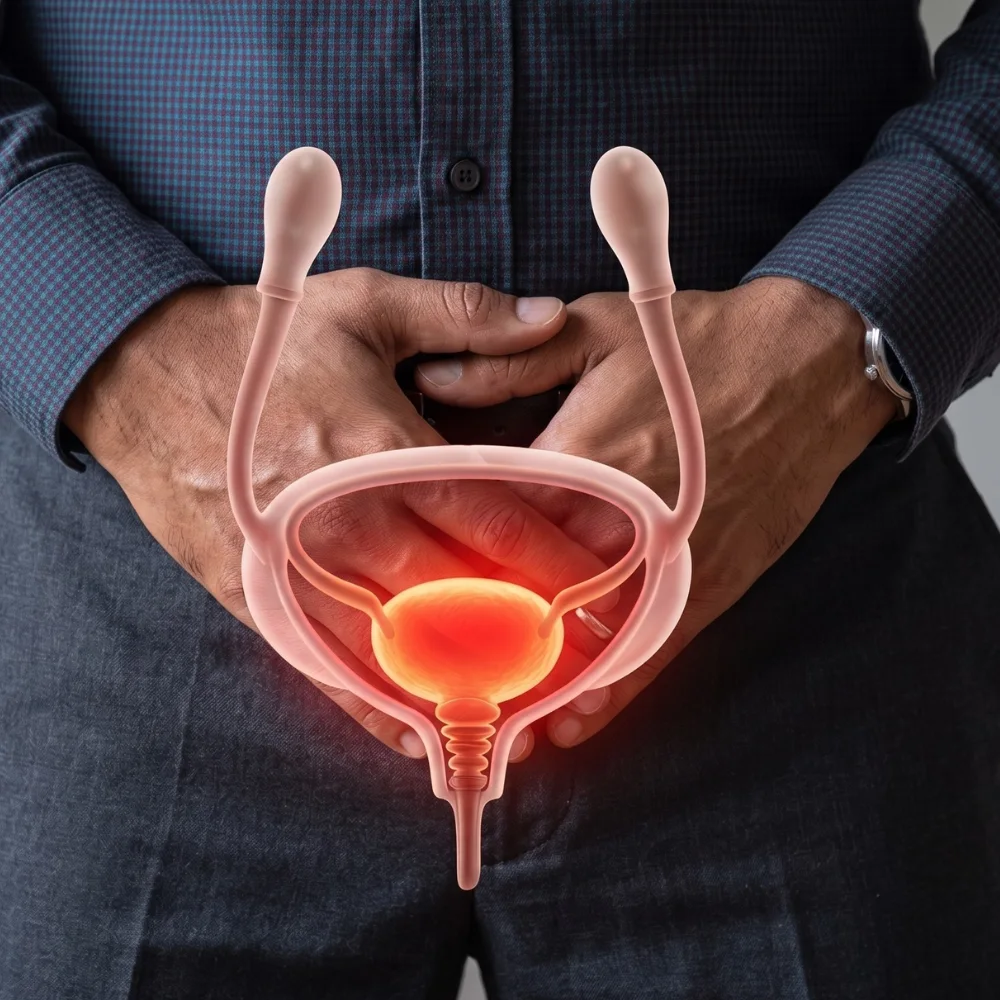
Severe, prolonged urinary obstruction associated with BPH can potentially cause significant kidney damage and, in serious cases, contribute to kidney failure.
However, this is not an inevitable outcome of having an enlarged prostate. Many men with BPH never develop kidney complications, particularly when the condition is identified and appropriately managed.
The risk becomes more concerning when there is:
- Significant urinary obstruction
- Chronic urinary retention
- Recurrent urinary infections
- Kidney swelling
- Abnormal kidney function tests
- Very low or absent urine output
Early assessment can help identify these problems before they cause permanent damage.
How Do Doctors Check Whether BPH Is Affecting the Kidneys?
A urologist may recommend several investigations depending on your symptoms and medical history.
Urine Test
A urine test can identify infection, blood, or other abnormalities.
Blood Tests
Blood tests can help assess kidney function and may include measurements such as serum creatinine.
Ultrasound
An ultrasound can evaluate:
- Prostate size
- Bladder
- Kidneys
- Urine remaining in the bladder after urination
Uroflowmetry
This test measures the speed and pattern of urine flow and can help identify urinary obstruction.
PSA Test
A PSA blood test may be recommended when appropriate to evaluate prostate health. An elevated PSA does not automatically mean prostate cancer and needs to be interpreted in context.
What Is the Treatment for an Enlarged Prostate?
Treatment depends on the severity of symptoms, prostate size, complications, overall health, and individual preferences.
Lifestyle Changes
For mild symptoms, your doctor may recommend measures such as:
- Reducing fluids before bedtime
- Limiting caffeine and alcohol
- Avoiding prolonged urine holding
- Maintaining a healthy weight
- Staying physically active
These measures may help manage symptoms but do not replace medical treatment when significant obstruction is present.
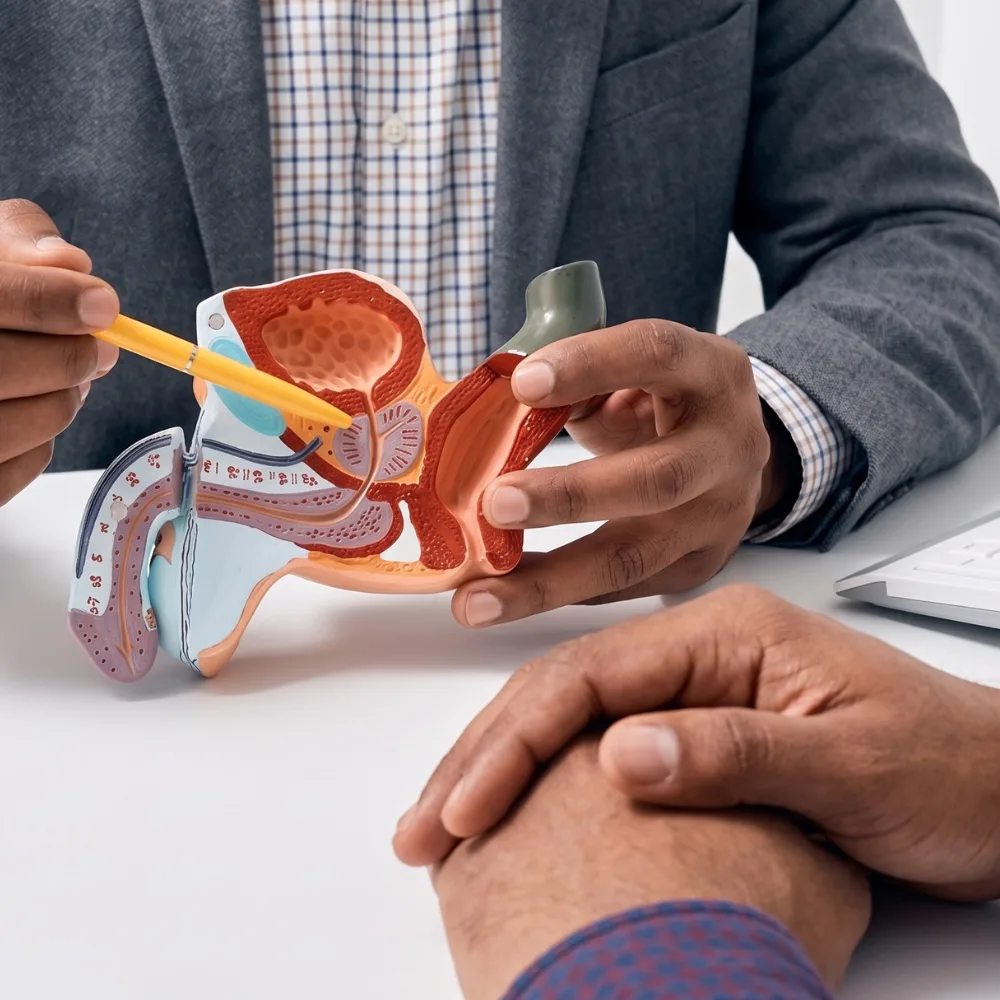
Medications
Medications can help improve urinary flow or reduce the size of the prostate.
Common categories include:
- Alpha-blockers
- 5-alpha-reductase inhibitors
- Combination therapy
The appropriate medication depends on the patient's symptoms and prostate characteristics.
When Is Surgery Recommended?
Surgery or another prostate procedure may be considered when:
- Medication does not provide sufficient relief
- Urinary retention occurs
- Kidney problems develop
- Recurrent UTIs occur
- Bladder stones develop
- Blood in the urine persists
- Urinary obstruction significantly affects quality of life
Treatment options may include TURP, laser prostate surgery, and other minimally invasive procedures, depending on the patient's condition.
Can Treating BPH Protect Kidney Function?
Treating significant urinary obstruction can help restore better urine flow and reduce the risk of complications.
The appropriate treatment may relieve pressure on the bladder and urinary tract and help prevent further deterioration related to obstruction.
However, if kidney function has already been affected, the outcome depends on the severity and duration of the problem. This is why early diagnosis is important.
When Should You See a Urologist?
You should consider seeing a urologist if you experience:
- Increasing difficulty urinating
- Weak or interrupted urine stream
- Frequent nighttime urination
- Feeling that your bladder is not empty
- Recurrent urinary infections
- Blood in your urine
- Difficulty passing urine
- Reduced urine output
- Previously diagnosed BPH with worsening symptoms
If you suddenly cannot urinate at all, seek urgent medical attention. Acute urinary retention can cause severe complications and requires prompt treatment.
Enlarged Prostate Treatment in Navi Mumbai
If BPH symptoms are affecting your daily life, an experienced urologist can evaluate whether the prostate is causing significant urinary obstruction and whether kidney function is being affected.
For those seeking Enlarged Prostate treatment in Navi Mumbai, treatment may range from lifestyle modifications and medications to minimally invasive procedures or surgery, depending on the severity of the condition.
The goal is not simply to reduce urinary symptoms but also to prevent complications and protect long-term urinary and kidney health.
Why Choose MITR Urology Associates?
MITR Urology Associates provides comprehensive evaluation and treatment for enlarged prostate and related urinary problems.
The evaluation may include:
- Detailed assessment of urinary symptoms
- Prostate evaluation
- Kidney function assessment
- Ultrasound and other imaging when required
- Medical management
- TURP and minimally invasive prostate procedures
- Laser prostate surgery
- Long-term follow-up
Treatment is selected according to the patient's prostate size, symptoms, urinary obstruction, kidney function, and overall health.
Conclusion
An enlarged prostate does not automatically mean that kidney function will be affected. However, when BPH causes significant or prolonged urinary obstruction, urine can remain trapped in the bladder and may back up toward the kidneys. This can potentially lead to kidney swelling and impaired kidney function.
Persistent urinary symptoms should therefore not be dismissed as a normal part of ageing. If you are experiencing difficulty urinating, frequent nighttime urination, recurrent UTIs, or incomplete bladder emptying, book an appointment with the experienced urology team at MITR Urology Associates for a comprehensive evaluation and personalized Enlarged Prostate treatment in Navi Mumbai.
Take Charge of Your Health Today
Book a Consultation with a SpecialistCopyright © All Rights Reserved, By MITR Urology Associates