Welcome to MITR Hospital
Bladder Cancer Recurrence: Why Follow-Up Is So Important
Being diagnosed with bladder cancer and completing treatment can bring a great sense of relief. However, finishing treatment does not always mean that medical care is over. Bladder cancer can come back, which is why regular follow-up appointments are an important part of long-term care.
Recurrence means that cancer has returned after treatment. It may develop in the bladder again or, depending on the type and stage of the original cancer, appear in other parts of the urinary tract or body.
For patients looking for care for Bladder Cancer in Navi Mumbai, understanding why follow-up matters can help them stay proactive about their health and recognise changes that need medical attention.
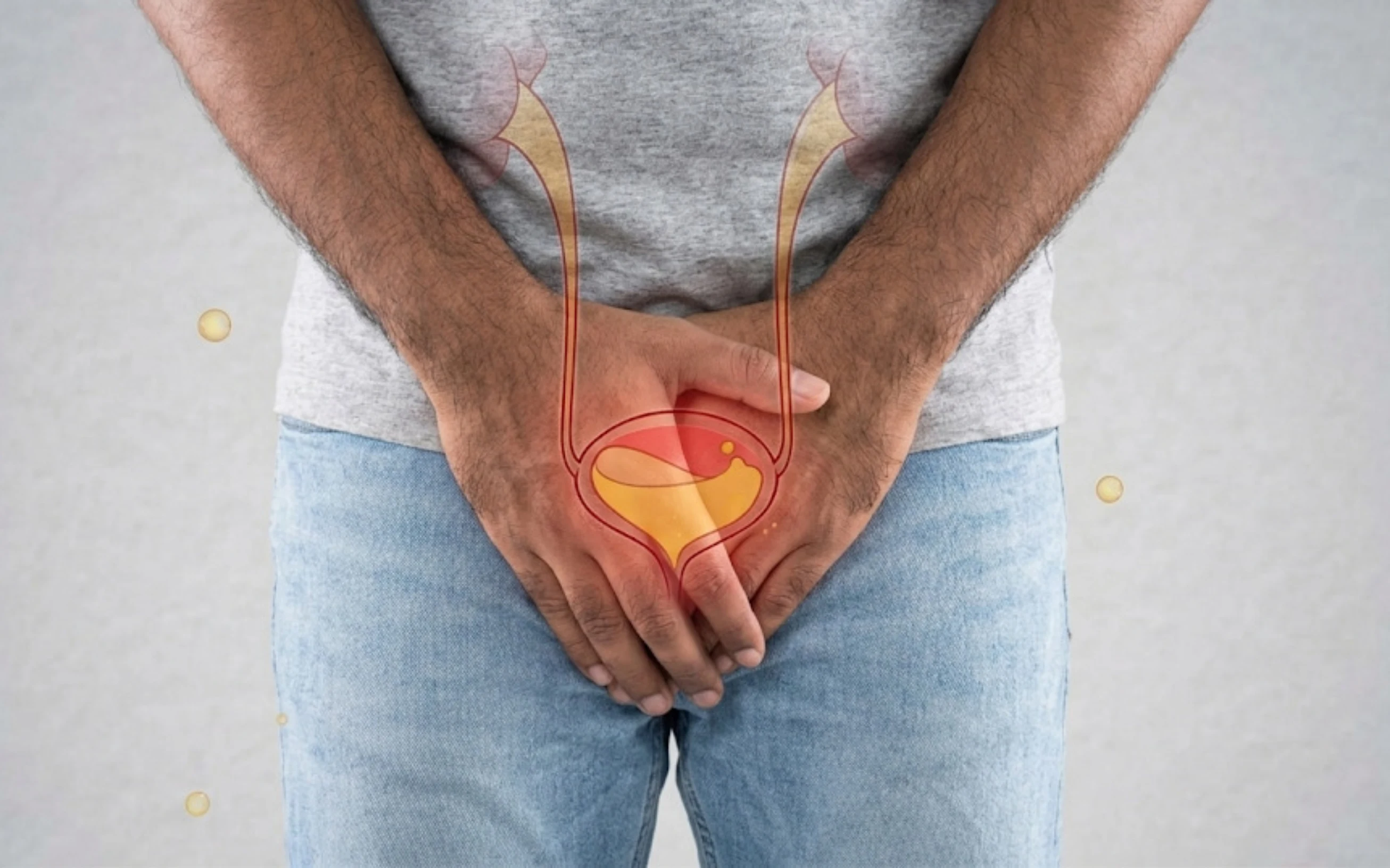
What Does Bladder Cancer Recurrence Mean?
Bladder cancer recurrence occurs when cancer returns after it has previously been treated.
Recurrence does not necessarily mean that the original treatment failed. Bladder cancer has a tendency to return in some patients, even after the visible tumour has been removed.
Recurrence can be:
- Local recurrence: Cancer returns in the bladder or nearby urinary tissues.
- Regional recurrence: Cancer returns in nearby lymph nodes or tissues.
- Distant recurrence: Cancer spreads to organs or tissues farther away from the original site.
The likelihood and type of recurrence depend on several factors, including the tumour's stage, grade, number and characteristics.
Why Is Bladder Cancer More Likely to Recur?
Bladder cancer can behave differently from many other cancers. Some tumours, particularly non-muscle-invasive bladder cancers, have a tendency to recur over time.
A patient may develop another tumour even after the initial tumour has been completely removed.
Factors that can influence recurrence risk include:
- Tumour size
- Number of tumours
- Tumour grade
- Stage of cancer
- Previous history of bladder cancer
- Response to previous treatment
- Certain characteristics of the tumour
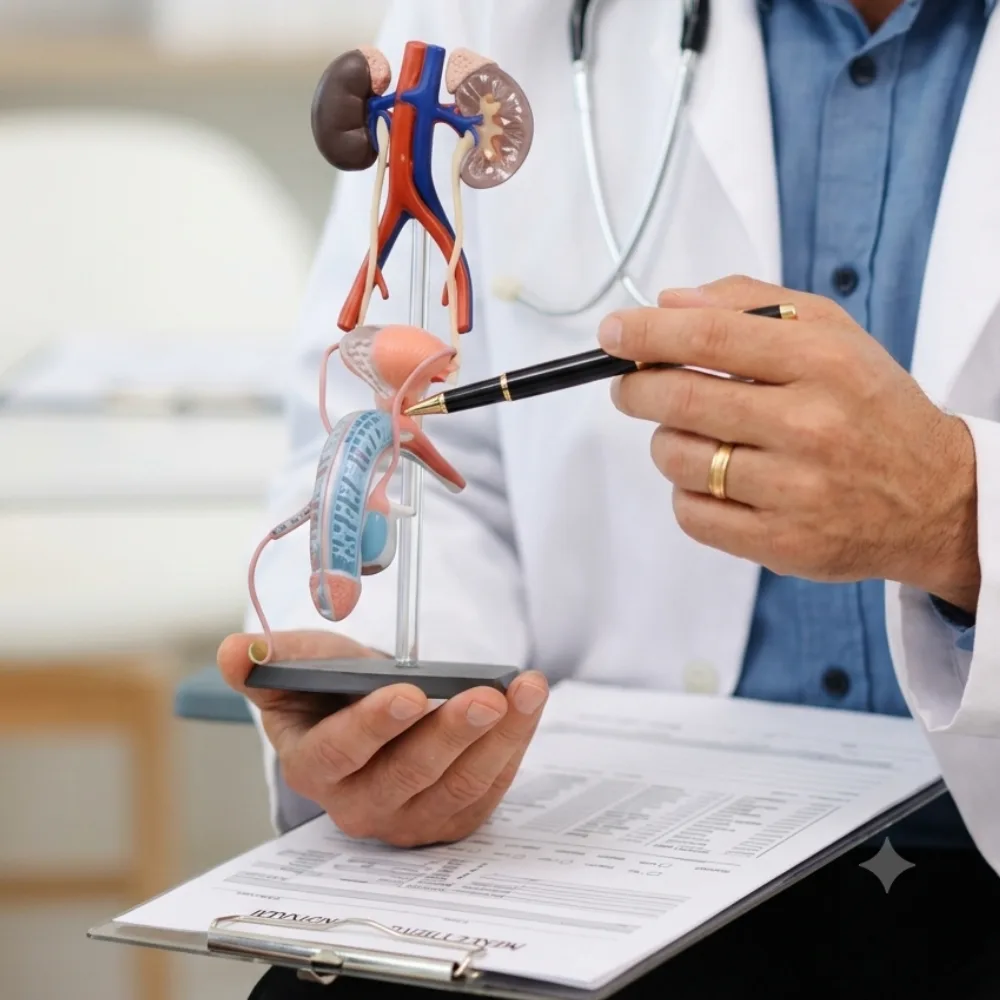
This is why follow-up schedules are personalised rather than being identical for every patient.
Why Is Follow-Up So Important After Treatment?
The main purpose of follow-up is to detect recurrence or progression as early as possible.
A patient may feel completely well even when a small recurrent tumour is present. Waiting until symptoms become noticeable can therefore delay diagnosis.
Regular follow-up allows the urologist to:
- Look for new bladder tumours
- Monitor for recurrence
- Assess the response to previous treatment
- Check for progression when relevant
- Monitor urinary symptoms
- Decide whether additional treatment is needed
Early detection can make it possible to treat some recurrences before they become more extensive.
What Happens During Bladder Cancer Follow-Up?
Follow-up depends on the type and stage of bladder cancer and the treatment already received.
Your urologist may recommend one or more of the following:
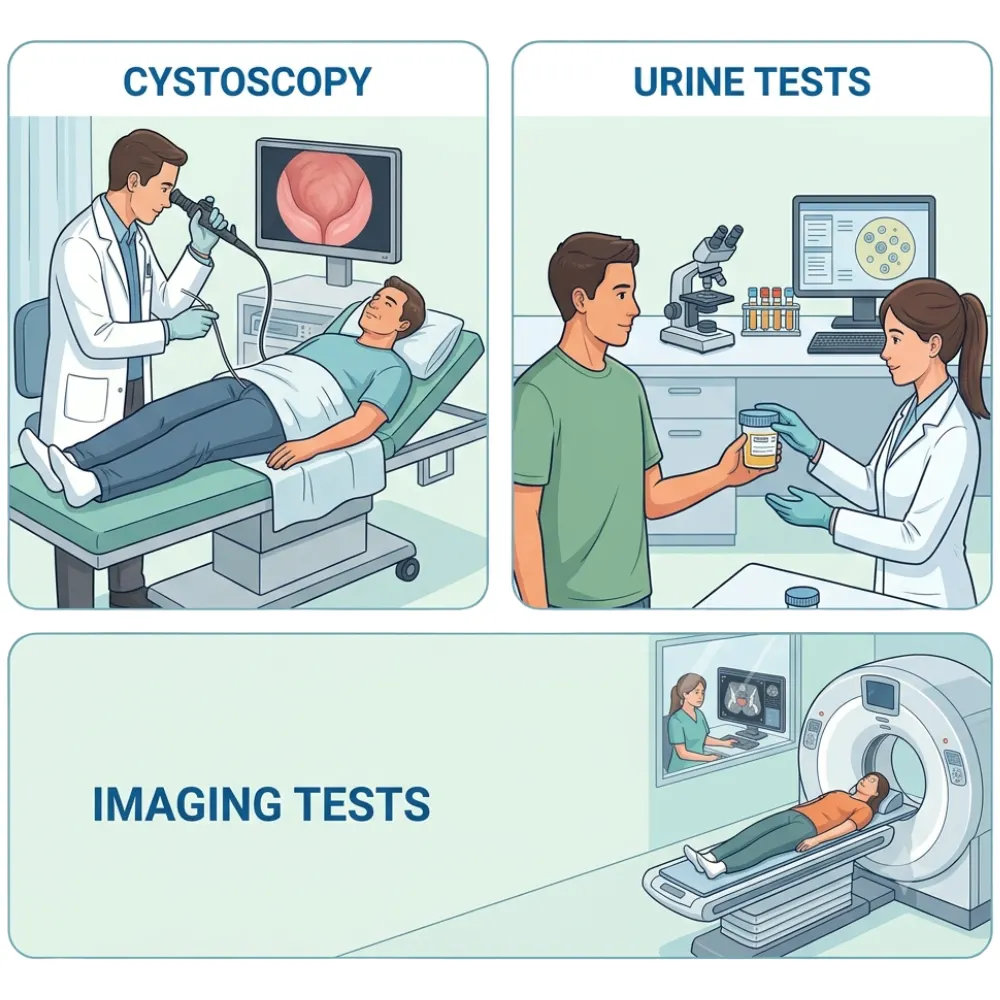
Cystoscopy
Cystoscopy is one of the most important tools used to monitor the bladder.
A thin instrument with a camera is passed through the urethra to allow the doctor to directly examine the inside of the bladder.
It can help identify abnormal areas or new growths that may require further evaluation.
Urine Tests
Urine may be examined for signs of infection, blood or abnormal cells.
In selected patients, urine cytology or other specialised urine-based tests may be recommended.
Imaging Tests
Imaging may be recommended depending on the patient's cancer characteristics and risk of recurrence or spread.
Tests such as ultrasound, CT or MRI may be considered when clinically appropriate.
Physical and Clinical Assessment
Your doctor may also review:
- Changes in urination
- Blood in the urine
- Pain or discomfort
- Previous treatment
- Medication
- Overall health
- Kidney and urinary tract function
How Often Should You Have Follow-Up?
There is no single follow-up schedule that applies to everyone.
Patients with higher-risk bladder cancer generally require closer and more intensive surveillance than those with lower-risk disease.
Your urologist will determine the appropriate schedule based on factors such as:
- Cancer stage
- Cancer grade
- Number of previous tumours
- Previous recurrences
- Treatment received
- Overall risk profile
It is important not to skip appointments simply because you feel well.
Symptoms You Should Not Ignore
Even when you have regular follow-ups, you should contact your doctor if you notice new or persistent urinary symptoms.
Potential warning signs include:
Blood in the Urine
Blood in the urine, whether visible or detected during testing, should be evaluated. It does not always indicate recurrence, but it should not be ignored in someone with a history of bladder cancer.
Changes in Urination
New or worsening symptoms such as:
- Frequent urination
- Urgency
- Burning while urinating
- Difficulty passing urine
- A change in urinary flow
should be discussed with your doctor.

Pelvic or Lower Abdominal Discomfort
Persistent discomfort around the lower abdomen or pelvis may require evaluation, particularly when accompanied by urinary changes.
Importantly, these symptoms can have causes other than bladder cancer recurrence. Testing is needed to determine the underlying reason.
Can Bladder Cancer Recurrence Be Prevented?
There is no guaranteed way to prevent bladder cancer from returning. However, following the recommended treatment and surveillance plan can help doctors identify and manage recurrence early.
Patients can also support their overall health by:
- Avoiding tobacco products
- Following their treatment plan carefully
- Attending every recommended follow-up appointment
- Reporting new urinary symptoms promptly
- Maintaining healthy lifestyle habits
- Taking prescribed medications as directed
Smoking is particularly important because tobacco exposure is a recognised risk factor for bladder cancer and can also contribute to future cancer risk.
What If Bladder Cancer Comes Back?
Recurrence does not automatically mean that treatment options are exhausted.
Treatment depends on where the cancer has returned, its stage and grade, previous treatments and the patient's overall health.
Depending on the situation, treatment may include:
- Removal of a recurrent tumour through the urinary tract
- Intravesical therapy
- Additional bladder-directed treatment
- Systemic medications
- Immunotherapy in selected cases
- Radiation therapy in specific situations
- More extensive surgery when necessary
The treatment plan is individualised after appropriate evaluation.
Does Recurrence Mean the Cancer Has Spread?
Not necessarily.
A recurrent tumour may be limited to the bladder and may not have spread elsewhere. Recurrence and metastasis are different concepts.
This distinction is important because the treatment and outlook can vary considerably depending on whether the cancer is confined to the bladder or has spread beyond it.
Your urologist may recommend additional tests if there is concern about more extensive disease.
Why Long-Term Monitoring Matters
Bladder cancer surveillance is not simply about checking for cancer once after treatment. It is an ongoing process designed around the patient's individual risk.
Even after a patient has had several normal follow-up examinations, continuing the recommended surveillance schedule can remain important.
Think of follow-up as a partnership between you and your healthcare team. Regular monitoring gives your doctor opportunities to identify changes early and adjust your treatment plan when necessary.
What Should Patients Ask Their Urologist?
If you have completed treatment for bladder cancer, consider asking:
- What is my risk of recurrence?
- How frequently should I undergo cystoscopy?
- Will I need urine tests or imaging?
- Which symptoms should prompt an earlier appointment?
- What lifestyle changes can support my overall health?
- What should I do if blood appears in my urine?
- How long will I need surveillance?
- What treatment options are available if the cancer returns?

Having a clear follow-up plan can make the process less stressful and help ensure that important appointments are not missed.
The Importance of Choosing the Right Urology Care
Bladder cancer management often involves treatment as well as long-term surveillance. Having an experienced urology team can help ensure that follow-up is tailored to your cancer history and individual needs.
For patients seeking care for Bladder Cancer in Navi Mumbai, timely consultation, appropriate investigations and consistent follow-up can play an important role in managing the condition.
If you have previously been treated for bladder cancer and are due for a follow-up examination—or if you have developed new urinary symptoms—do not wait for symptoms to become severe.
Conclusion
Bladder cancer recurrence is a possibility for some patients, but regular follow-up provides an important opportunity to detect changes early.
Cystoscopy, urine tests, imaging and clinical assessments may all form part of surveillance depending on the individual's cancer risk and previous treatment. Most importantly, patients should continue their recommended follow-up even when they feel completely healthy.
If you have a history of bladder cancer or are concerned about a possible recurrence, book an appointment with the experienced urology team at MITR Urology Associates to discuss your symptoms, follow-up requirements and available treatment options.
Consult a Urology Specialist
Long-term surveillance is essential for managing bladder health. Book an appointment with the experienced urology team at MITR Urology Associates to discuss your symptoms, follow-up requirements and available treatment options.
Take Charge of Your Health Today
Book a Consultation with a SpecialistCopyright © All Rights Reserved, By MITR Urology Associates